Search Destinations

Search results 11-20 of 85

Cockle Creek
Cockle Creek

Cockle Creek

Category:

Tasmania

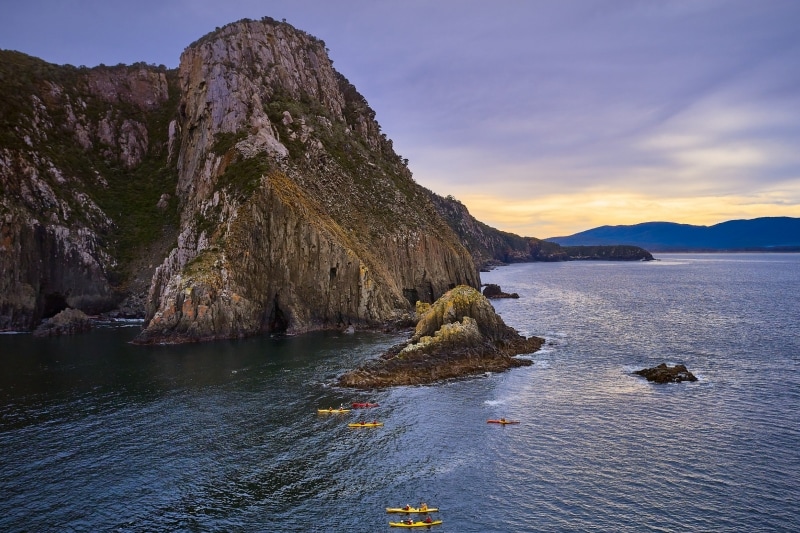
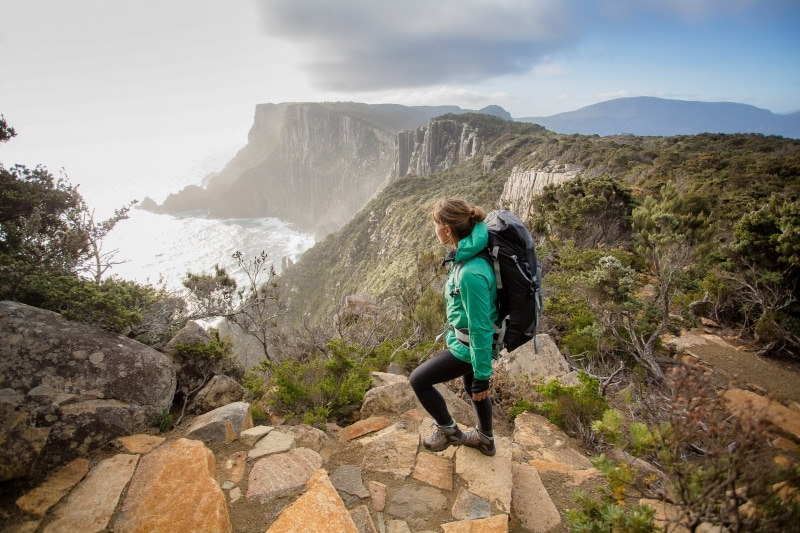
Cockle Creek, on Tasmania's southeast coast, is the most southerly town in Australia. The tiny seaside settlement of a few shacks 90 kilometres south of Geeveston is a quiet corner, ideal for a summer swim, picnic or campsite. It is also the beginning, or the end, of the South Coast Track, one of Tasmania’s great bushwalks.
Mole Creek, Marakoopa Cave

Mole Creek

Category:

Tasmania

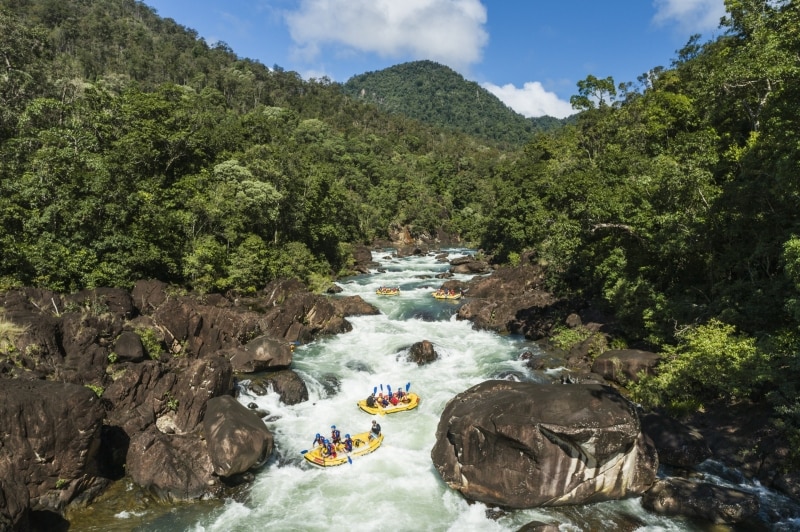
Mole Creek occupies a valley between the Gog Range and the Great Western Tiers in the central north, not far from Tasmania’s highest point, Mount Ossa. This is an area of fascinating limestone caves that have been forming over the past 450 million years and are now protected in Tasmania’s only underground national park. There are more than 300 caves and sinkholes in all, many featuring streams and springs. Public tours are conducted through King Solomons and Marakoopa caves, and each give you a very different experience. King Solomons is noted for its lavish colours and formations, while Marakoopa is a wet cave containing the largest display of glow worms in Australia. For equally spectacular scenery, be adventurous and join a wild cave tours. You will journey through underground streams and squeeze between rocky passages with only a headlamp to illuminate your path – be prepared to get wet. After navigating the caves, you can join a four wheel drive tour of the Mersey valley, visit a leatherwood honey farm, or try white-water rafting on the upper Mersey. There are many pleasant short walks in the area at Liffey Falls and Arm River. You’ll be rewarded by beautiful scenery on longer bushwalks at Lake Rowallan and the Walls of Jerusalem National Park. There’s plenty of wildlife at Mole Creek – including the world’s largest barn owl and native Australian animals at the Trowunna Wildlife Park. Mole Creek is home to little more than 200 people, most of whom earn their living from farming and forestry. It was named after of a small stream that veered underground, like a mole. The area was originally inhabited by Aboriginal people and was explored by Europeans hunting for fur skins in the 1830s. The average maximum temperature for January is 21.5 degrees, while in June it’s 11 degrees. Mole Creek is 72 kilometres (45 miles) west of Launceston. Take the B54 as far as Deloraine and the B12 from there.

Mt Wellington - View from city

Mt Wellington

Category:

Tasmania

Rising 1270 metre (around 4000 feet) above Hobart's harbour and the wide Derwent River, Mt Wellington provides a wilderness experience within 20 minutes of the city and is much loved by locals. The 21 kilometre drive to the summit takes you from temperate rainforest to sub-alpine flora and glacial rock formations, ending in panoramic views of Hobart, Bruny Island, South Arm and the Tasman Peninsula. The interpretation centre at the top protects you from the blustering winds and a viewing platform on the western side of the car park looks out to the southern World Heritage Area beyond. Bushwalking trails suit all fitness levels and barbecue and picnic facilities are provided. Mountain activities also include cycling and abseiling. The Aboriginal name for Mt Wellington is Unghbanyahletta or Poorawetter. In February 1836 Charles Darwin climbed Mt Wellington during a visit on the HMAS Beagle.

Currie - Currie Harbour

Currie

Category:

Tasmania

Currie is on the west coast of King Island, north-east of mainland Tasmania. You are sure to feel its remoteness as you gaze at the Southern Ocean – next stop: Africa. Almost 800 people live in Currie, the commercial centre of the Island. Industries include fishing, farming, and harvesting bull kelp for food and cosmetics. King Island’s 200 kilometres (124 miles) of coastline contain rugged cliffs softened occasionally by white, sandy beaches. More than 60 ships have been wrecked off these unforgiving shores, and a trail now guides you to interpretive plaques all around the island describing the various calamities. Scuba diving on the wrecks themselves is by far the best way to see them. If you walk on a deserted beach you may be lucky enough to find a large, coiled nautilus shell. King Island has popular surfing beaches and sheltered lagoons for swimming. You can visit a 7,000-year-old calcified forest, created when the sand covering a forest finally receded, leaving fascinating limestone features. You can see all kinds of wildlife on the island too – wallabies, echidnas, seals, penguins and wild turkeys. You will receive royal treatment at King Island. Delectably tender beef, mouth-watering crayfish and gourmet dairy foods await you. Lush pastures and clean air contribute to the island’s worldwide recognition for superior quality produce. Currie Harbour was discovered by Captain Archibald Currie in 1797. In 1845 Australia’s worst peacetime maritime disaster occurred when 400 emigrants aboard the Cataraqui perished off the island’s coast. Cape Wickham lighthouse was erected in 1861 to prevent more ships from meeting such a fate. The town grew when scheelite mining began in 1917. Currie has an average maximum of 20.5 degrees Celsius (69 degrees Fahrenheit) in January and 13.5 degrees Celsius (56.5 degrees Fahrenheit) in June. Currie, on King Island, is 80 kilometres (49.5 miles) north-east of mainland Tasmania, and is accessible by plane and cargo vessels.

Coles Bay
Coles Bay

Coles Bay

Category:

Tasmania

The east coast village of Coles Bay sits beneath pink granite mountains at the entrance to Freycinet National Park. With a small permanent population of less than 200 people, the town caters to local and visitor needs. The Coles Bay area is one of our Island’s most popular holiday spots for visitors and locals. It overlooks crystal clear Oyster Bay – ideal for swimming, snorkelling, kayaking, boating and fishing. Prior to European settlement the Great Oyster Bay and Big River aboriginal tribes made the annual trek, in the cooler climate, for seafood and swan eggs. European settlers arrived in the early 1800s, and the area was developed by sealers, whalers, miners and farmers. After Freycinet National Park was declared in 1916 the area became increasingly popular as a holiday destination. Coles Bay is about 45 minutes’ drive from Swansea and around 30 minutes from Bicheno..

Sheffield - Mt Roland

Sheffield

Category:

Tasmania

Concealed in the foothills of majestic Mount Roland is the enterprising town of Sheffield, where history and art merge to create an entire town of murals. Almost 1,000 people live in Sheffield, farming sheep, cattle, deer and emus. You can learn about the history of the Kentish district from the murals themselves, or in local museums, but there are also many galleries and studies to browse in. At the Working Art Space you can talk with local artists as they work. The views from the summit of 1,234 metre Mount Roland are worth the climb. Sheffield is close to an alpaca farm, vineyards, Devil’s Gate Dam and Kimberley’s thermal springs. The beautiful Lake Barrington, created by the Mersey-Forth Hydro Electric Scheme, is an international rowing course and a haven for water sports. When you get to The Promised Land, you’ll find Tasmazia and the Village of Lower Crackpot, which has its own postcode. With seven mazes, Tasmazia is the largest complex of its kind in the world. It specialises in lavender, honey and pancakes. Sheffield was explored by Nathaniel Kentish in 1842 but its dense forests meant that it was not settled until1859. It was named by Edward Curr, after his homeland in Yorkshire. The town prospered in 1963 with the Power Development Scheme, but declined when the dams were completed. Sheffield is the centre of the Kentish district, and Mount Roland (named by Captain James Rolland in 1823) is a great source of artistic inspiration. Sheffield, 30 kilometres south of Devonport, reaches an average maximum temperature of 21 degrees in January and 11.5 degrees in June. Occasionally Mount Roland receives a dusting of snow – a visual delight.

Taranna - Tasmanian Devil Conservation Park

Taranna

Category:

Tasmania

Taranna is a small sleepy settlement just north of Port Arthur Historic Site on the Tasman Peninsula. The drive takes you south-east of Hobart for about 90 minutes (89 kilometres/55 miles) on the A9 Highway. At Taranna you will find the Tasmanian Devil Park, a cluster of accommodation of various types, and the Federation Chocolate outlet. During the height of the Port Arthur prison, Taranna was the terminus for a human railway which ran between the jetty at Little Norfolk Bay and the prison. It was designed to carry passengers and supplies unloaded at Norfolk Bay and saved the ships the hazardous journey around Cape Raoul. The railway was the first railway in Australia and probably the only one using human horsepower along the seven kilometre line. The weather on the Tasman Peninsula is affected by the winds coming off Frederick Henry Bay, so remember, no matter what time of year you visit; bring a warm jacket and all weather gear.

Zeehan
Zeehan

Zeehan

Category:

Tasmania

Zeehan, once Tasmania’s third largest town, is north of Queenstown on the west coast. Rich in mining history, its economy is focused around tourism and the nearby Renison Bell tin mine. Its population of 900 is 10 times smaller than it was at its peak in the early 20th century. Put yourself in the shoes of early settlers by taking the historic walk around the town. In times gone by, it was a social hub for the entire west coast. The restored Gaiety Theatre, where celebrities such as Dame Nellie Melba once performed, has a capacity of 1,000 and was state of the art when it was built in 1899. The town’s mining heritage is just as rich and fascinating, as you will discover at the West Coast Pioneer Memorial Museum. From Zeehan you can fish for trout in Lake Pieman or crayfish at Granville Harbour. Visit Zeehan’s original port, Trial Harbour, or take in the views from the top of Mount Zeehan. Zeehan was first sighted by Abel Tasman, in 1642, when he saw the mountain peak later named Mount Zeehan by Bass and Flinders, after Tasman’s brig. In 1871 the discovery of tin at Mount Bischoff led to further exploration of the area. Little more than 10 years later, Frank Long discovered silver and lead, sparking the largest mining boom on Tasmania’s west coast. Ultimately, however, the reserves were depleted – the town once known as Silver City ceased mining the precious metal in 1914. Zeehan’s average maximum temperature in summer is 19.5 degrees Celsius (67 degrees Fahrenheit) and 11 degrees Celsius (52 degrees Fahrenheit) in winter. As in many west coast centres, wet weather gear is likely to come in handy here – Zeehan averages 2.5 metres (eight feet) of rain a year. Zeehan is 150 kilometres (93 miles) south-west of Burnie, and 50 kilometres (30 miles) from Strahan.

Campbell Town - The Red Bridge

Campbell Town

Category:

Tasmania

Campbell Town was one of the early coaching stops between Launceston and Hobart and sits on the banks of the Elizabeth River. It was named by Governor Lachlan Macquarie, after his wife’s family, during a visit in 1821. It was, and is, the centre of the sheep-farming region and is a popular stopping point on the journey north and south. It has a population is around 900, and there is an impressive collection of colonial buildings such as The Grange (the local wealthy doctor’s house designed by convict architect James Blackburn in the late 1840s), the Foxhunters Return a lovely example of a 19th century inn built in 1834, St Luke’s Church (1939) and the convict-built Red Bridge (1836). From Campbell Town you can head east past Lake Leake to Freycinet and the east coast. Just opposite St Luke’s look out for the monument to Harold Gatty, a native son of Campbell Town. In 1931, with American Wiley Post, he was the first person to fly around the world. In 1929, Gatty had flown as navigator with Roscoe Turner in a record 19-hour non-stop flight from Los Angeles to New York. He went on to serve, as an Australian citizen, in the U.S. Army Air Corps.

East Coast Escape - Wineglass Bay

East Coast Escape

Category:

Tasmania

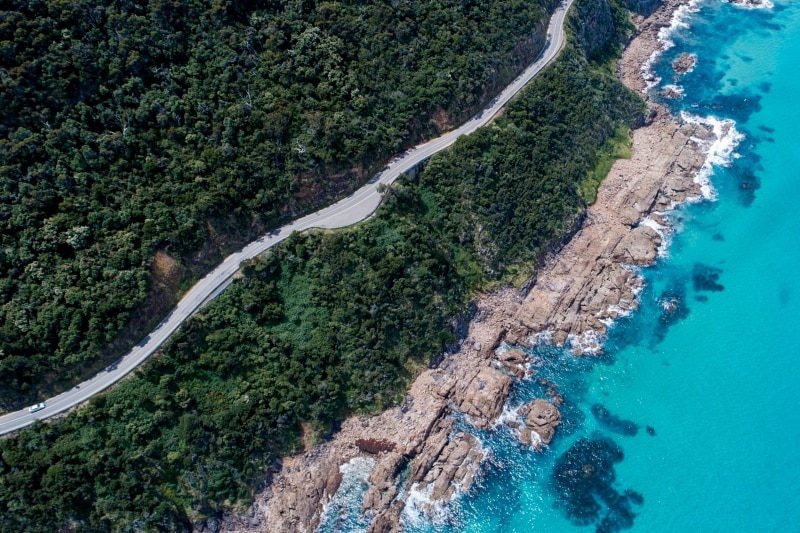
A route that lets you explore fishing villages, penguin rookeries, vineyards, off-coast islands, National Parks, mountains and gorges. The renowned Freycinet Peninsula has Wineglass Bay, recognised as one of the world’s top beaches. Beyond Bicheno, the pristine beaches continue with names like Chain of Lagoons and Bay of Fires. Oysters, mussels, abalone and scallops are farmed in the clean waters, lobsters are retrieved from pots, and licensed divers seek out their fortune harvesting wild abalone along the unspoiled coast. The trip to Orford offers the chance to travel beside an original convict road - the stony remains of one of Australia’s first highways. Off-shore, the convict heritage continues on Maria Island, with evocative ruins and a restored penal settlement.

The T-QUAL Tick


The T-QUAL Tick is the Australian Government's national symbol of tourism quality.

Tourism businesses that carry the T-QUAL Tick have undergone rigorous assessment to ensure they deliver a quality experience.

These businesses are members of quality assurance schemes that have met the requirements of T-QUAL Accreditation.

To find out more, click here.