There's nothing like Australia. |
There’s nothing like Australia: holiday hot spots revealed Browse experiences |

Want to discover Australia’s iconic cities, natural wonders or wildlife? Here are five themed itineraries to get you started on your ultimate One Week Walkabout.
![]() |
![]() |
![]() |
Iconic Australia |
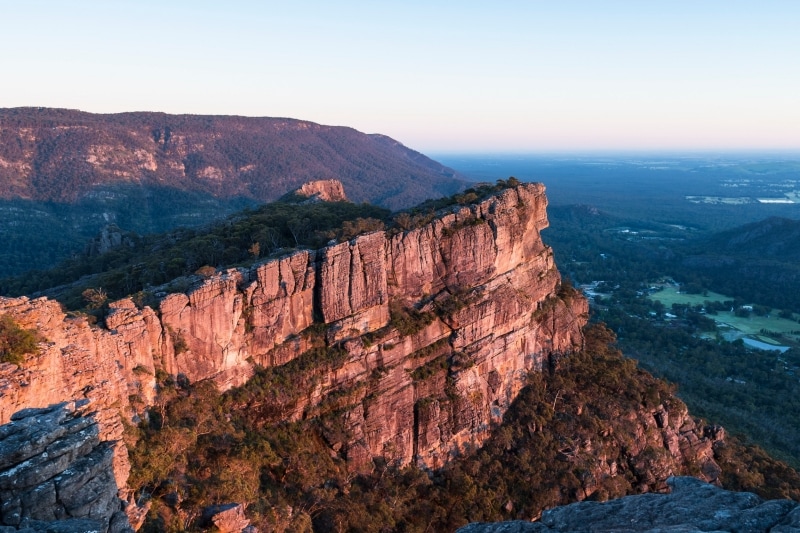
Stunning Nature |
Wildlife Adventure |
![]() |
![]() |
|
Always wanted to visit one of the world’s best cities and one of the world’s greatest natural wonders? Here’s some travel ideas to experience both Sydney and the Great Barrier Reef in a week. You could find yourself climbing a bridge, taking a harbour cruise, meeting indigenous people and visiting three world heritage wonders, the Blue Mountains, Daintree Rainforest and Great Barrier Reef.
Day 1
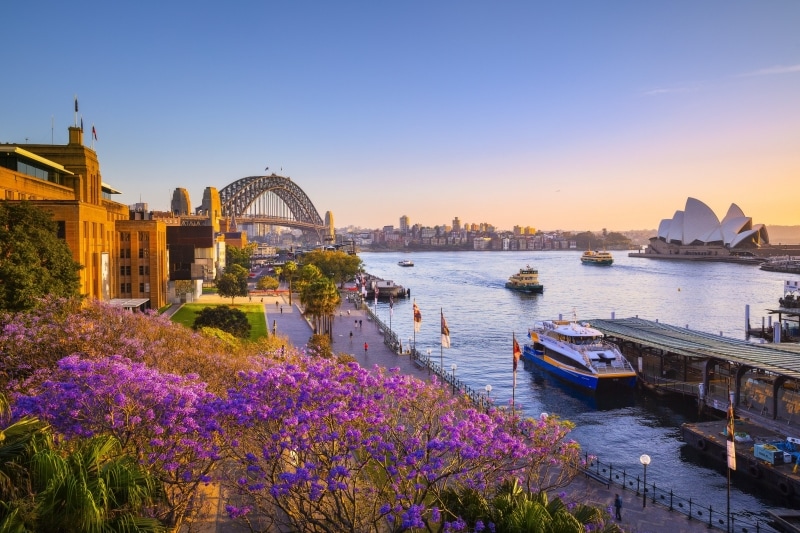
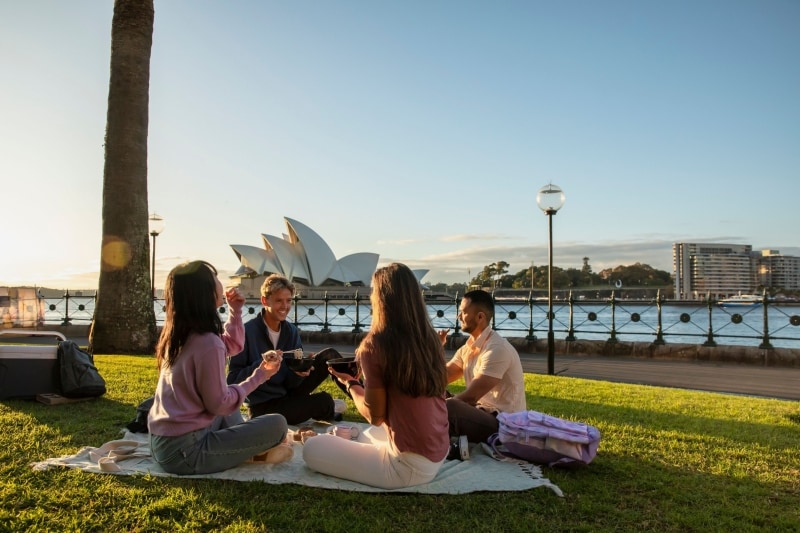
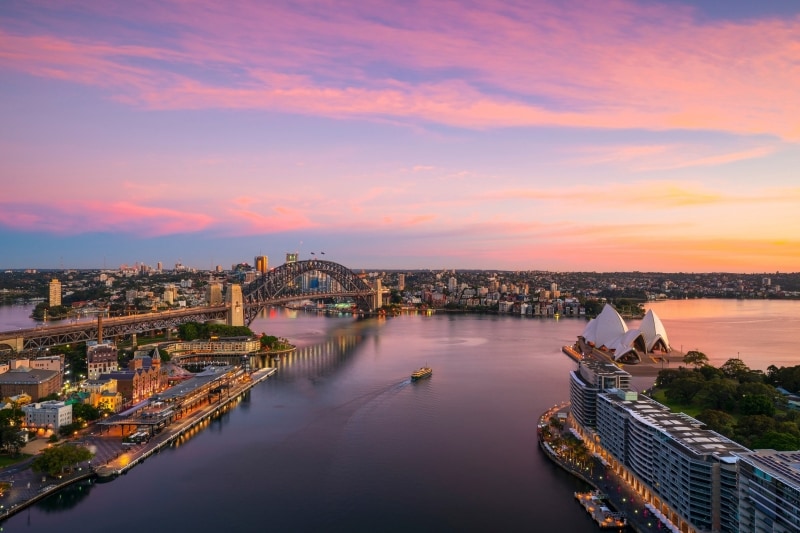
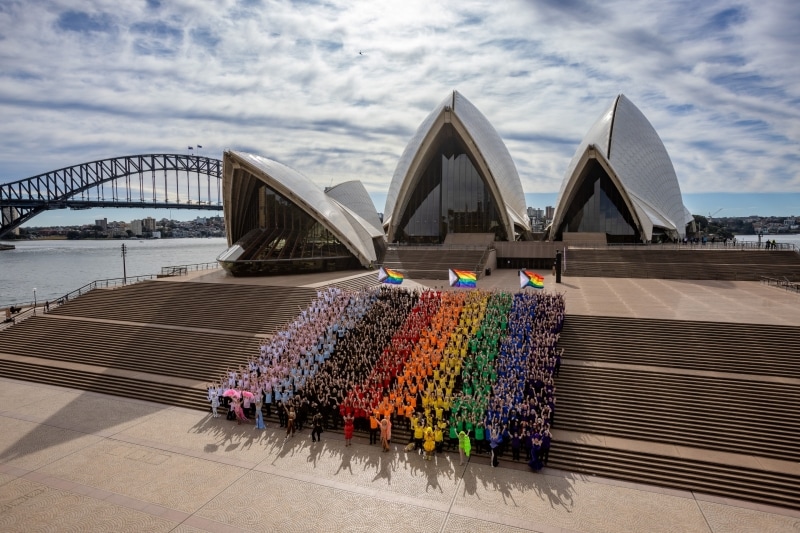
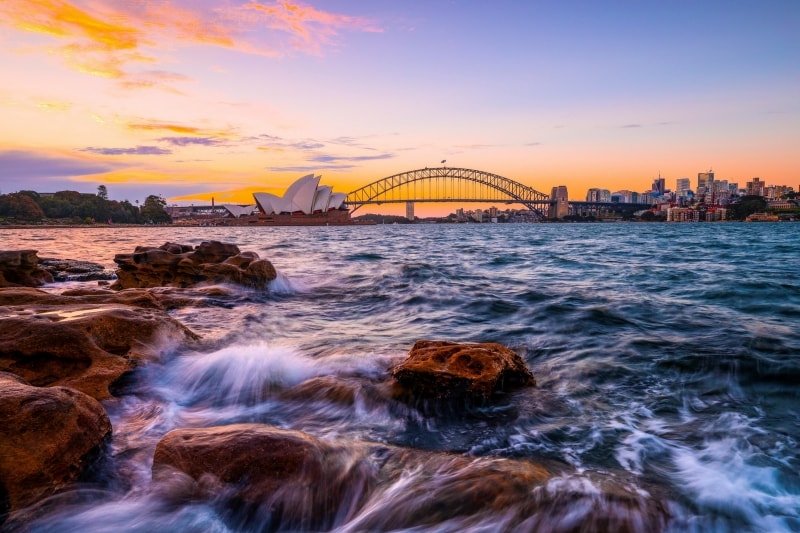
After breakfast head down to Circular Quay to see two Sydney icons at once the Sydney Harbour Bridge and the white-sailed Sydney Opera House. You could take a tour of the Opera House, or simply walk around the outside.
Next, stroll across to The Rocks area to see where European Sydney started out. The compact waterside area is criss-crossed with alleyways and crammed with terraced houses, old pubs, and former maritime storehouses. Make the most of the experience by going on a guided walk with an operator such as The Rocks Walking Tours.
Nearby are some steps that take you up to the walkway that spans the Sydney Harbour Bridge. You can walk right across the bridge and take a local commuter train back to the city centre. Or, you could actually climb the Harbour Bridge with BridgeClimb.
Afterwards, head back to Circular Quay and take a boat trip on Sydney’s glorious harbour. There are lots to choose from. One that gives an Aboriginal perspective is the Tribal Warrior Aboriginal Culture Cruise.
From here you could walk past the Opera House and into the Royal Botanic Gardens. You might then want to pop into the Art Gallery of New South Wales, before heading towards the city again.
Ahead of you is Sydney Tower, the tallest building in Sydney. The tower offers stunning 360-degree views across the city, and beyond to The Blue Mountains. Daredevils can walk around the outside of the tower on a Skywalk.
Day 2
Spend the morning in Darling Harbour, Sydney’s main entertainment precinct. There are plenty of bars and restaurants around here with outdoor seating, and lots of major attractions.
Among these is Sydney Aquarium. Highlights include the stunning Barrier Reef exhibit, its new dugong habitat, and an underwater walkway through an enormous tank full of giant sharks and rays. You can feed the sharks from a glass bottom boat.
If you have time check out Australian animals at the nearby Sydney Wildlife World, or clamber over real ships and a submarine at the Australian National Maritime Museum.
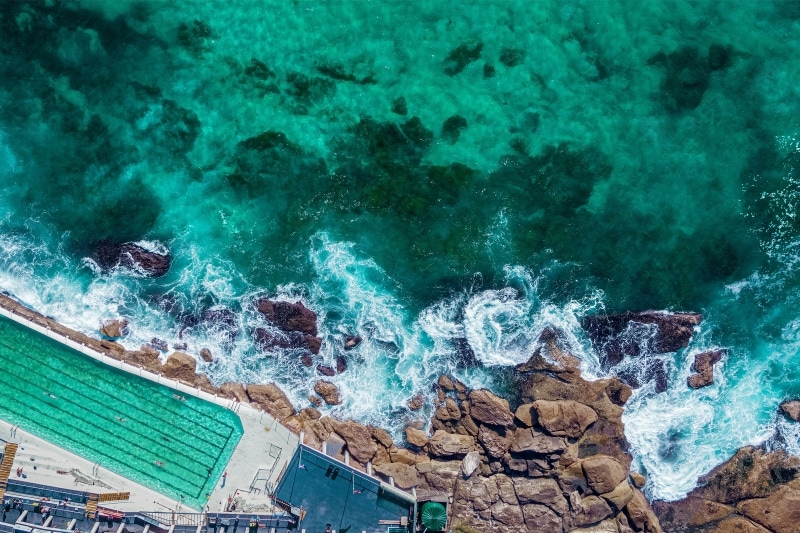
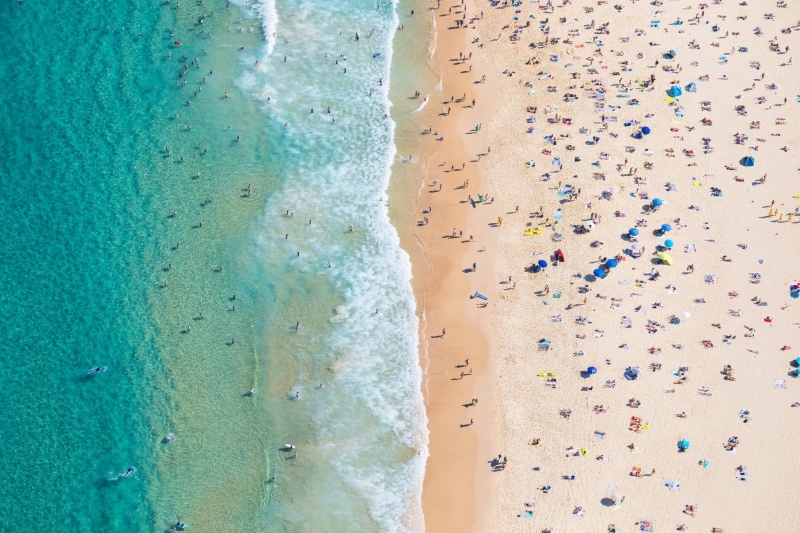
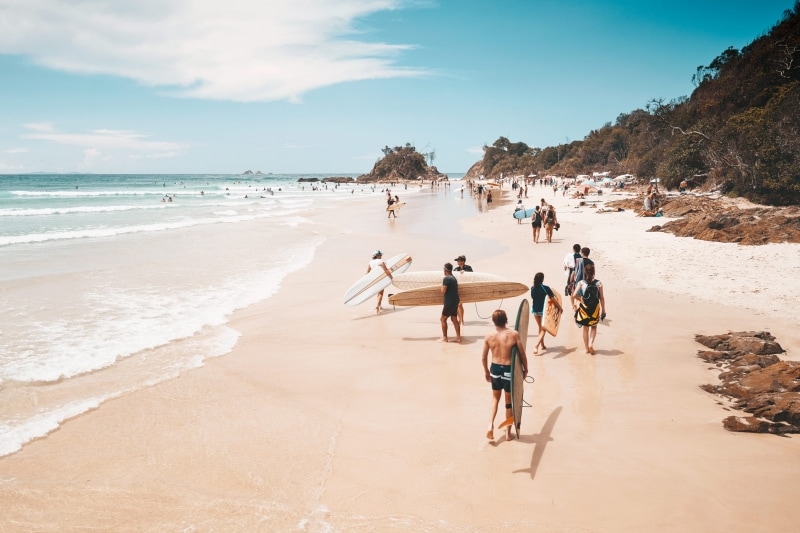
In the afternoon you could check out the animals at Taronga Zoo or make your way to one of Sydney’s many golden beaches. The most famous is Bondi Beach, but Manly Beach - reached by ferry - should be high on a must-do list too. You can learn to surf at both beaches.
Day 3
Today it’s time to head to the hills. The World Heritage-listed Blue Mountains are less than two hours from Sydney. You can get there by train and join a tour, take a tour from Sydney, or wander around alone.
On the way, you could stop off to see the kangaroos and other creatures at Featherdale Wildlife Park.
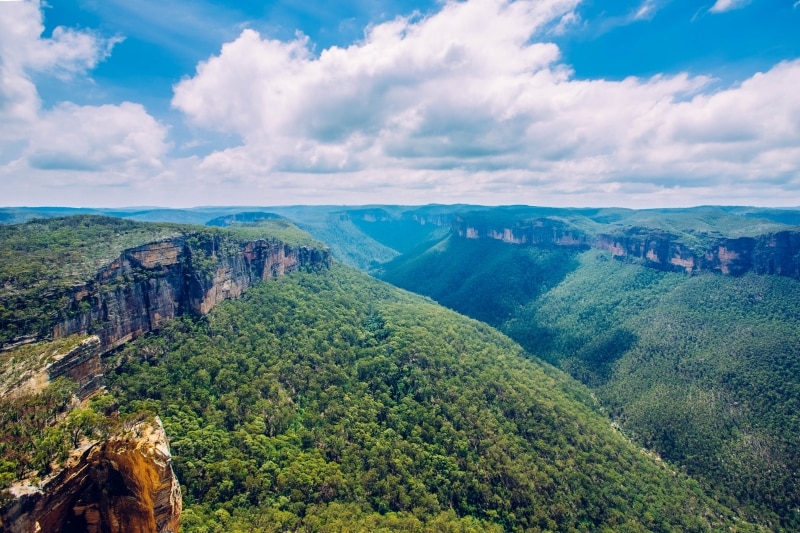
In the Blue Mountains you can ride the world’s steepest incline railway and enjoy spectacular rainforest views from a cable car at Scenic World. There are lots of incredible bushwalks, majestic waterfalls, and the sandstone escarpments and canyons are awesome.
Stay the night if you wish to extend your trip, and immerse yourself in the amazing scenery again the next day.
Day 4
Travel back to Sydney and head north to the Hunter Valley wine country. Most of the area’s 120 wineries offer tastings at the cellar door. There are plenty of great restaurants, romantic retreats, quality eateries, galleries, and producers selling handmade cheese and olive oil.
You can roam around the beautiful farming countryside on hired bicycles, in a horse and carriage, or even in a hot air balloon.
Day 5
Take an early flight to Cairns. Walk along the Cairns Esplanade and take a refreshing dip in the lagoon before heading out to the Tjapukai Aboriginal Cultural Park.
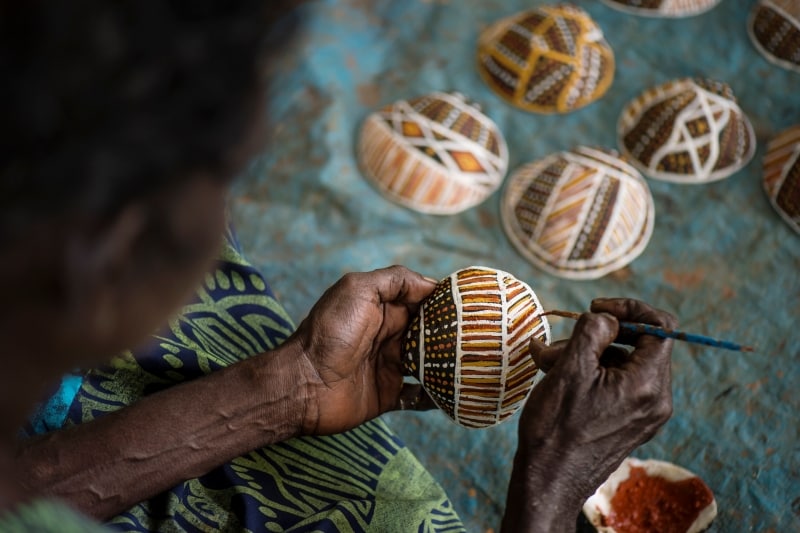
You can learn about local Aboriginal history and culture here, watch dances and Didgeridoo demonstrations, try boomerang throwing, and discover Aboriginal medicine and bushtucker foods.
Day 6
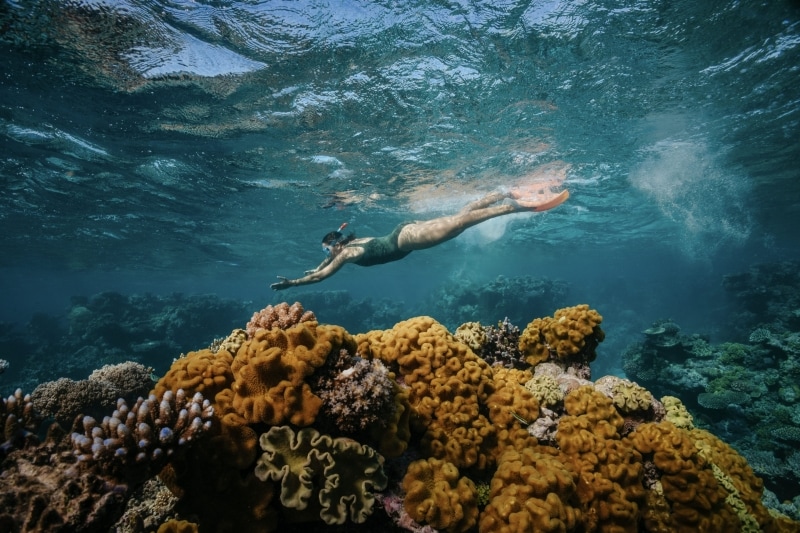
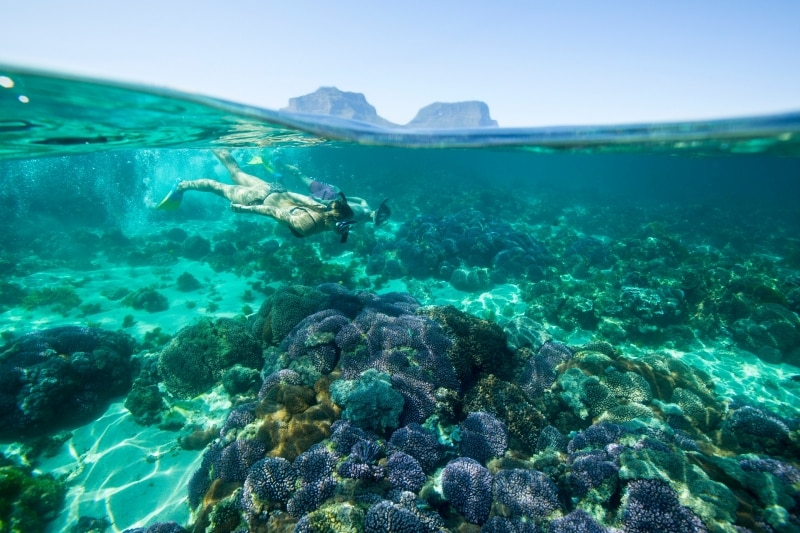
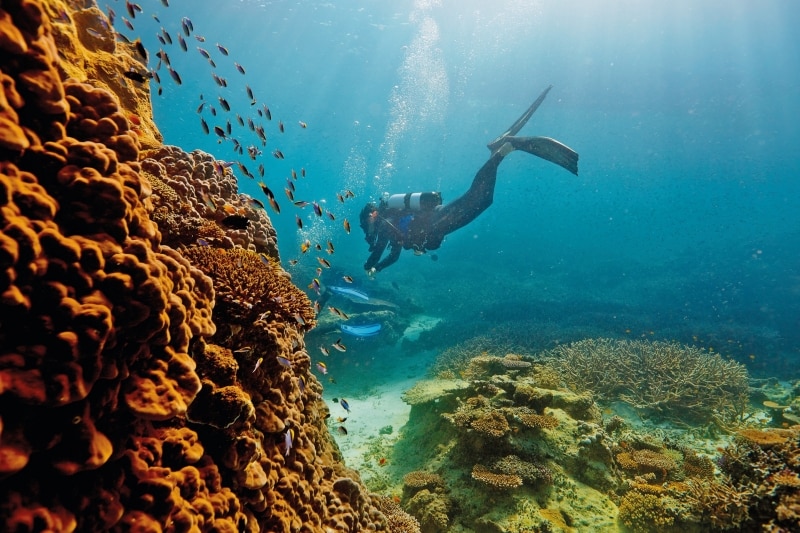
Today it’s time to see the Great Barrier Reef. The trip to the outer reef takes about two hours. Go snorkelling or diving, ride glass-bottomed boats, or take a spectacular scenic flight. The Great Barrier Reef is a natural wonder, and immersing yourself in the warm water among the amazing coral formations and colourful fish is an extraordinary experience.
You could stay overnight or longer on one of the many Barrier Reef islands. One of these is Green Island, where you can go snorkelling or scuba diving, laze on white sand beaches, indulge in a day spa, take a scenic helicopter flight, go parasailing, see the world’s largest captive crocodile, and walk underwater with a helmet on.
Day 7
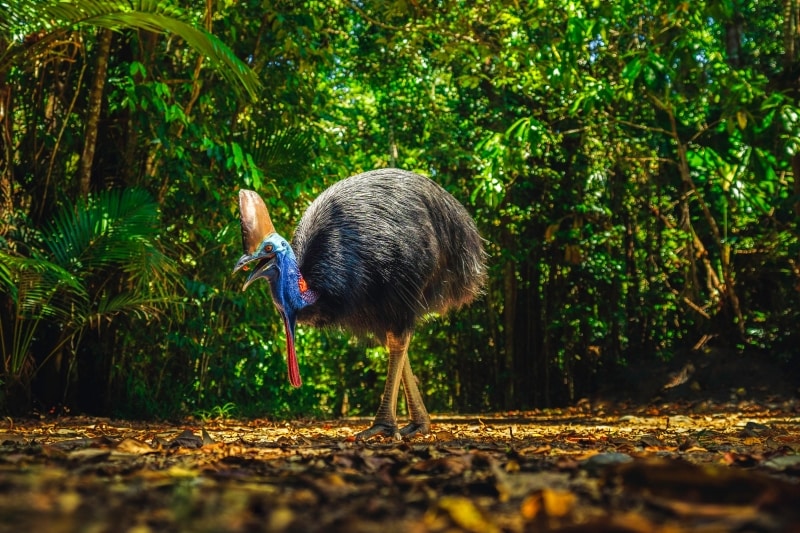
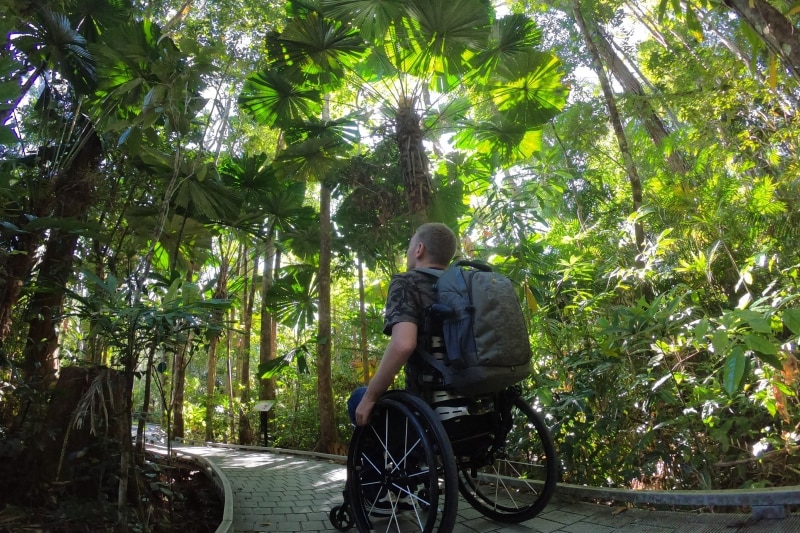
As well as the Reef, this area of Queensland is known for its rainforests. One of the best is the Daintree. A tour from Cairns could include a wildlife cruise along the Daintree River, tropical fruit tasting, a stroll though World heritage-listed rainforest, and a swim in the dramatic Mossman Gorge.
Another option would be a day tour to Kuranda - a ‘village in the rainforest’. Attractions here include Kuranda’s craft market, rainforest walks, and the Skyrail – a gondola that travel above the rainforest canopy.
You can see plenty of koalas at the Kuranda Koala Gardens, while Birdworld is home to the largest collection of free flying birds in Australia. Meanwhile, the Butterfly Sanctuary is home to Australia’s largest butterfly flight aviary and exhibit.
For everything from tropical fruit and wildlife tours to Aboriginal culture and more native animals, visit the Rainforestation Nature Park.
Travel back to Cairns on the Kuranda Scenic Railway. This spectacular journey offers panoramic views of dense rainforest, steep ravines and gorges, and picturesque waterfalls.
Day 8
Return to Brisbane or Sydney and home
Looking for an adventure that combines amazing landscapes and nature with great cities and food and wine? Start in Melbourne, an international gateway for Qantas. The culture capital of Australia, it’s known for its great food and shopping but also has great access to wildlife (penguins and koalas in the wild) and wine regions. Next head to the island state of Tasmania, a place of wild beauty with great walks, wine, and the cleanest air in the world.
Day 1
Arrive Melbourne and get your feet on the ground, walking. And when you need to rest your legs jump on the free tram that rattles around the city grid.
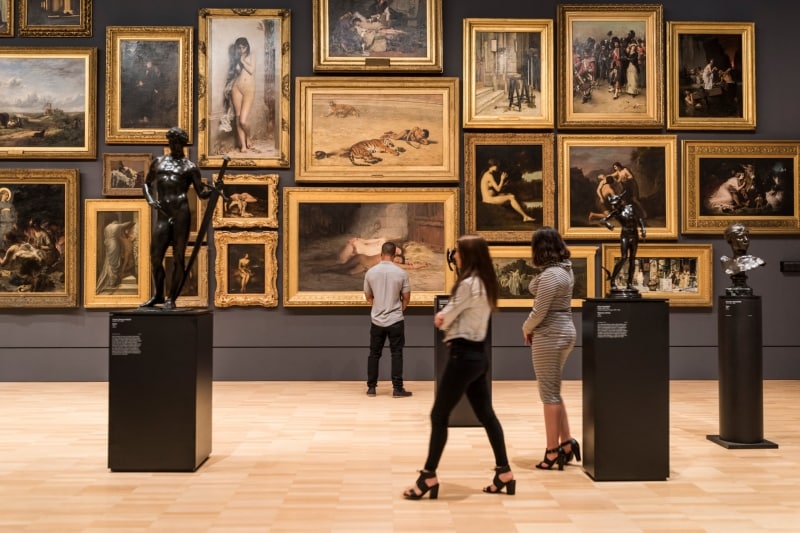
Head first to Melbourne’s main gathering place Federation Square, with its striking architecture providing an eye-popping contrast to adjacent grand Victorian-era buildings. There are several museums and a slew of bars and restaurants to enjoy at Federation Square, with the visitor highlight being the NGV: The Ian Potter Centre, where you will find the largest collection of Australian art in the country.
Federation Square is also a great starting point to explore Melbourne's unique laneways and arcades with its eclectic array of boutiques, restaurants, cafes and bars.
Next, you could stroll along the banks of the Yarra River and enjoy the sights of the city, or follow the riverside path to the wonderful Royal Botanic Gardens, where in the mornings you can also enjoy Aboriginal-led Heritage Walk learning about the local indigenous people and their relationship with the native plants and animals.
If you are an animal nut you have a great choice of venues to explore in the city, including the Melbourne Zoo and Melbourne Aquarium.
Day 2 Yarra Valley & Phillip Island
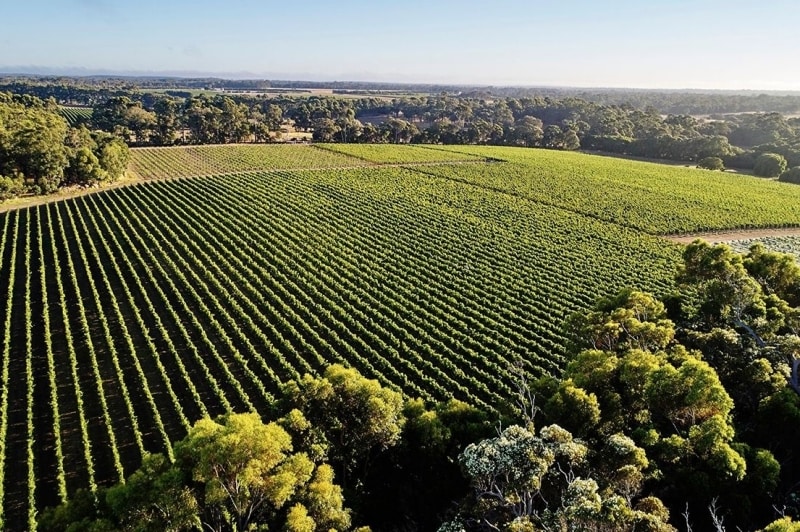
Hop in the car and make your way to the Yarra Valley, just 45 minutes from downtown Melbourne. It's a famous wine region with over 70 wineries featuring "cellar doors" experiences, which is Aussie lingo for wine tasting. Enjoy a sip, or two, of award-winning varietals, from refined chardonnays to Victoria's acclaimed "cool climate" Shiraz.
Australia's wine is almost as famous as its wildlife, which you can enjoy in abundance at the Healesville Sanctuary. Nestled amongst the vines of the Yarra Valley, the sanctuary is home to over 200 species of Australian wildlife, from kangaroos and koalas to some of Australia's most unique critters and birds of prey.
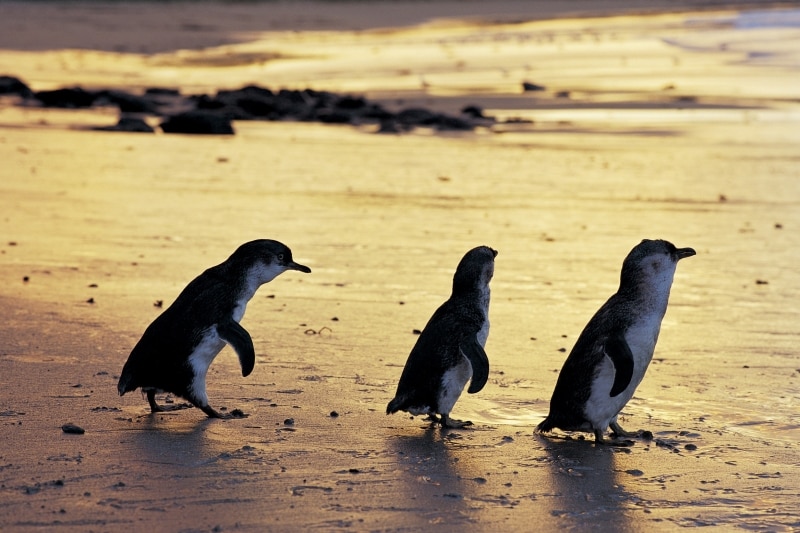
Later in the afternoon drive south to Phillip Island Nature Park, a haven for wildlife and famous for its huge colony of Little Penguins, the smallest in the world. Every night at dusk thousands of Little Penguins waddle across the beaches and dunes to their burrows, and you'll be just inches from them.
Day 3
When in Melbourne, do like the Melburnians! Today drive to Melbourne’s playground- the Mornington Peninsula.
What's your interest? Wildlife? Meet nocturnal animals at Moonlit Sanctuary. Or swim with the dolphins and seals. Golf? Some of the best golf courses in the country dot the rolling landscape. Wine? As many wineries as the Yarra Valley, but here wines reflect the marine climate of the Southern Ocean. Dining? Shopping? Galleries? Yes, those too!
Tonight is a last evening to enjoy some of the great restaurants of Australia's dining capital, and then test your stamina exploring Melbourne's vibrant nightlife.
Day 4
Fly to Hobart or Launceston and head towards Freycinet National Park. This stunning area features pink granite peaks, coastal dunes, and chalk-white beaches.
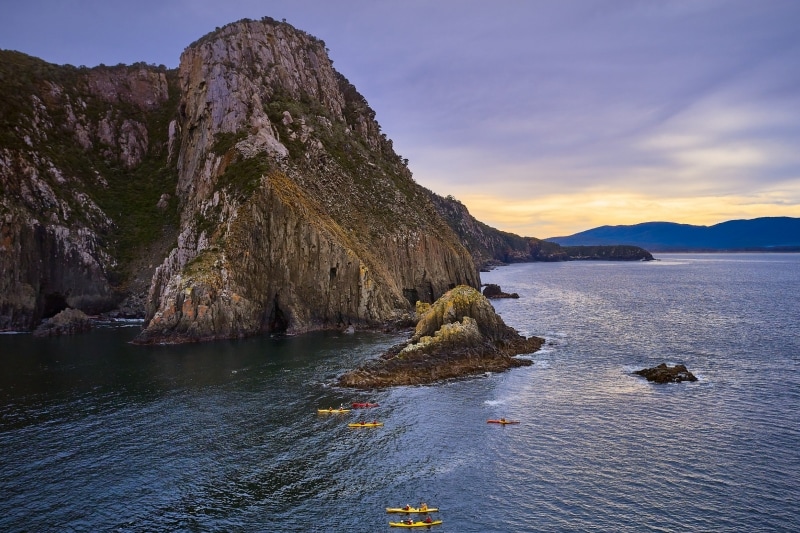
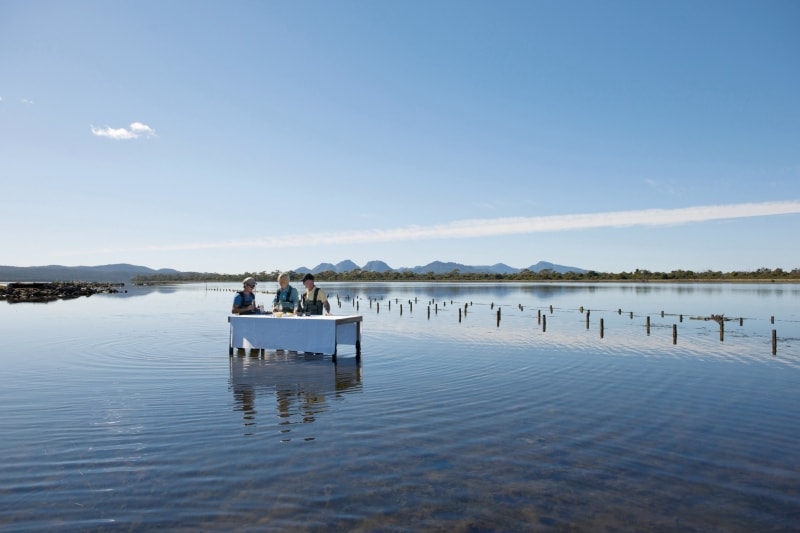
In the afternoon you could sample some award-winning local wines or estate-grown olive oil, enjoy local delicacies at an oyster farm, or paddle a sea kayak along the sheltered coastline as you scan the horizon for dolphins.
Day 5
Start off with a short uphill walk to the Wineglass Bay Lookout for breathtaking views. You can continue hiking for hours if you wish, along beaches and past shell middens – seashell refuse heaps. These grew up over thousands of years ago, thanks to the local Aborigines who obviously enjoyed Freycinet’s oysters too!
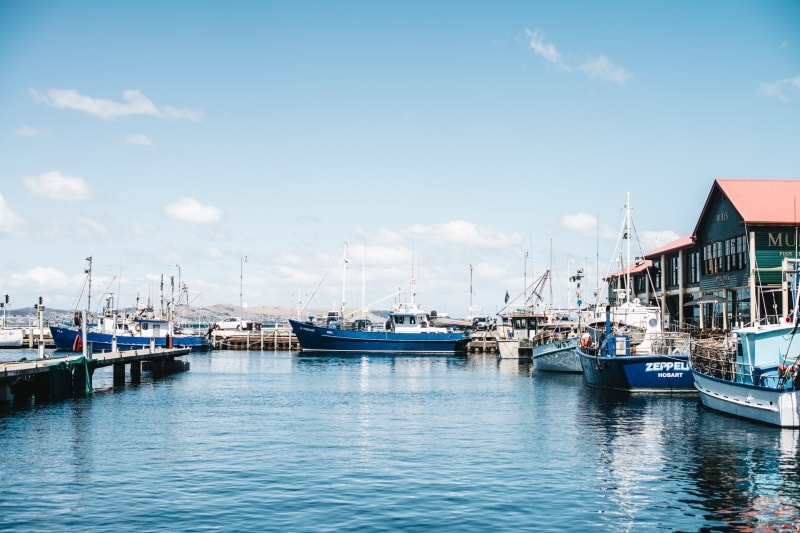
A pleasant drive along the east coast eventually brings you back to Hobart, just in time for a seafood meal overlooking the harbour.
Day 6
Soak up sea air, creative culture and colonial history in Hobart, which sits on the wide River Derwent, in the shadow of Mount Wellington. Stop to taste Hobart’s fabulous food and wine in the cobblestone streets of Salamanca Place or along North Hobart’s restaurant strip. Explore Mount Wellington on mountain bike or foot or kayak past the city’s wharves at twilight.
Take a cruise along the River Derwent to Moorilla Estate, home to a winery, The Source restaurant and new Museum of Old and New Art (MONA) opening in January and south of the city lies rugged Bruny Island. Take a ferry and spend a day walking its windswept beaches, emerald countryside and dramatic cliff tops, or cruise along the dramatic coastline for spectacular views, abundant birds and wildlife encounters.
Day 7
Fly back to Melbourne for your flight home.
Would diving the Great Barrier Reef, cuddling a koala and seeing ‘Australia’s Galapagos’ be high on your list? Then start your adventure in Brisbane which has great gardens, museums and day-trip access to the Great Barrier Reef, Steve Irwin’s Australia Zoo and some of Australia’s best beaches. Then fly over to Adelaide for some ‘WOW’ experiences’ – wine, outback and wildlife (including Kangaroo Island). And in both areas you can cuddle a koala!
Day 1
The capital of Queensland offers a laid-back lifestyle and convict-built heritage buildings. Take in the panoramic city views Mount Coot-tha Lookout, and take a stroll through the South Bank Parklands.
Other Brisbane attractions include the Queensland Art Gallery, with its associated Gallery of Modern Art, and the Lone Pine Koala sanctuary and your opportunity to cuddle a koala. There are around 130 koalas here, as well as other Australian marsupials and birds. Return to the city by boat along the Brisbane River.
Day 2
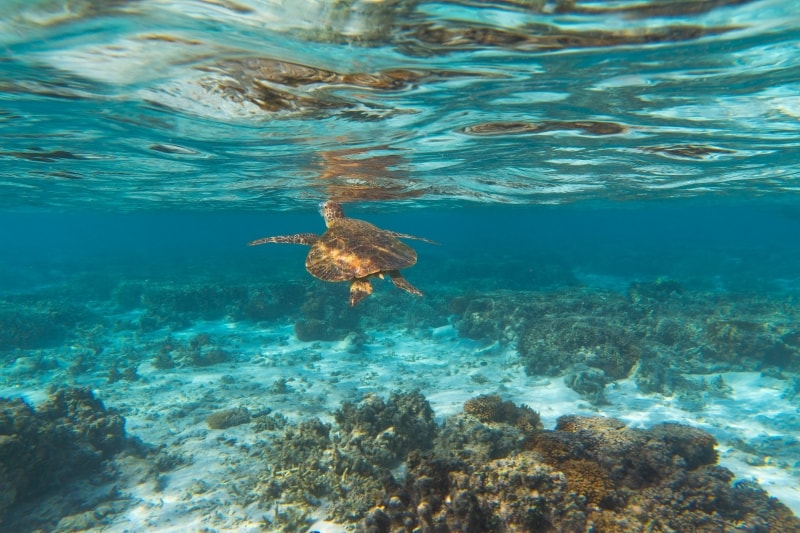
Take a day trip to the Great Barrier Reef or south to the rainforest. For those looking to dive in quickly to one of the world’s best natural wonders, fly from Brisbane to Lady Elliot Island, landing on the runway that slices the island in half. Snorkel with manta rays, friendly sea turtles and colorful fish. Land lovers can head to the rainforest at Lamington National Park and the stunning beaches of the Gold Coast.
Day 3
Head north to the world famous Australia Zoo, home to Steve Irwin’s popular animal sanctuary. Or you can drive to the nearby Sunshine Coast Noosa Beach is a wonderful long stretch of sand and a great place to play. Or, you could climb aboard a boat and go fishing
Day 4
Fly to Adelaide. South Australia’s capital is easy to navigate by foot. Spend the day exploring Adelaide’s city center. Head to the Adelaide Central Market and experience the hustle and bustle of one of the biggest indoor markets in the country. South Australia has a reputation for its fresh local produce and you can immerse yourself in it here.
The Art Gallery of South Australia has a huge range of local and overseas works. Don’t miss the Australian Aboriginal Cultures Gallery in the South Australia Museum. It is the largest collection in the world and has one of the best displays of Aboriginal artefacts in Australia.
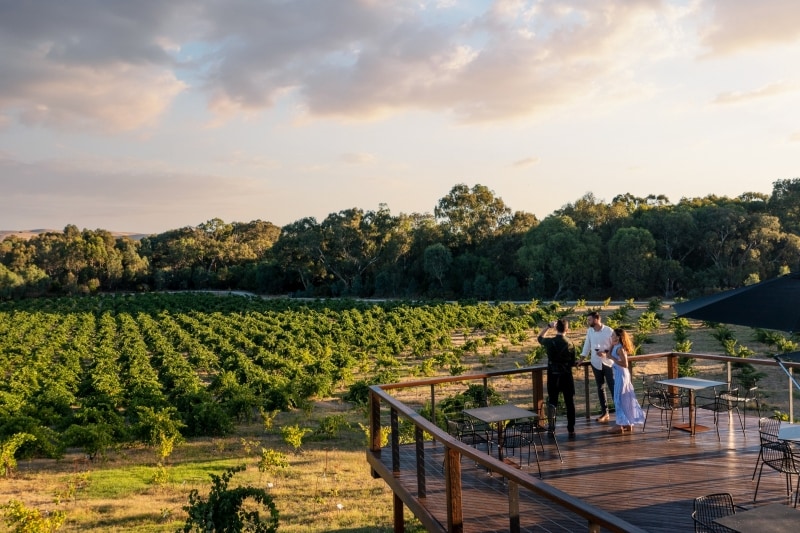
If you can’t wait to immerse yourself in South Australia’s world-wide reputation for wine, make tracks to the National Wine Centre of Australia.
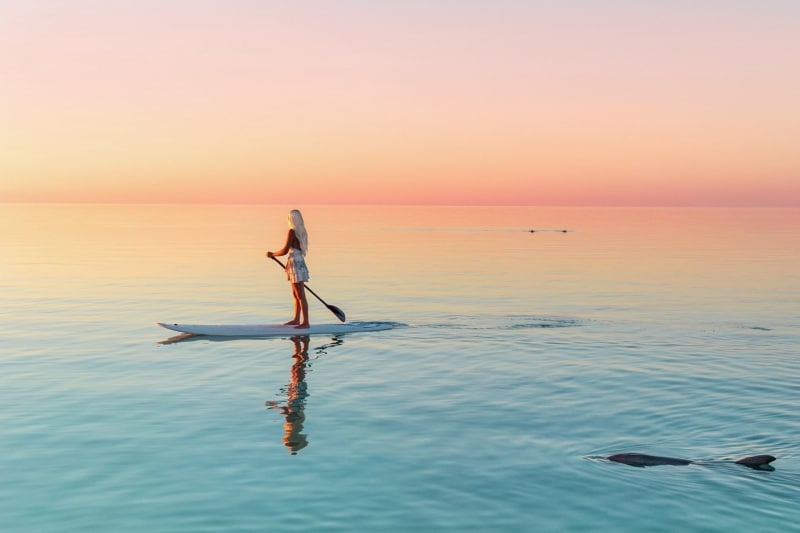
In the evening you could take the tram to the seaside suburb of Glenelg for a walk along the esplanade. For those in town a little longer, join an early morning cruise and swim with dolphins.
Day 5 and 6
You could easily spend two days or more in Adelaide, but now it’s time to head to one of the greatest animal habitats in the world - Kangaroo Island. It’s been described as ‘Australia’s Galapagos.’
You can get there on a 20-minute plane ride from Adelaide or by ferry. Drive around the island yourself, or take a tour. There is so much to see so plan on at least two or three days to explore.
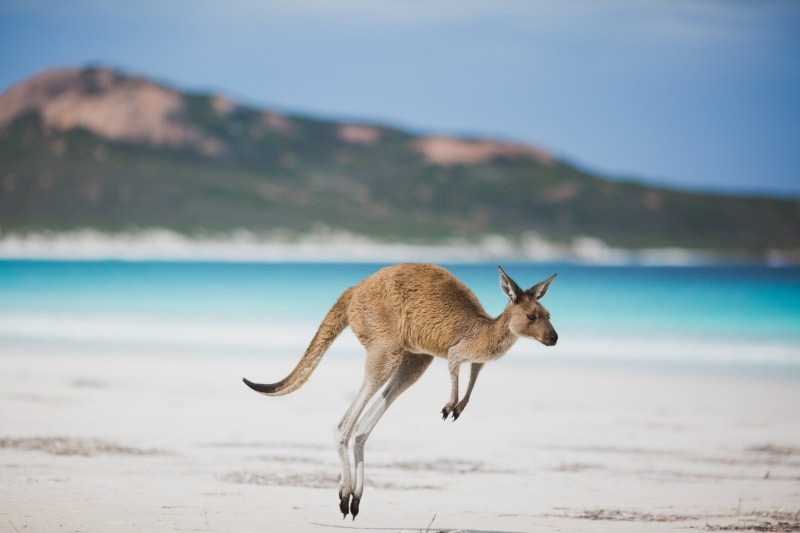
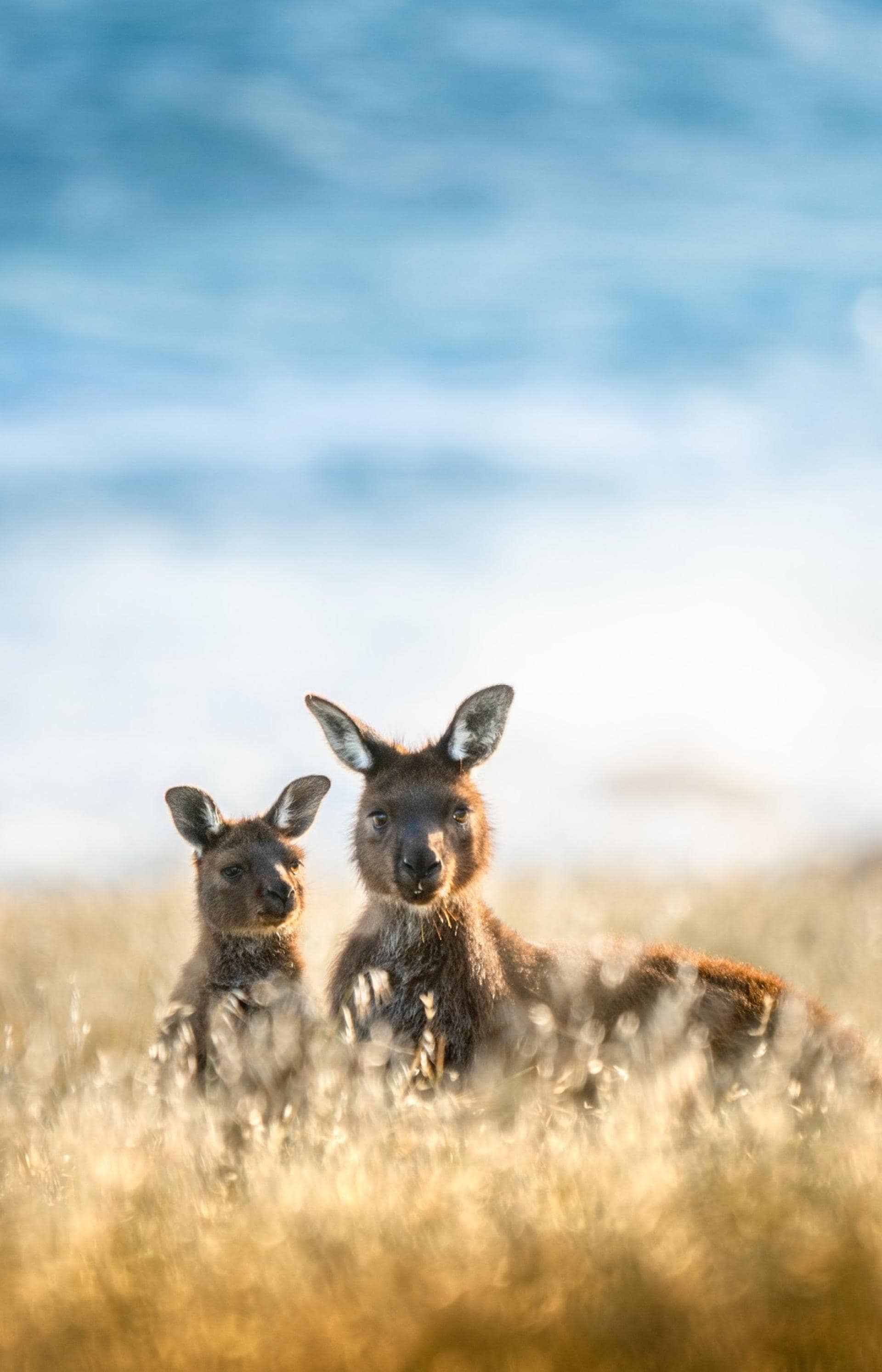
Highlights include walking through a colony of Australian sea lions as they laze on the beach, watching little penguins head towards their burrows in the evening, strolling through and seeing hundreds of kangaroos and wallabies lots of koalas in the wild.
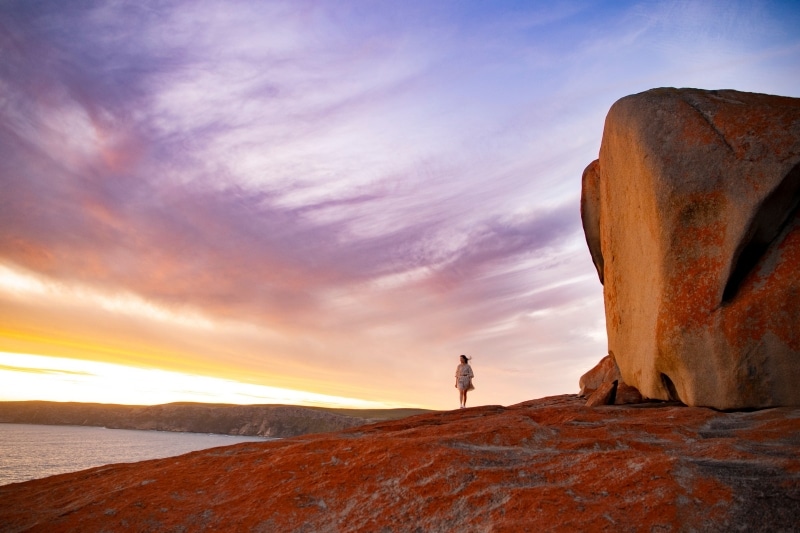
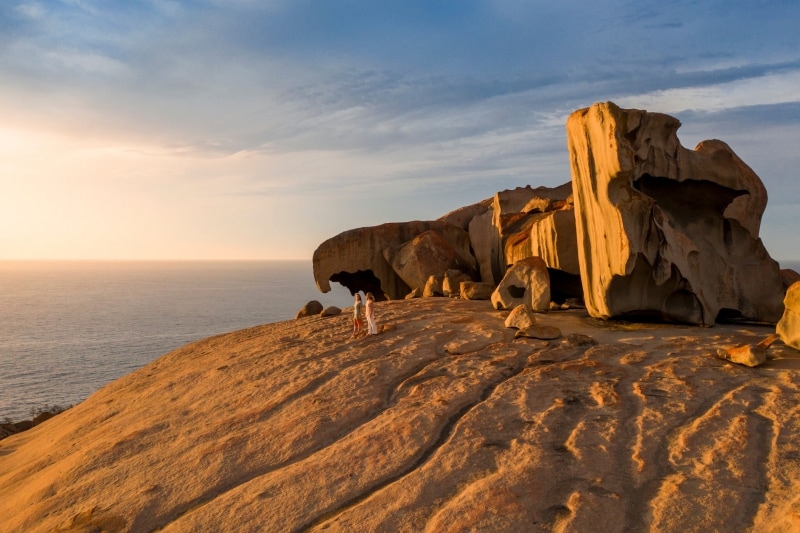
Strange too are the aptly named Remarkable Rocks, made up of huge boulders balancing on top of a massive granite dome.
Part of the island is farming country, and local produce includes honey, sheep cheese, organic lamb, wine, and beer. The sea produces another local harvest, including oysters, abalone and King George Whiting.
Day 7
By the time you end up back in Adelaide you might only have an afternoon to explore, so what better place than the nearby Adelaide Hills. The area’s wineries, gardens, and historic townships are just a short drive from the city centre. You can also cuddle a koala at one of the local wildlife parks.
Or, head to the Barossa Valley, known as the wine capital of Australia, located just a one-hour drive north of Adelaide. Barossa wines are famous the world over with more than 150 wineries in this compact region. Penfold’s Make Your Own Blend let’s you try your hand at mixing your own wine to take home.
World heritage-listed Hahndorf should definitely be on your itinerary. Settlers from Prussia created this historic German-inspired village in 1839. The architecture is very German, as is much of the food and beer.
Return to Adelaide and enjoy dinner at one of the many high-end restaurants and cafes along Gouger Street, or one of the many cafes, burger bars, or pubs on O'Connell Street in North Adelaide.
Day 8
Return home
Are Sydney and the Outback high on your list? Then first head to the heart of Australia's Outback, the Red Centre and explore the array of natural and aboriginal attractions found between Uluru (Ayers Rock) and Alice Springs before exploring the beaches, great walks and icons of spectacular Sydney.
Day 1: Uluru (Ayers Rock)
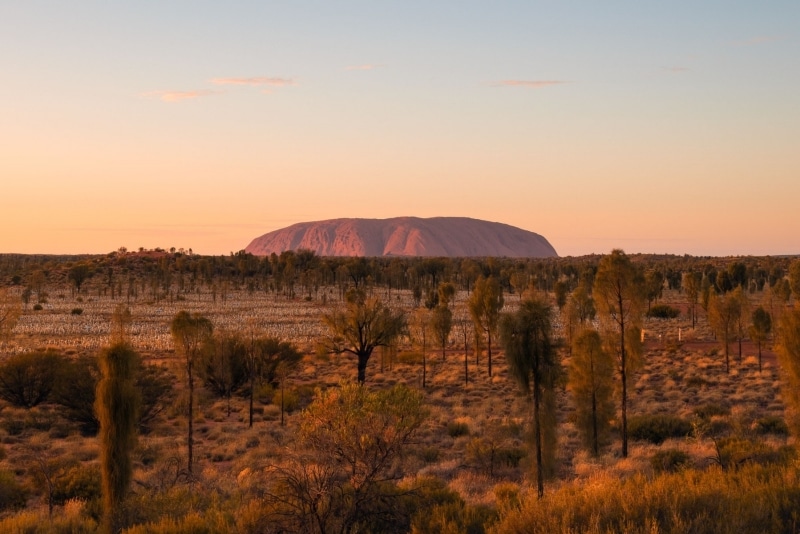
On the first day of your journey through the red desert sands, you will surely want to visit the region's most iconic destination – Ayers Rock.
Uluru has great aboriginal cultural significance for the Anangu traditional landowners, who can lead you on a walking tour where you can learn more about the local flora and fauna, bush foods and the Aboriginal Dreamtime stories of the area. End your day with a glass of wine, taking in the spectacular colors and cultural landscape of Uluru at sunset.
Day 2: Uluru Sunrise & Kata Tjuta (The Olgas)
Over a cup of tea or coffee, take in the Uluru sunrise and watch as the colors of Uluru gradually change as the sun rises over the horizon.
In the afternoon, explore the massive series of domes known as Kata Tjuta (the Olgas) and walk into Walpa Gorge. Estimated to be over 500 million years old, these 32 weathered rock domes sit 25 miles to the west of Uluru/Ayers Rock.
If you're after some serious adventure, you can grasp how incredibly ancient and remarkably imposing Kata Tjuta is by tackling the moderately difficult Valley of the Winds Walk for breathtaking views over the desert plains.
Day 3: Kings Canyon
Today, consider a drive through sandhill country to Watarrka National Park and Kings Canyon. The energetic guided climb to the canyon rim is rewarded with magnificent views of the national park. There is also an easier walk along the boulder-strewn canyon floor. While the Luritja Aboriginal people have called the area their home for over 20,000 years, it was little known until recently.
Day 4: Alice Springs
For your final day in the Red Centre, travel along the Stuart Highway through beautiful desert to Alice Springs. There are myriad sightseeing options here including the School of the Air where you learn about educational services for children living in remote areas or the Royal Flying Doctor Service which provides a 'mantle of safety' to the people of the outback.
And, for those who prefer to see some of the Outback's other local inhabitants, you can visit the Alice Springs Reptile Centre (http://www.reptilecentre.com.au/) where you can see unique Central Australian reptiles such as the Perentie lizard and Thorny Devil.
Day 5: Sydney's Icons
After seeing the icons of the Outback, it's off to Sydney and its famous Sydney Harbour Bridge and white-sailed Sydney Opera House. Walk off the flight around Circular Quay, with a stroll around the Oprah House or perhaps continue a little further to the terraced houses, old pubs and former maritime storehouses in The Rocks to see where Sydney started out. Make the most of the area by taking the guided The Rocks Walking Tours.
Also in the Rocks is a truly iconic climb on the Harbour Bridge where you can go to the top with BridgeClimb. For those who want to keep on the ground (or bridge) you can also walk right across it take a local commuter train back to the city centre.
Day 6: Darling Harbour & Beaches
Spend the morning in Darling Harbour home to the Sydney Aquarium and its stunning Barrier Reef exhibit, new dugong habitat, and an underwater walkway through an enormous tank full of giant sharks and rays. You can feed the sharks from a glass bottom boat.
If you have time check out Australian animals at the nearby Sydney Wildlife World, or clamber over real ships and a submarine at the Australian National Maritime Museum.
In the afternoon visit the animals at Taronga Zoo or make your way to one of Sydney's many golden beaches. The most famous is Bondi Beach, but Manly Beach - reached by ferry - should be high on a must-do list too. You can learn to surf at both beaches.
Day 7: Sydney Harbour
Head back to Circular Quay and take a boat trip on Sydney's glorious harbour. There are lots of tour boats to choose from. One that gives an Aboriginal perspective on things is the Tribal Warrior Aboriginal Culture Cruise. If you are the adventurous sort you could even take zip around the Harbour at break-neck speed on a jet boat.
From here you could walk past the Opera House and into the Royal Botanic Gardens or pop into the Art Gallery of New South Wales, or even climb around the top of Sydney Tower, the tallest building in Sydney, enjoying stunning 360-degree views across the city, and beyond to The Blue Mountains. Daredevils can walk around the outside of the tower on a Skywalk
Day 8
Enjoy an breakfast and another walk before heading home.
Do you like adventure that takes you to frontier territory where you can explore indigenous cultures, see stunning rock art and Outback parks and get up close with Australia's nature. Then Darwin in the Top End of the Northern Territory and Broome in north Western Australia should be on the top of your list.
Day 1: Darwin
Begin your journey in the multi-cultural tropical capital of Darwin by taking a stroll among the palms and odd-looking baobab trees in the Darwin Botanic Gardens, or visit the brand new Darwin Waterfront and it's wave pool and year-round swimming lagoon. You could also visit the Museum and Art Gallery of the Northern Territory for some local history and culture.
In the afternoon take a trip to Crocodylus Park where 1,000 crocodiles along with lions, tigers, dingos and wombats live. An alternative trip takes you to the Territory Wildlife Park which houses one of the largest open-flight aviaries in the Southern Hemisphere and a Nocturnal House featuring many common and endangered night-loving marsupials, birds and reptiles.
If you are in Darwin on a Thursday and Saturday evening in the Dry Season don't miss the Mindil Beach Sunset Markets. Also the popular Parap Markets operate every Saturday morning, and the Rapid Creek Markets burst into action on Sunday mornings.
If you plan to stay longer in Darwin then you could explore the city through indigenous eyes during a two-hour cultural and historical tour, including learning about eh WWII bombing of Darwin with Batji Tours.
Day 2: Kakadu National Park
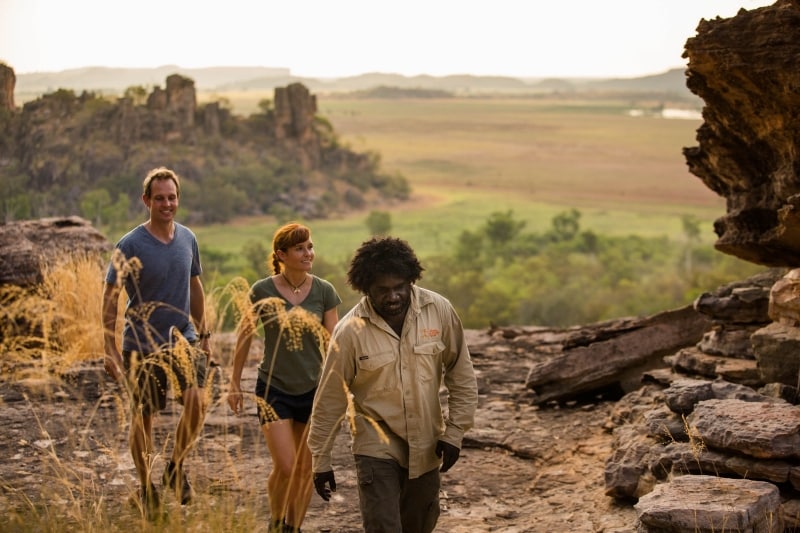
Take a four wheel drive journey to the World-heritage listed Kakadu National Park and visit the Aboriginal rock art sites at Ubirr to learn about the x-ray style paintings and see the delicate Mimi paintings. To fully appreciate the beauty of the region's flora and fauna, join an Aboriginal guide for the Guluyambi cruise on the East Alligator River to discover the flora, fauna, Aboriginal mythology and history of the region.
Day 3: Kakadu and Katherine Gorge
Head to Nourlangie Rock to view renowned Aboriginal art, including Namondjok, a painting some Aboriginal groups believe represents a Creation Ancestor. From there, stop by the busy little outback town of Katherine. With its river setting, you will not want to miss a sunset cultural dinner cruise on Katherine Gorge where you can also learn about the spirit, history and culture of the Jawoyn people.
Day 4: Litchfield National Park and Darwin
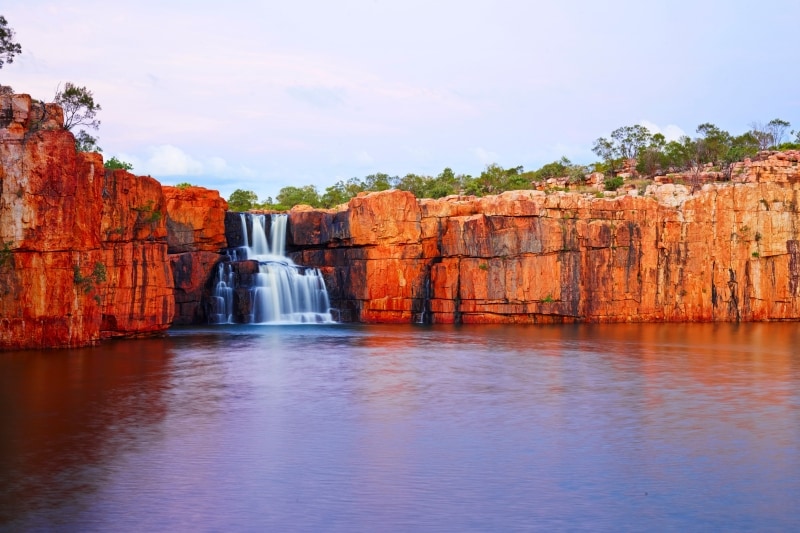
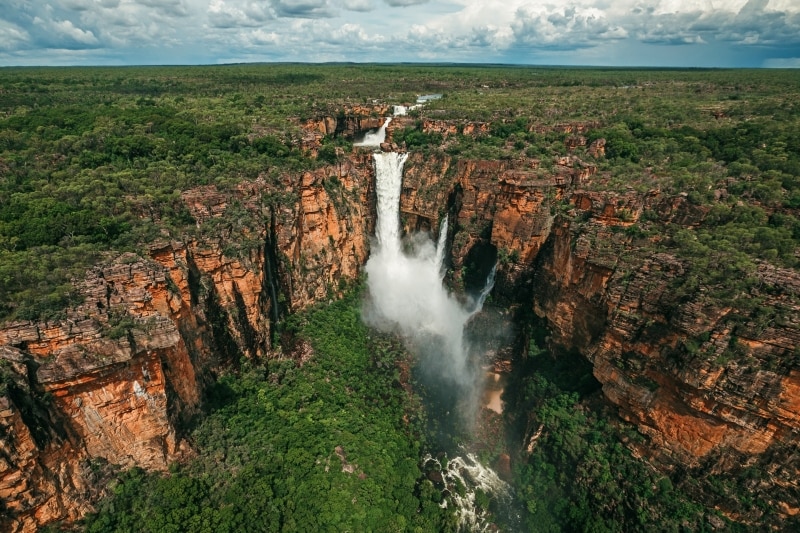
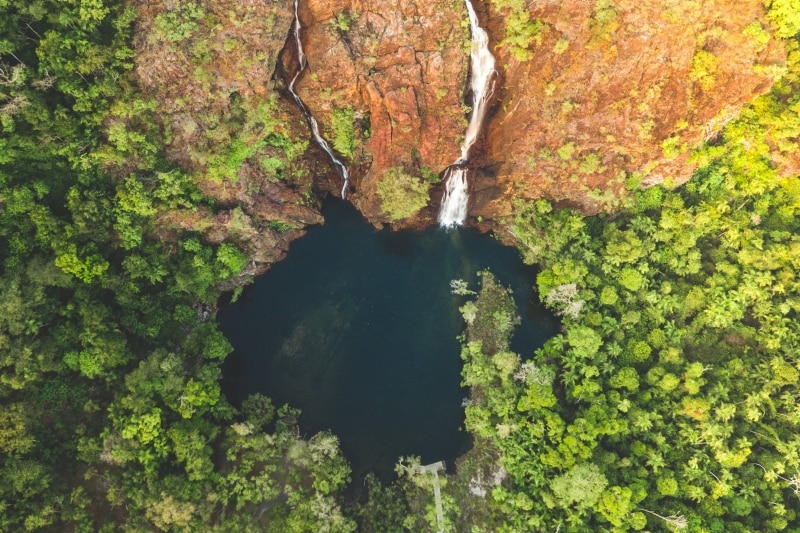
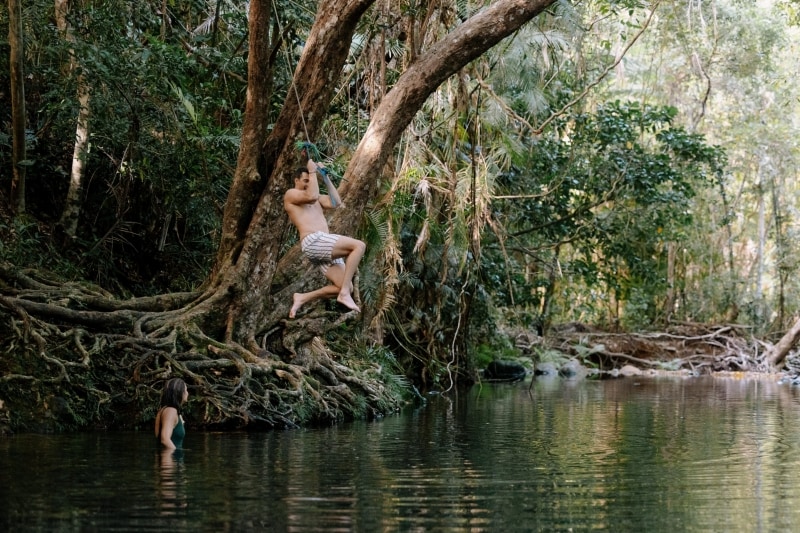
For your last day in the Top End, continue on to Litchfield National Park to see the double waterfall that forms Florence Falls, surrounded by lush rainforest. Take some time and swim in a waterhole, then it's back to Darwin where you can pick up on any activities you may have missed on your first day, or just enjoy a well deserved rest before traveling on to Broome.
Day 5: Broome
Fly from Darwin to Broome, where you can begin your adventure in the fascinating Chinatown district to shop for a coveted South Sea pearl in the showrooms and wander past the old billiard saloons. Learn more about the Japanese migrants lured here by Broome's lucrative pearling industry in the Japanese cemetery, which dates back to 1896.
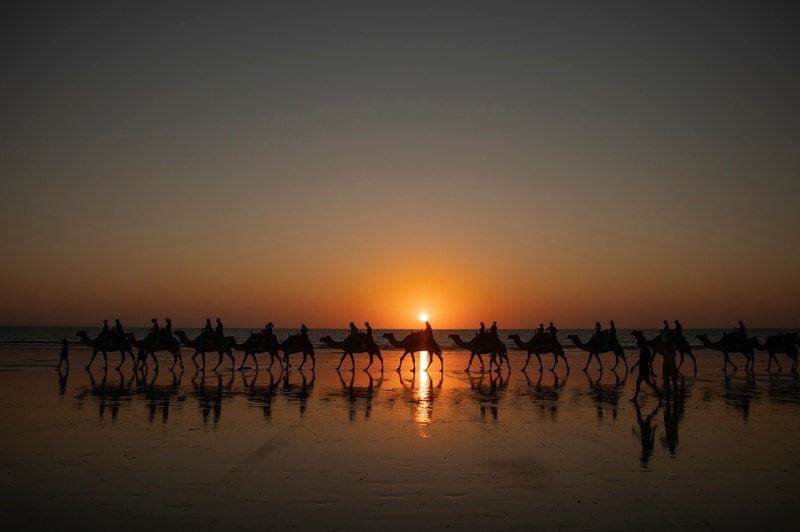
Or during the dry season, from May to October, you can swim safely from the soft, white sand of Town or Cable Beach. Whatever season you visit, make sure you finish the day with an iconic sunset camel trek along Cable Beach.
Day 6: Dinosaurs, birds and moon staircases
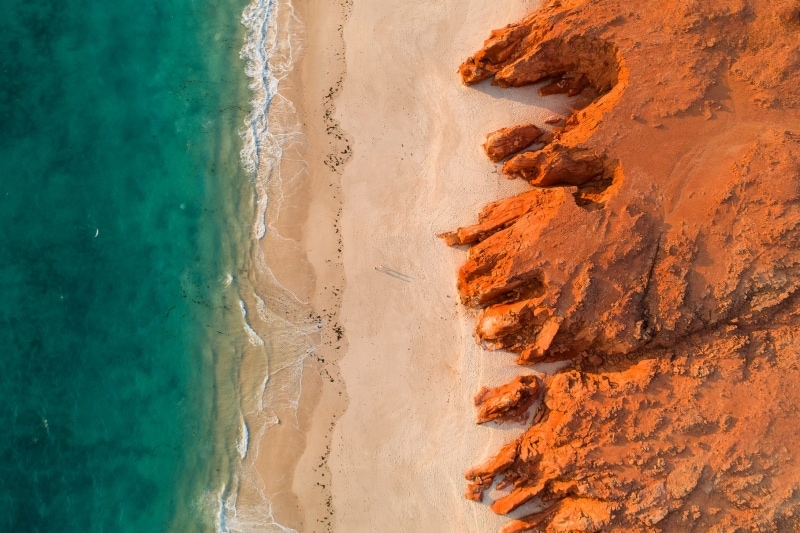
Walk or do the five minute drive to Gantheaume Point, where deep red cliffs plunge dramatically to the turquoise water of Indian Ocean. At low tide you can see dinosaur footprints more than130 million years old in the rocky reef. If it's high tide, check out the plaster cast of the tracks in the cliff top. Afterwards, visit the Broome Bird Observatory in Roebuck Bay, home to the world's greatest diversity of shorebird species.
Or head to the aquaculture centre in Manaba, where you can explore the connection between the area's traditional Aboriginal owners and the sea. If you're here between March and October, head to Town Beach to watch the 'Staircase to the Moon', a visual illusion created by the reflections of a rising full moon off the tidal flats of Roebuck Bay. At any time of year, Town Beach is a bustling place to grab a bite to eat.
Day 7: Dampier Peninsula
Join a 4WD tour along the Dampier Peninsula - a rugged, spectacular coastal stretch dotted with small Aboriginal communities. Head north on the bumpy Cape Leveque Road, stopping in Beagle Bay to visit the small Sacred Heart Church. The lovely mother-of-pearl altar here was built by the Aboriginal community and Pallottine monks in 1917.
Further north, on lighthouse-tipped Cape Leveque, you can stay in an Aboriginal-owned wilderness camp, a remote natural paradise where you can swim, snorkel and fish. Learn to catch mud crabs on an Aboriginal cultural tour and see multi-coloured marine life from a glass-bottomed boat. Fly over the Buccaneer Archipelago and its breathtaking horizontal waterfalls in a helicopter or or just enjoy walking the empty, white beaches past craggy red cliffs.
Day 8: Back to Civilization
It's back to civilization via Sydney, Melbourne or Brisbane.