















































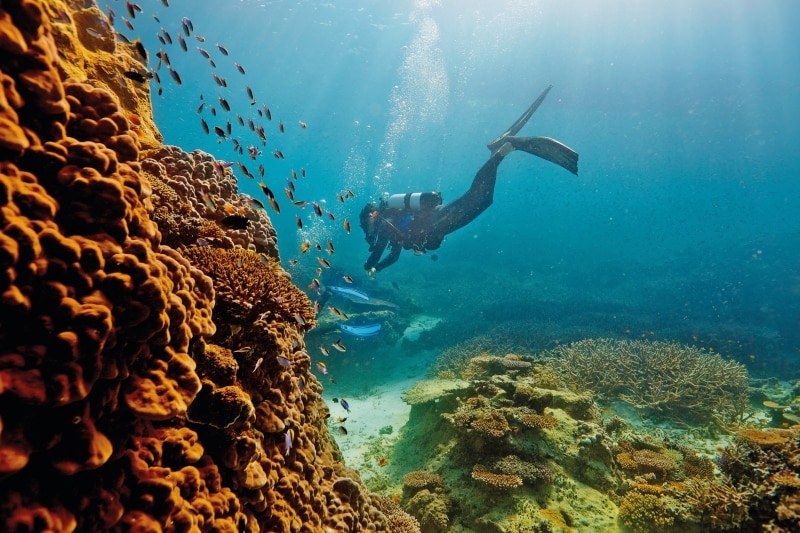









































Dreamtime Dive and Snorkel, Cairns, Queensland © Tourism Australia

Dreamtime Dive and Snorkel, Cairns, Queensland © Tourism Australia


Trip overview

10 days
Plane, car and boat
6,500km (4,037mi)

Day 1: Sydney’s Bondi Beach

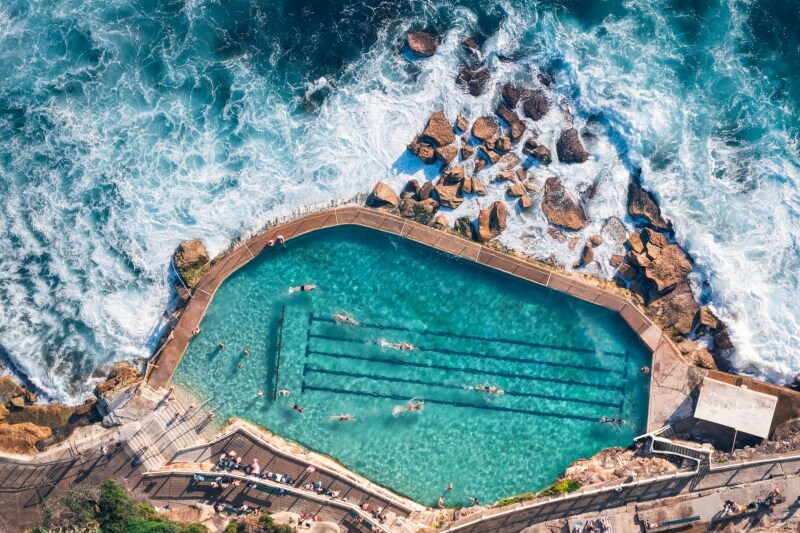
Begin your ultimate Aussie journey by exploring Sydney’s sun-soaked harbour, surf beaches, al fresco dining scene and diverse cultural attractions.

Day 2: Sydney Harbour

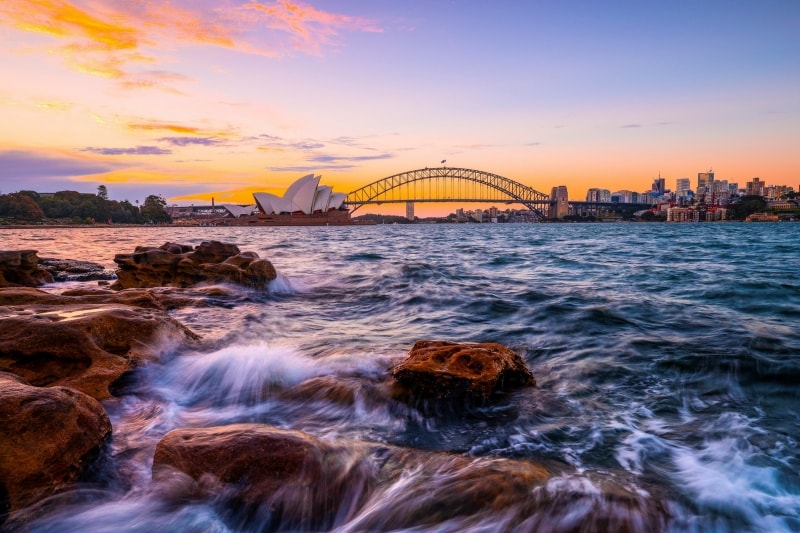
One of the world’s great natural waterways, Sydney Harbour is home to the Sydney Opera House and Sydney Harbour Bridge as well as lush parks, sandy beaches and historic islands.

Day 3: Sydney to the Blue Mountains

1.5hrs 102km (63mi)

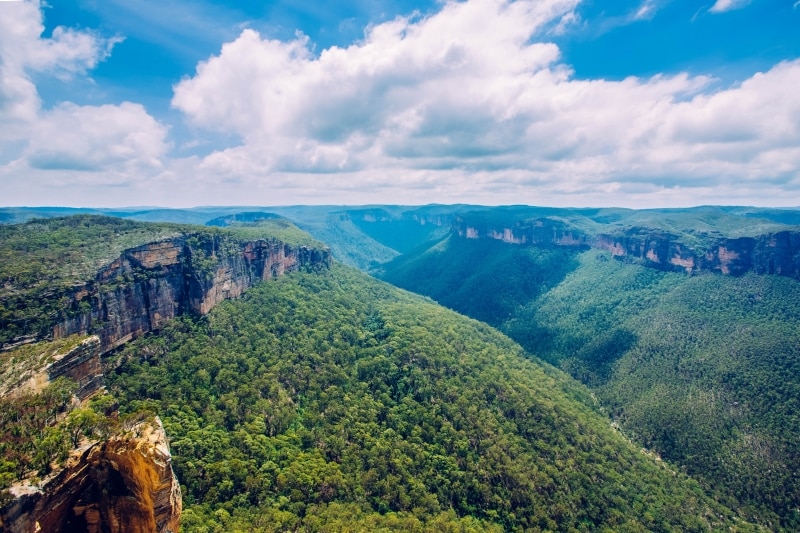
The World Heritage-listed Blue Mountains National Park, west of Sydney, is dotted with charming villages, dramatic waterfalls, plunging cliffs and rugged bushwalking tracks.

Day 4: Sydney to Alice Springs

3hrs 2,022km (1,256mi)

From Sydney, move on to the beating heart of the outback, the Northern Territory town of Alice Springs.

Day 5: Alice Springs to Uluru

5hrs 468km (291mi)

Make the drive (or fly) from Alice Springs to Uluru. The mammoth red monolith isn’t just an Australian icon, it’s also a deeply sacred place.

Day 6: Uluru to Kata Tjuta

0.5hrs 56km (35mi)

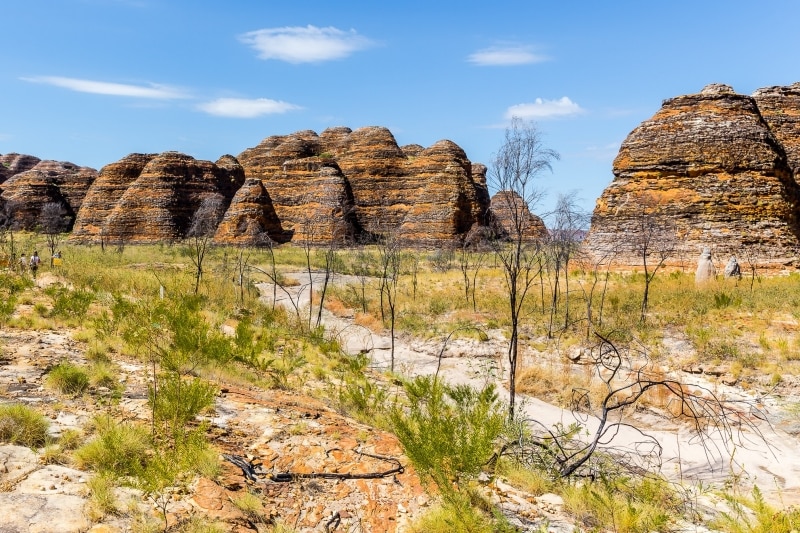
From Uluru, drive to Kata Tjuta, a natural wonder of ochre-coloured domes emerging from the desert.

Day 7: Uluru to Brisbane

3hrs 2,216km (1,376mi)

Fly to Brisbane, the capital of Queensland and a river city known for its thriving arts scene.

Day 8: Brisbane to Cairns

2.5hrs 1,700km (1,056mi)

Fly from Brisbane to Cairns, the gateway to the Great Barrier Reef and the Daintree Rainforest.

Day 9: Great Barrier Reef cruise from Cairns

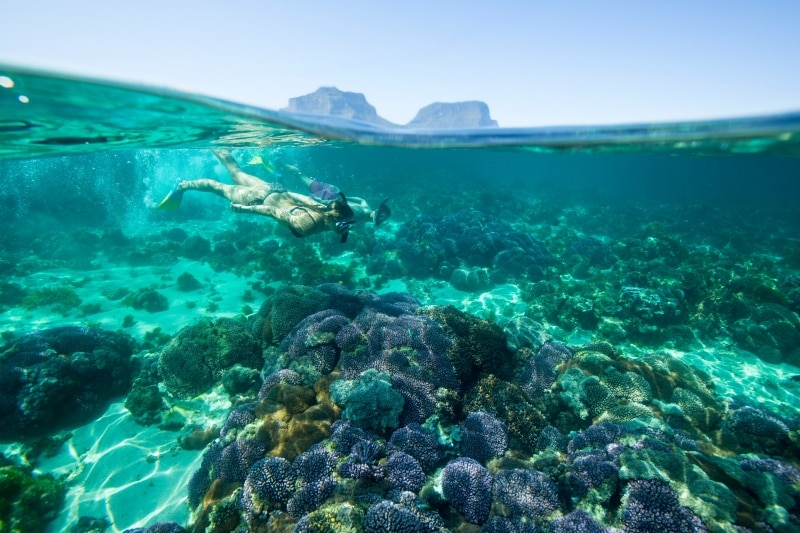
Stretching 2,300km (1,430mi), the Great Barrier Reef is made up of thousands of coral reefs and hundreds of islands.

Day 10: Cairns to the Daintree Rainforest

2.5hrs 124km (77mi)

One of Australia’s most magnificent natural wonders, the Daintree Rainforest is an easy drive from Cairns.

Frequently Asked Questions

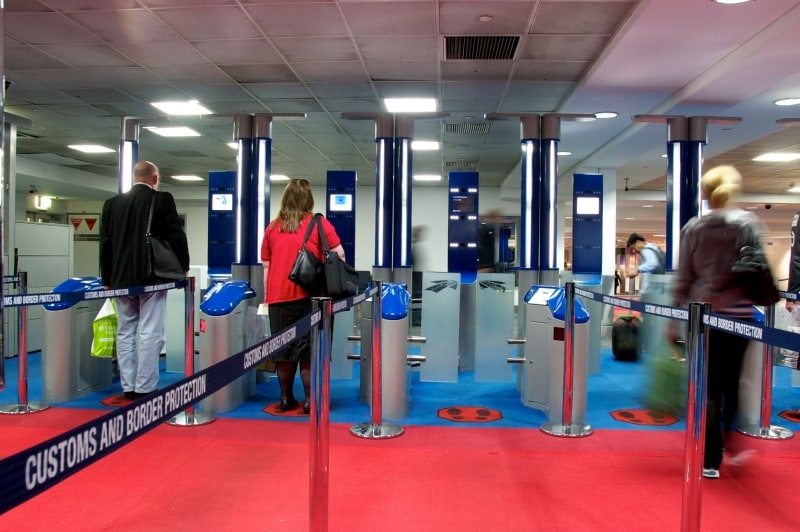
Yes, if you’re travelling to Australia from the United States, you’ll need to obtain a visa before you arrive. The good news is that the process is simple and can be completed online.

Most U.S. passport holders are eligible for an Electronic Travel Authority (ETA), which allows you to visit Australia for tourism or business purposes for stays of up to three months at a time. The application is quick, and in many cases approval is granted within a short period, making it easy to organise before your trip.

It’s important to apply in advance of your departure, as visas are not available on arrival. You’ll also need to ensure your passport is valid for the duration of your stay. Once approved, your visa is electronically linked to your passport, so there’s no need for any physical paperwork when you arrive.

For the most up to date information, visit the Department of Home Affairs website.

Yes, if you’re travelling to Australia from the United Kingdom, you’ll need to obtain a visa before you arrive. The good news is that for most travellers, the process is quick and easy to complete online.

British citizens are typically eligible for an electronic visitor visa, such as the eVisitor visa (which is free) or an Electronic Travel Authority (ETA). These options allow you to visit Australia for tourism or business purposes, usually for stays of up to three months at a time.

It’s important to apply before you travel, as visas are not available on arrival. You’ll also need to ensure your passport is valid for the duration of your stay, and that all application details are correct to avoid any delays. Once approved, your visa is electronically linked to your passport, so there’s no need for any physical paperwork when you arrive.

For the most up to date information, visit the Department of Home Affairs website.

Yes, if you’re travelling to Australia from China, you’ll need to obtain a valid visa before you arrive. For most short-term visits, Chinese passport holders apply for a Visitor visa (subclass 600) online. This visa allows you to travel for tourism or business purposes, with stays typically ranging from three to 12 months depending on the conditions granted.

It’s recommended to apply well in advance of your trip and ensure all details are accurate to avoid delays. Once approved, your visa will be electronically linked to your passport, allowing for a smooth arrival into Australia.

For the most up to date information, visit the Department of Home Affairs website.

Yes, this itinerary is ideal for first-time visitors, as it brings together some of the country’s most iconic highlights in a well-paced and manageable journey. From the vibrant city life of Sydney to the natural wonders of Uluru and the tropical beauty of the Great Barrier Reef, it offers a great introduction to Australia’s diversity.

The most efficient way to travel between these destinations is by air. Direct domestic flights connect Sydney with Uluru, as well as key gateway cities for the Great Barrier Reef such as Cairns or Hamilton Island. Because the distances are significant, flying is the best way to maximise your time in each location while keeping the journey smooth and comfortable.

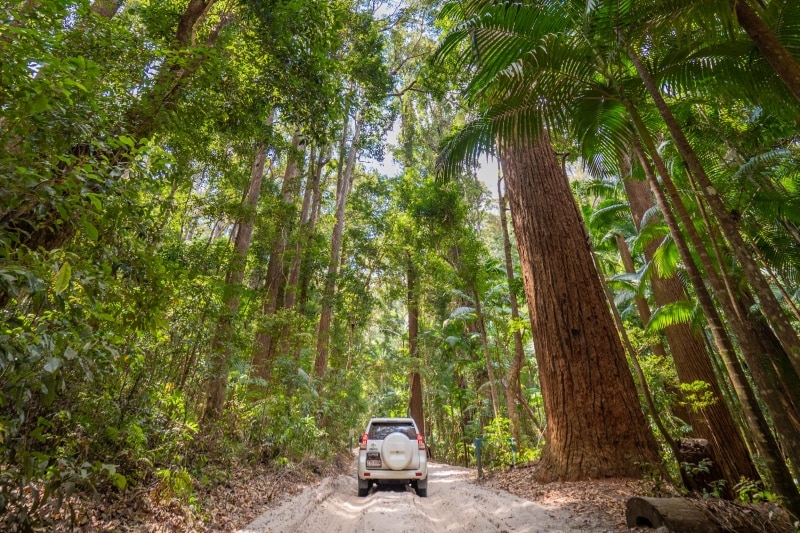
If you’d like to include some driving, there are also great opportunities to explore at a slower pace once you’re in each region. For example, you can easily travel between Cairns and the Daintree Rainforest or explore the journey between Alice Springs and Uluru in the Red Centre.

Australia is a great year-round destination, and the “best” time to visit really comes down to the kind of experience you’re looking for. Many travellers find the shoulder seasons of spring (September to November) and autumn (March to May) especially enjoyable. During these months, you’ll typically find mild temperatures, fewer crowds and great conditions for getting out and exploring. Summer (December to February) brings warm conditions ideal for coastal getaways and a host of festivals and events, while mild winter weather (June to August) offers epic snow experiences and unique seasonal nature events.

Seasons are experienced differently across Australia, so the ideal timing can vary by region. The tropical north is at its best during the dry season (May to October), with sunny days and comfortable humidity, while southern cities like Sydney and Melbourne really come alive in summer, with long days, beach weather and a vibrant calendar of events.

It’s also worth keeping an eye on Australian school holiday periods, when locals tend to travel and popular destinations can be busier than other times of the year. To plan around peak periods, see Australian school holiday dates here.

Getting around Australia can be very different from travelling in countries like the United States or China, so it’s worth planning ahead. In Australia, driving is on the left-hand side of the road, which may take some adjustment if you’re used to driving on the right.

Distances between destinations can also be much greater than they appear on a map, and services such as fuel stations, restaurants and rest stops can be limited outside major cities and towns. This is especially important to keep in mind when travelling to regional areas or on longer road trips.

If your driver’s licence is not printed in English, you’ll also need to carry either an English translation or an International Driving Permit. If you require an International Driving Permit, you should apply before your arrival into Australia.

Some parts of this itinerary include self-driving or organised transfers, which offer flexibility but require confidence behind the wheel. If you’re not comfortable driving on the left or covering long distances, guided tours and private transfers are widely available and can be a convenient alternative.

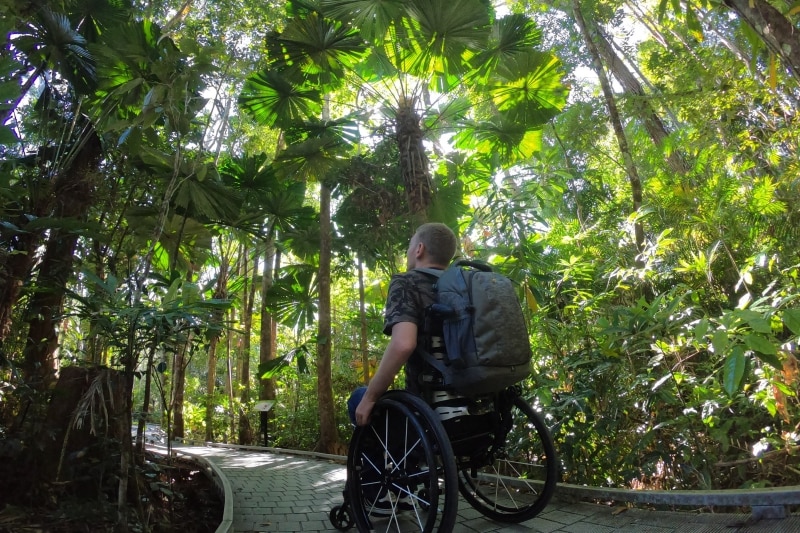
There are plenty of ways for travellers with accessibility needs to enjoy the Blue Mountains, and many of the most famous sights are thoughtfully designed to be as inclusive as possible.

One of the easiest and most rewarding viewpoints is Echo Point, where you can see the iconic Three Sisters rock formation. The area features wheelchair-accessible pathways, viewing platforms and facilities, making it a comfortable spot to take in the sweeping valley views without needing to navigate uneven terrain.

A standout experience is Scenic World, which offers accessible attractions such as the Skyway and Cableway. These rides provide incredible panoramic views over the Jamison Valley, allowing you to experience the dramatic landscape in a relaxed and supported way.

There are also selected accessible walking tracks and lookout points throughout the region, where boardwalks and well-maintained paths lead to waterfalls and forested scenery. While accessibility varies between sites, many of the most popular viewpoints are designed with ease of access in mind.

Getting around is also relatively straightforward, with accessible public transport options like buses and taxis available, as well as guided tours that can offer a more personalised experience. Because conditions can differ between locations, it’s always a good idea to check accessibility details in advance when planning your visit.