





































How to lower your impact on the Great Barrier Reef
Lower your impact on the world’s largest coral reef system with these five simple steps.
By Sarah Reid
Brimming with biodiversity and natural wonder, the World Heritage-listed Great Barrier Reef is one of Australia’s most spectacular holiday playgrounds. But it’s important to be mindful of how your visit can affect this living masterpiece. By making conscious efforts to minimise your environmental footprint during your visit, you can help protect this dazzling marine ecosystem for the enjoyment of future generations. Here's how.
1. Opt for eco-certified accommodation

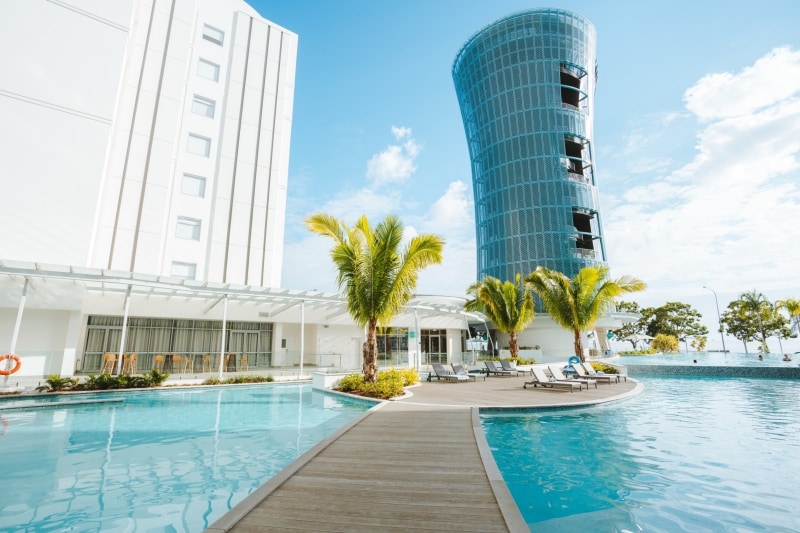
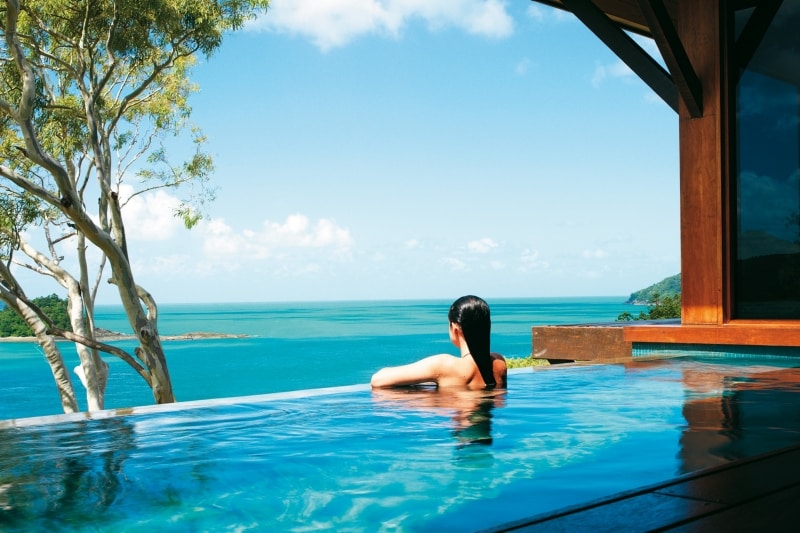
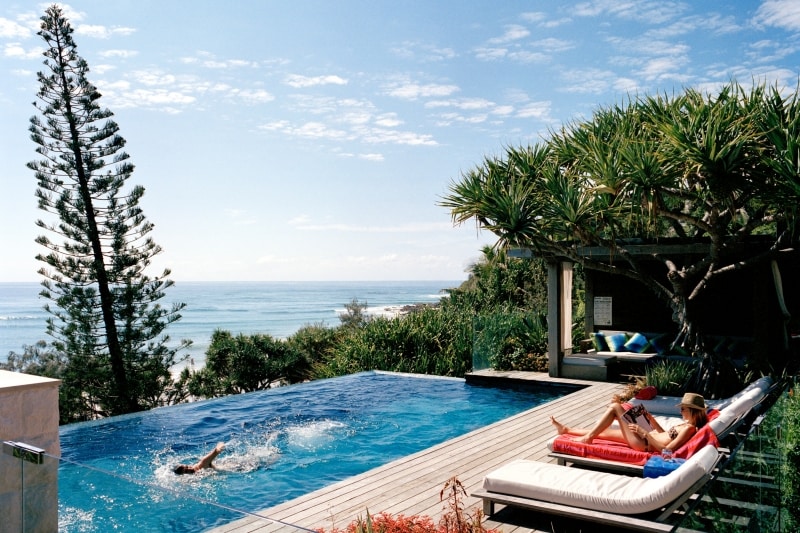
Elysian Retreat, Whitsunday Islands, Queensland © Elysian Retreat/Nathan White
The Great Barrier Reef region is home to some of Australia’s top eco-lodges. As well as being unforgettable stays, these lodges are committed to minimising their impact on the natural environment surrounding the reef and protecting the incredible marine life that calls this vast area home.
As famous for its manta ray population as it is for its sustainability initiatives, Lady Elliot Island, at the reef’s southern tip, was the first Great Barrier Reef resort to ban plastic water bottles. It also holds Advanced Ecotourism Certification from Ecotourism Australia, uses over 1,000 solar panels and has an on-site treatment plant that ensures zero wastewater is pumped into the ocean.
The luxurious Elysian Retreat, located on Long Island in the Whitsundays, is the Great Barrier Reef’s first solar-powered resort – and is also eco-certified by Ecotourism Australia.
And on the mainland, just a 15-minute drive south of Port Douglas (or a one-hour drive north of Cairns), the eco-certified Thala Beach Nature Reserve has been recognised for its commitment to regenerating the former cane plantation that this seaside lodge sits on.
2. Look after the reef

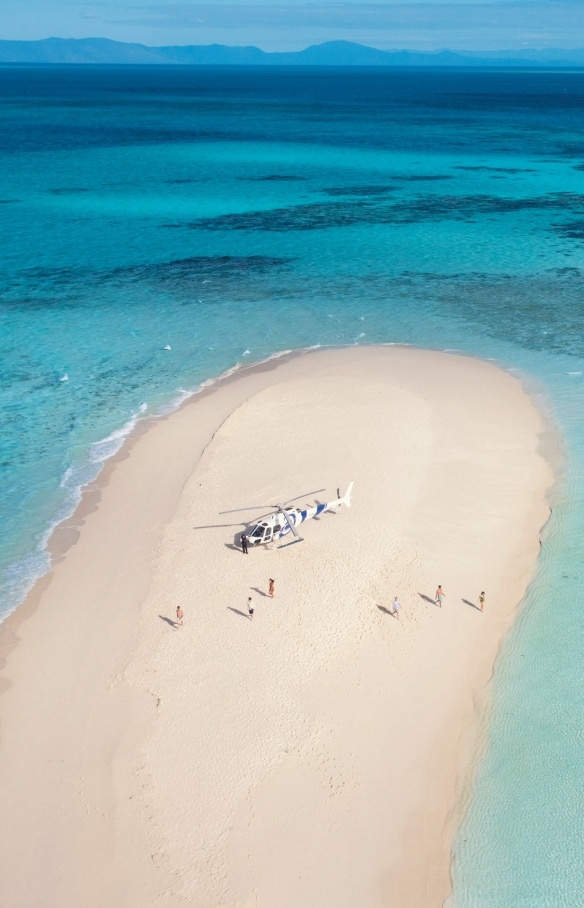
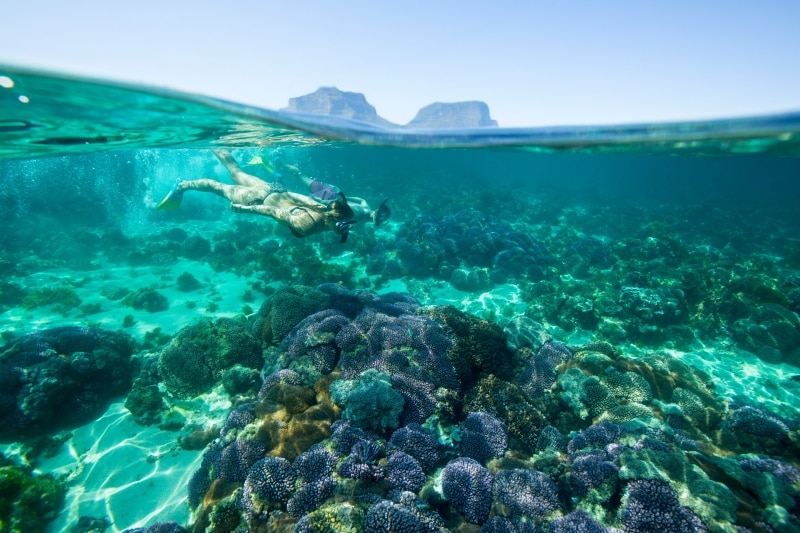
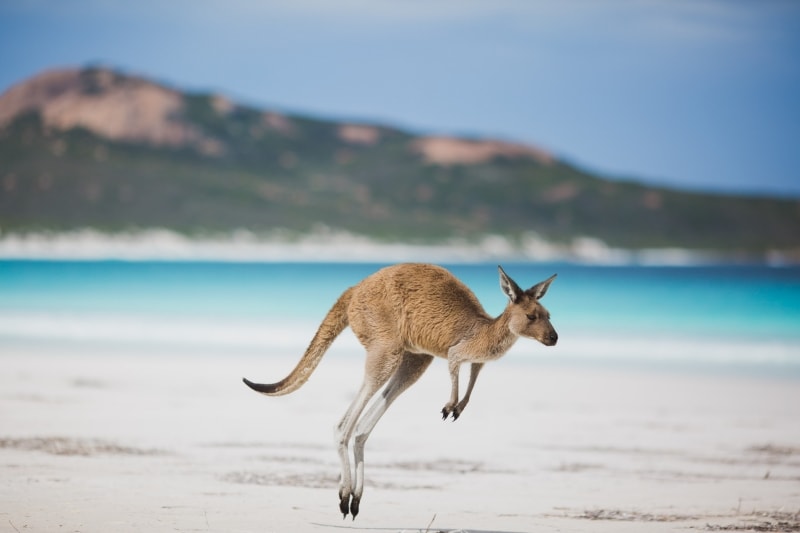
Lady Musgrave Island, Great Barrier Reef, Queensland © Tourism and Events Queensland
Read Next
7 great holiday ideas for the conscious traveller
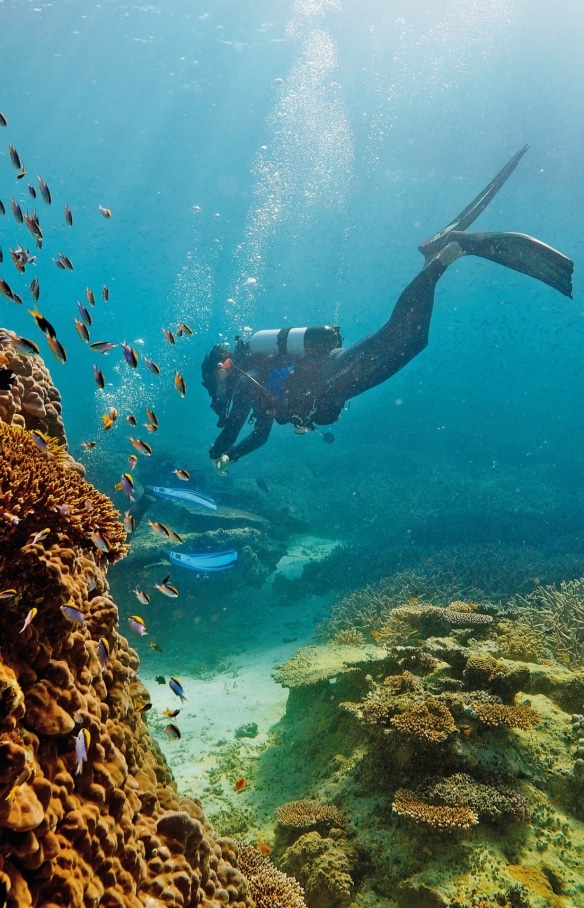
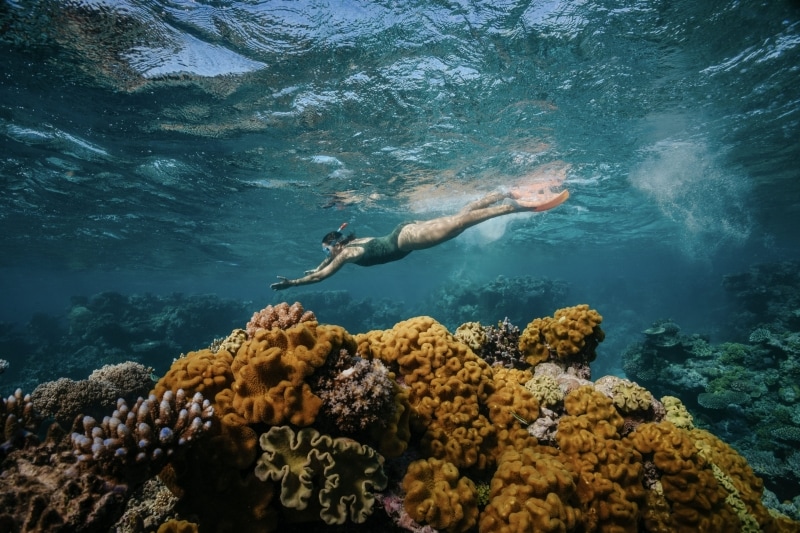
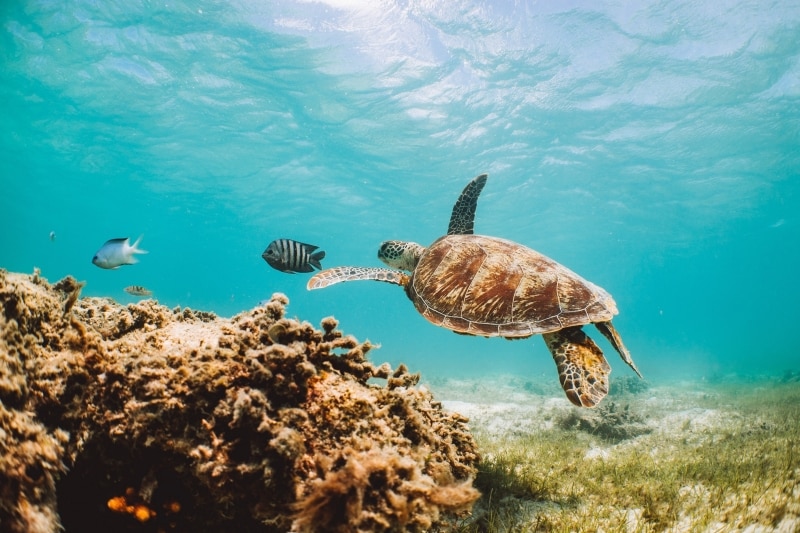
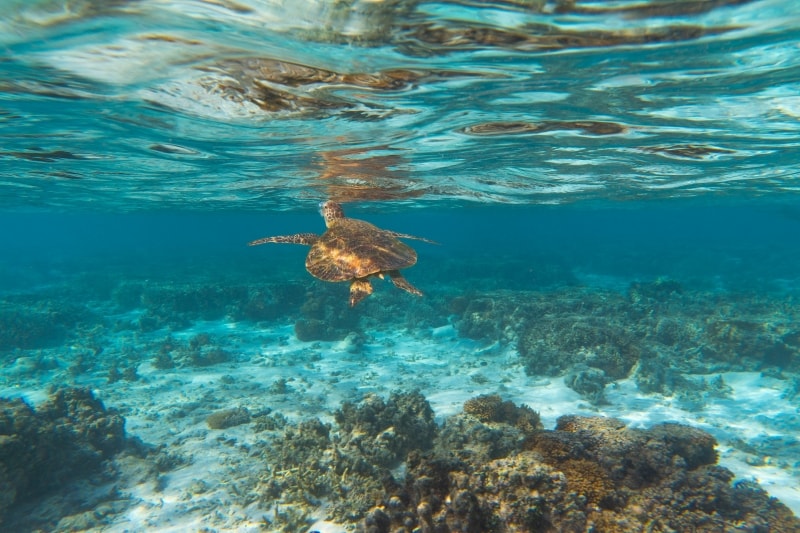
Let the saying “take only pictures, leave only bubbles” be your motto while visiting the Great Barrier Reef which, despite being the world’s largest living organism, is also incredibly fragile. Do your bit to help prevent damage to the reef by avoiding contact with coral (hint: be mindful of your fins when snorkelling or diving), and not taking any souvenirs – yes, even seashells on the beach are a big no-no.
Think about what you put on before you get in the water too; some ingredients commonly found in sunscreens can damage coral, so pack a natural sunscreen for your next Great Barrier Reef holiday.
And whether you’re at home or on the reef, limiting your use of single-use plastics will help stop them finding their way to the ocean, where they can wreak havoc on seabirds and marine life.
3. Support reef-friendly businesses

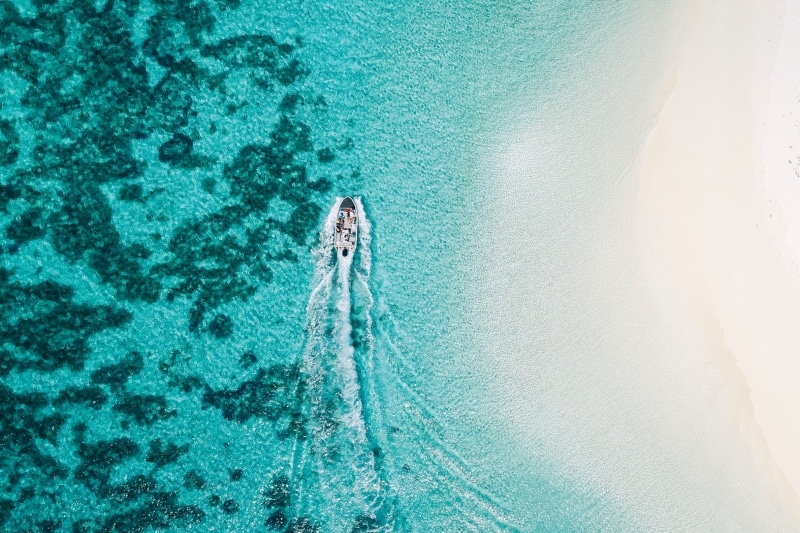
Sailaway Reef & Island Tours, Port Douglas, Queensland © Tourism Australia

Sign up for reef school
Based in Cairns, Reef Teach hosts marine biologist talks that foster a greater understanding and appreciation of the Great Barrier Reef.
Supporting locally run businesses when you visit the Great Barrier Reef is great, but supporting ventures dedicated to safeguarding the natural environment can be even more impactful.
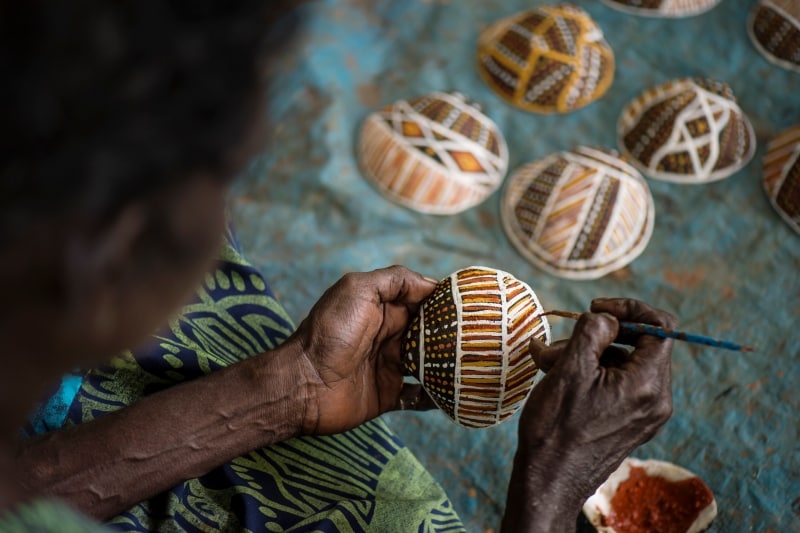
These can be eateries committed to serving ethical local produce (such as Julaymba Restaurant at Daintree Ecolodge), eco-certified and High Standard Operators that integrate education about preservation of the reef into the travel experience (such as Cairns-based Passions of Paradise sailing tours), or even Aboriginal and Torres Strait Islander-run activity operators who share traditional wisdom about treading gently on the environment (such as Dreamtime Dive & Snorkel in Cairns). Whatever tour you choose, look out for one of the reef's Master Reef Guides during your visit, who will be sure to provide up-to-date information and tips on making a difference.
4. Enjoy low-impact activity options

Kuku Yalanji Cultural Habitat Tours, Cooya Beach, Queensland © Tourism and Events Queensland

Getting Around Tip
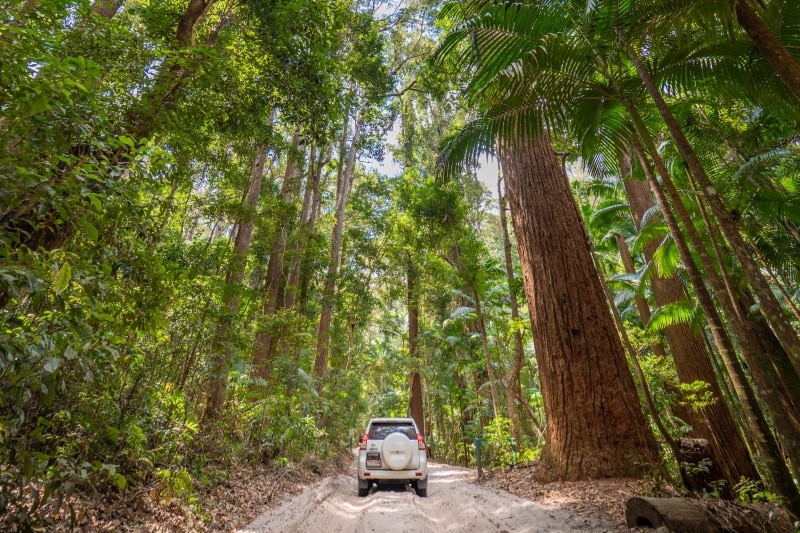
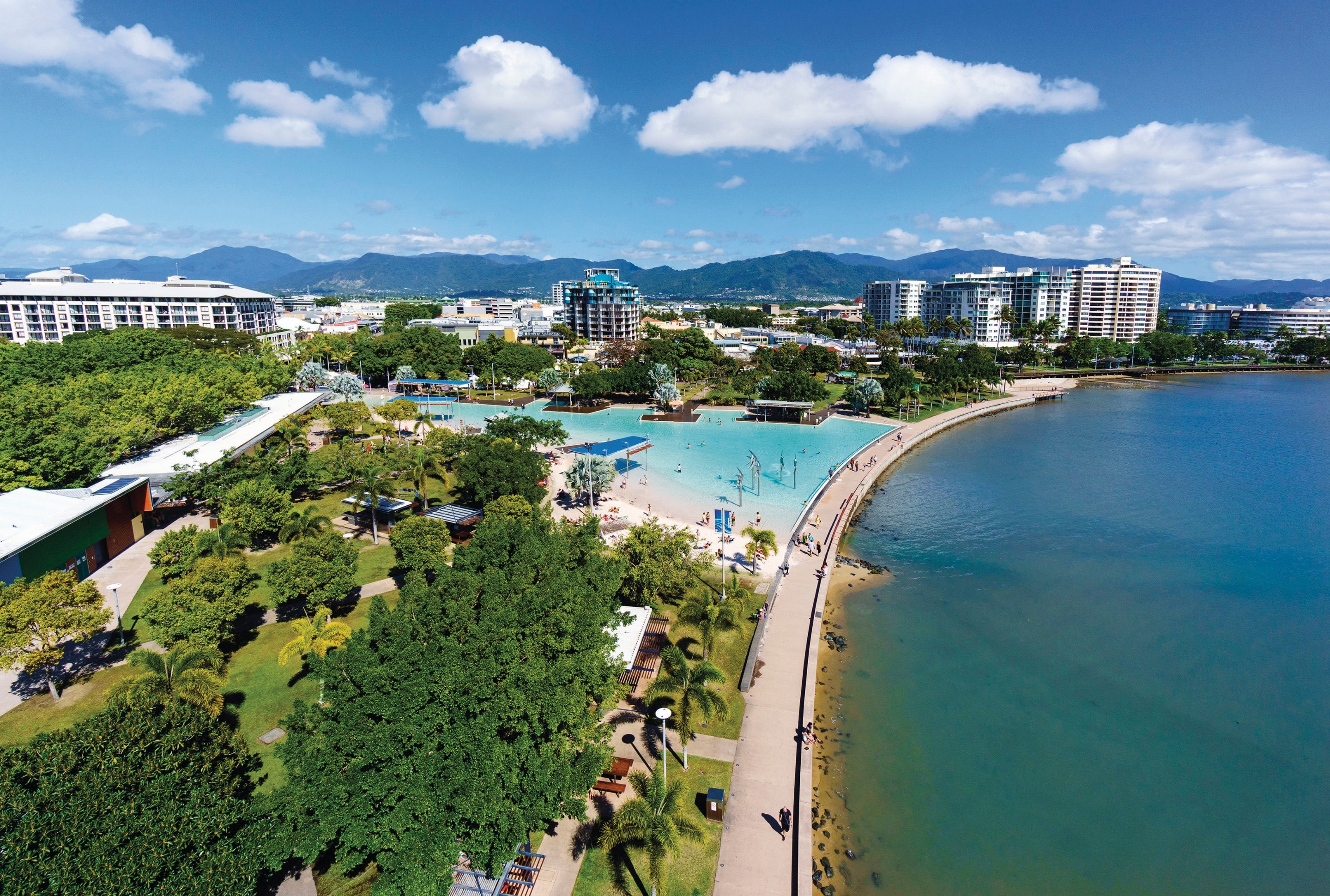
Exploring the Cairns & Great Barrier Reef coast by car? Consider hiring an electric vehicle, as there are free charging stations at major attractions such as the Cairns Esplanade and Mossman Gorge Visitor Centre.
Visitors to the Great Barrier Reef contribute to its conservation via an environmental management charge (EMC) applied to reef tours, which supports various reef recovery projects. But by considering a low-impact experience or two, you can help keep your footprint light.
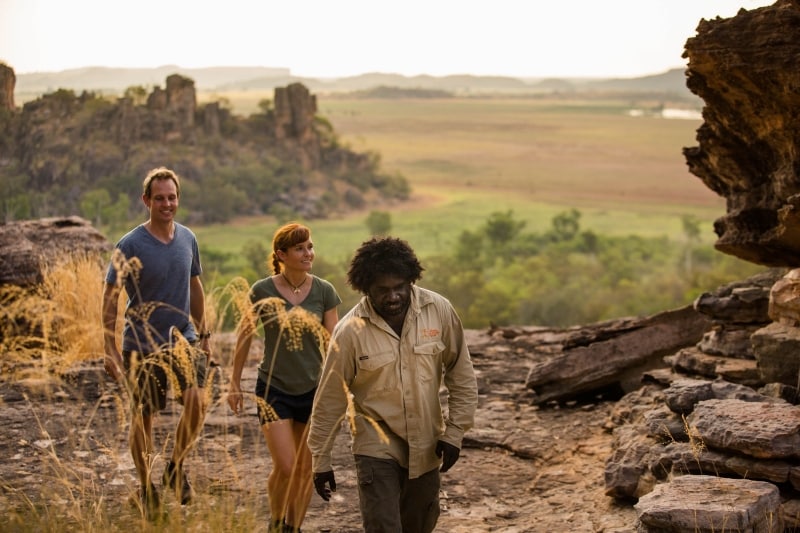
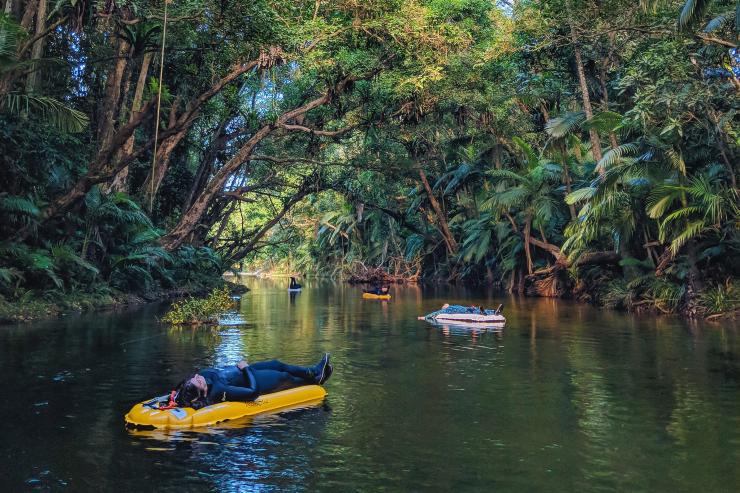
Just north of Port Douglas, you can learn how to hunt mud crabs using traditional Aboriginal fishing techniques with Walkabout Cultural Adventures or Kuku Yalanji Cultural Habitat Tours. Staying in Airlie Beach on the Whitsunday Coast? Active travellers can opt to explore the Whitsunday Islands by kayak on a guided tour with Salty Dog Sea Kayaking.
5. Be a citizen scientist
Citizen science projects offer non-scientists an opportunity to contribute to the Great Barrier Reef’s long-term protection – you can even participate in some of them remotely. Among the more accessible citizen-science initiatives is the free Eye on the Reef app, which invites you to log information about reef health, marine animals, incidents and more after visiting the reef, perhaps on a snorkelling tour. This data is then used to inform sustainable reef management.
You can also opt to join the Citizens of the Great Barrier Reef by making an online pledge to take simple actions to save the reef (such as avoiding single-use plastics), and helping to inspire collective impact on a global scale.