


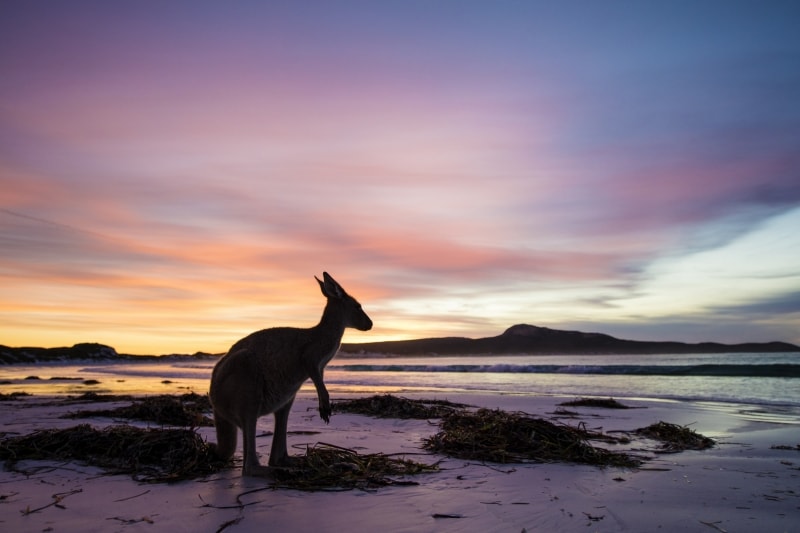

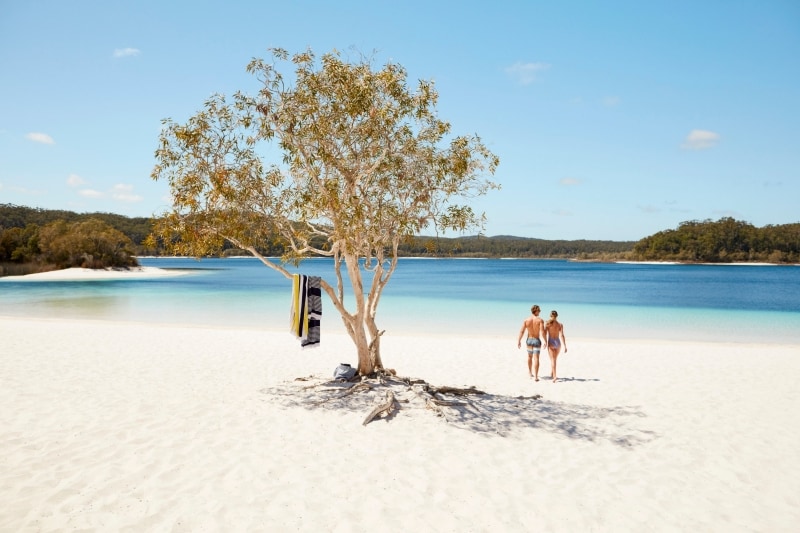







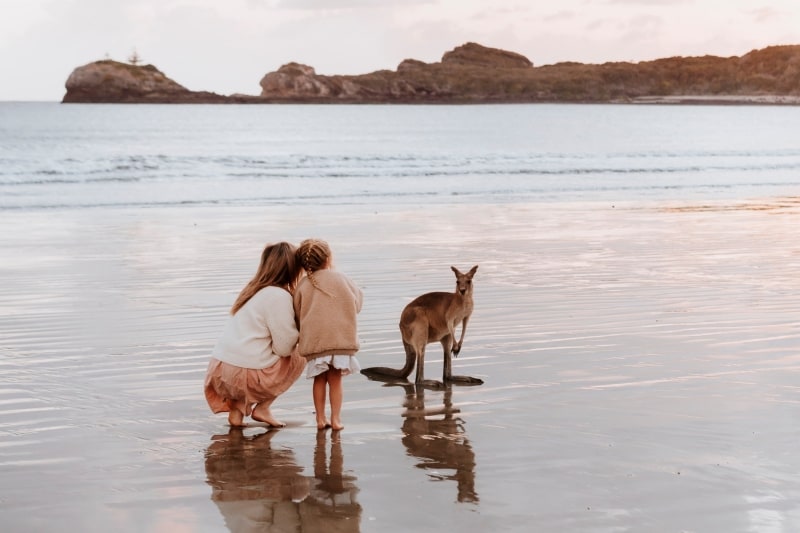


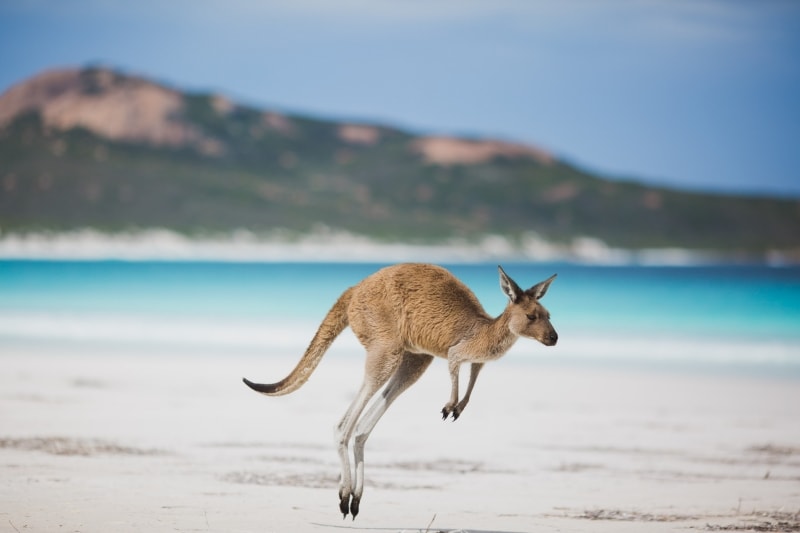



A couple admiring a kangaroo on the beach at Lucky Bay, Cape Le Grand National Park, Western Australia © Tourism Australia

Lucky Bay, Cape Le Grand National Park, Western Australia © Tourism Australia

12-day road trip through Western Australia's Southwest Edge


Trip Overview

12 days
ferry, car
1,407km (874mi)

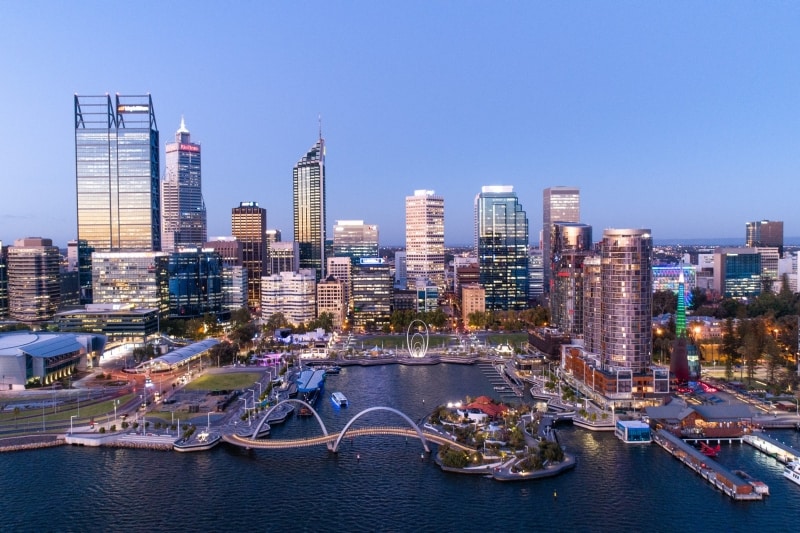
Day 1: Rottnest Island and Fremantle

1hrs 42km (26mi)

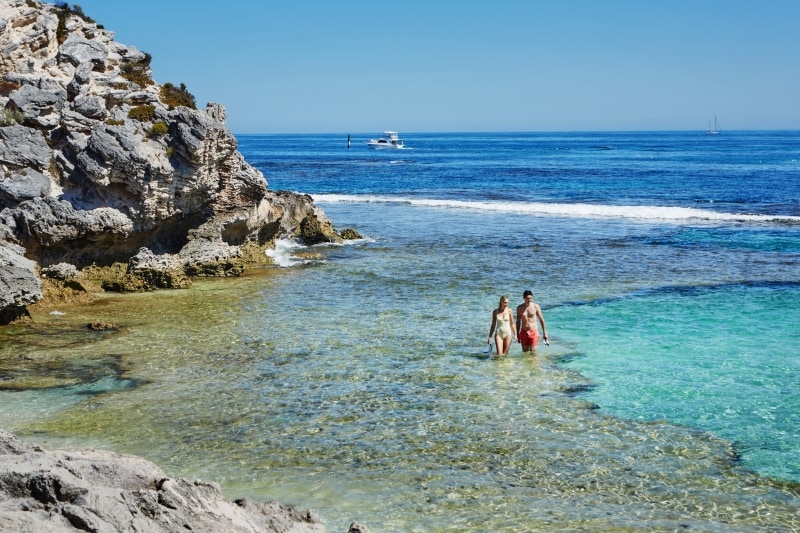
Take the ferry to Rottnest Island to revel in pristine nature and spot quirky local wildlife before unwinding in Fremantle.

Day 2: Fremantle to Mandurah

1hrs 76km (47mi)

Fuel up in Fremantle before driving south to explore the coastal charm and splendour of Mandurah.

Day 3: Mandurah to Bunbury

2hrs 147km (91mi)

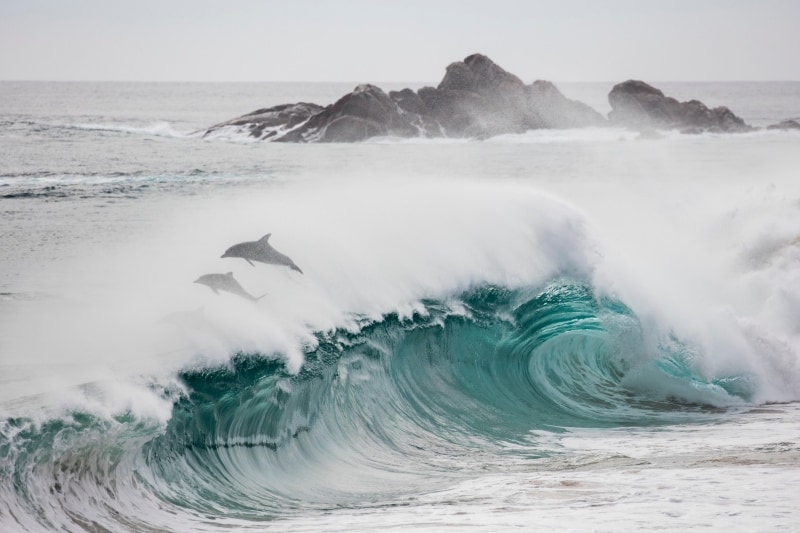
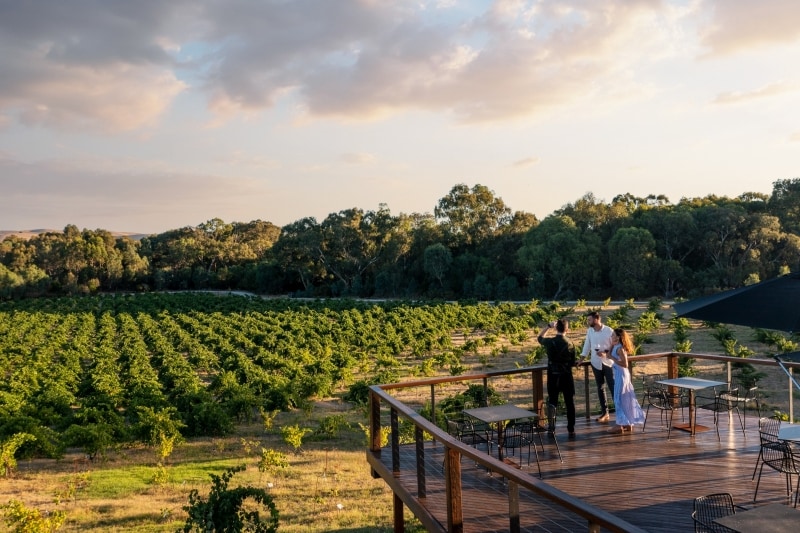
Slow your pace with a relaxing morning before an exciting afternoon of vineyard hopping and dolphin swims around Bunbury.

Day 4: Bunbury to Margaret River

1.5hrs 94km (58mi)

Make your way to Busselton, located on the family-friendly haven of Geographe Bay, where adventures amid stunning scenery await.

Day 5: Margaret River

From laid-back wine tours to thrilling coastal adventures, curate the perfect day exploring the Margaret River region.

Day 6: Margaret River to Hamelin Bay

1.5hrs 82km (51mi)

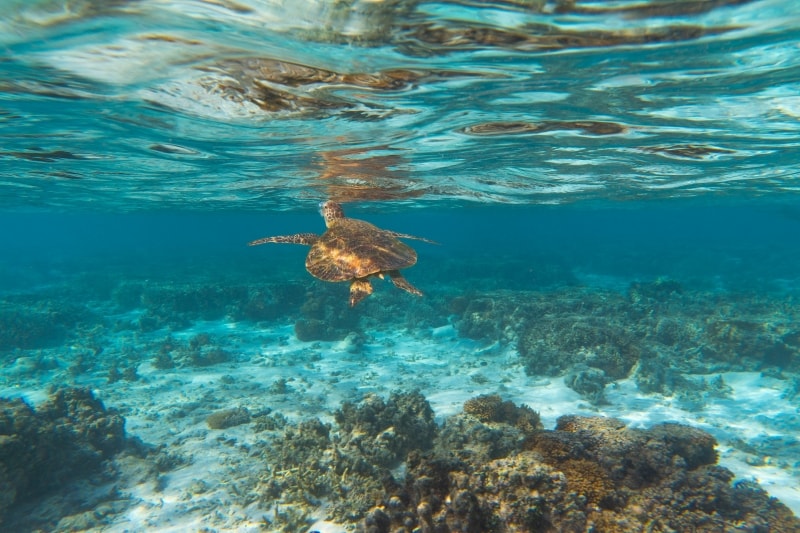
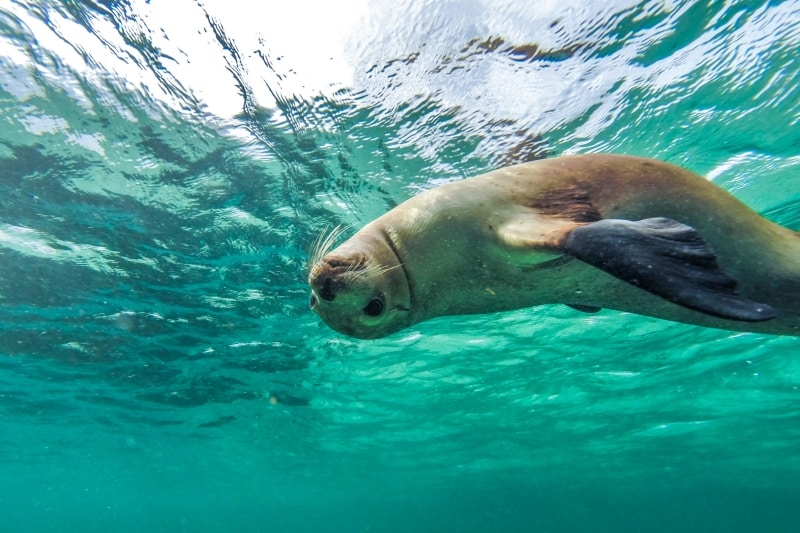
Explore the cultural side of the Margaret River region, dine on world-class local produce and admire the marine life of Hamelin Bay.

Day 7: Hamelin Bay to Pemberton

3hrs 244km (152mi)

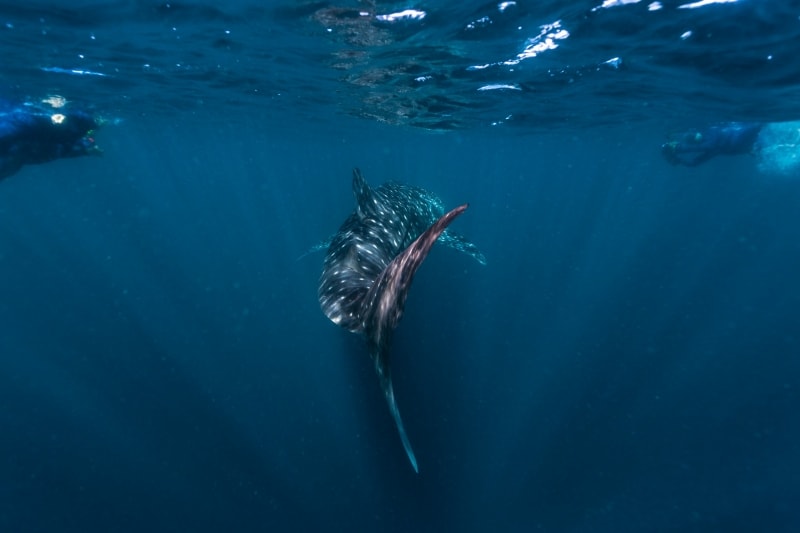
Make your way to Augusta to marvel at whales and dramatic coastlines before enjoying the trees and truffles of Pemberton.

Day 8: Pemberton to Denmark

3hrs 220km (137mi)

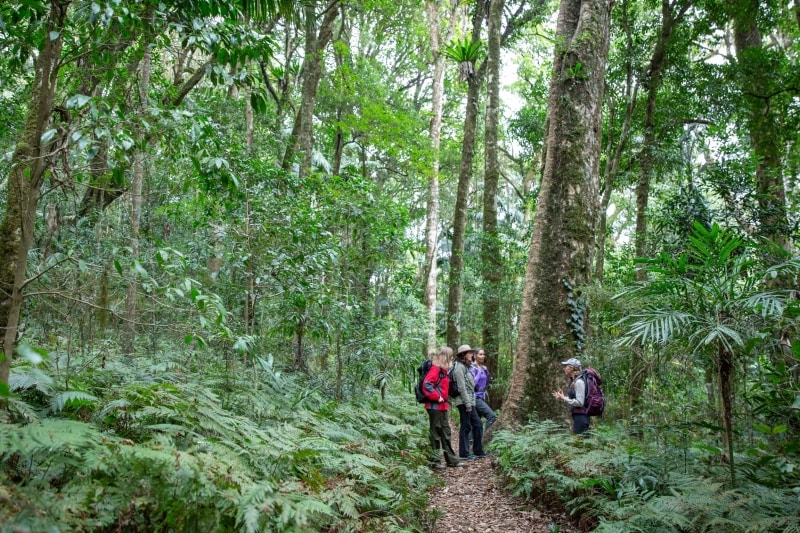
From the beach to the bush, today is a balance of adventurous tours and scenic sightseeing at your own, leisurely pace.

Day 9: Denmark to Albany

2hrs 135km (84mi)

Today, make a leisurely drive to Albany, stopping at wineries, museums and scenic lookouts.

Day 10: Albany to Bremer Bay

3hrs 241km (150mi)

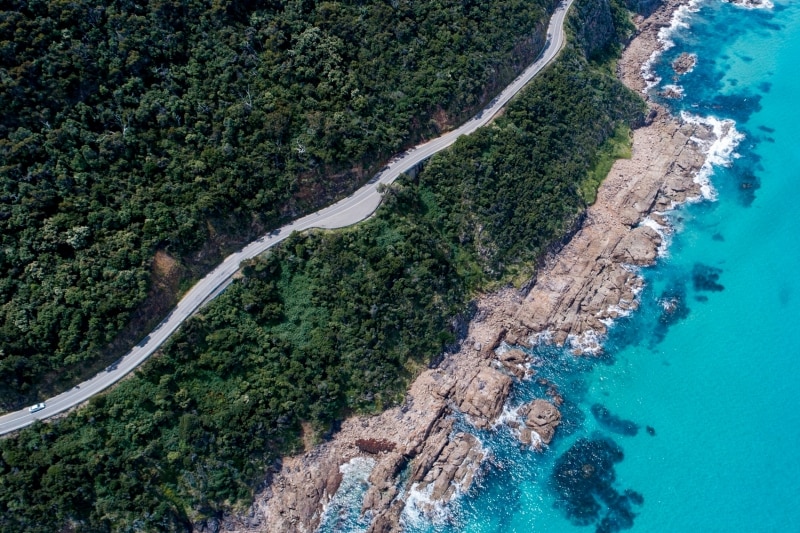
Expect epic views as you wind your way toward Bremer Bay, known for its population of orcas.

Day 11: Bremer Bay to Hopetoun

4.5hrs 360km (224mi)

A drive lies ahead, but you can’t leave Bremer Bay without spotting its famous marine giants.

Day 12: Hopetoun to Esperance

4hrs 342km (212mi)

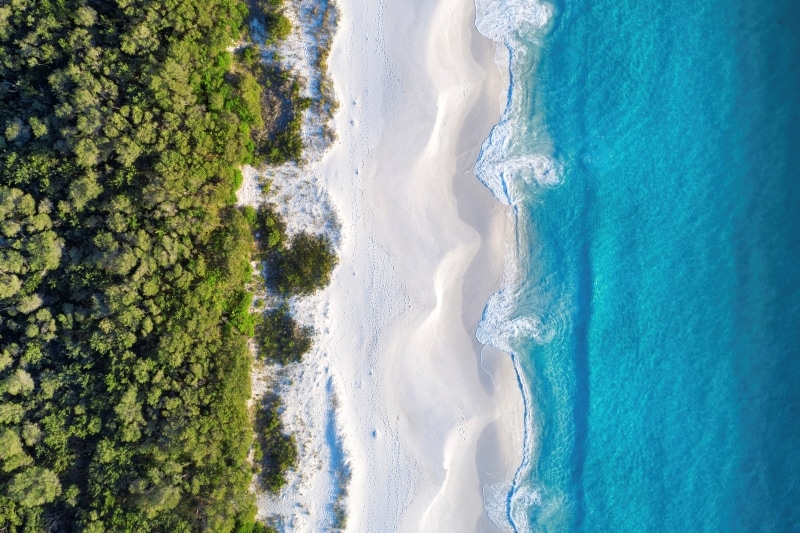
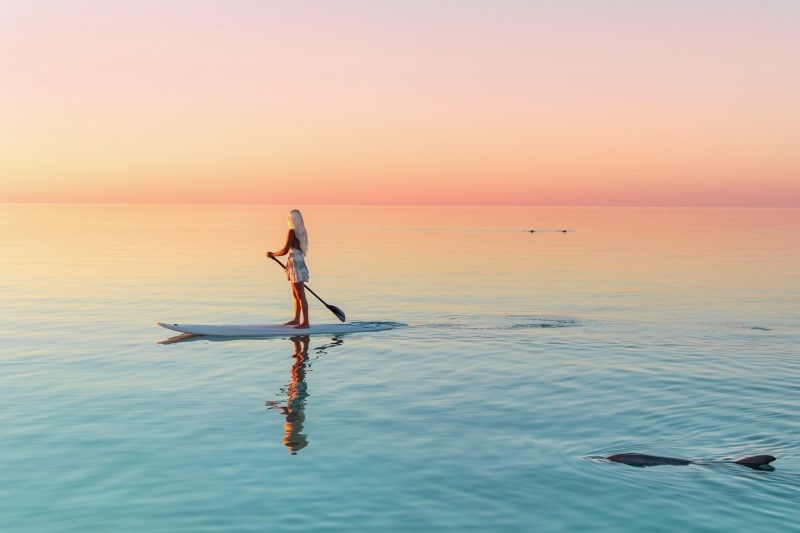
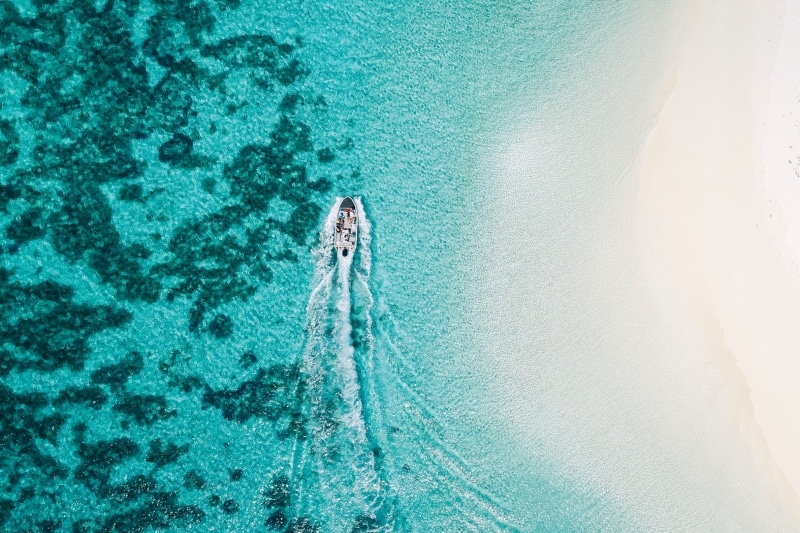
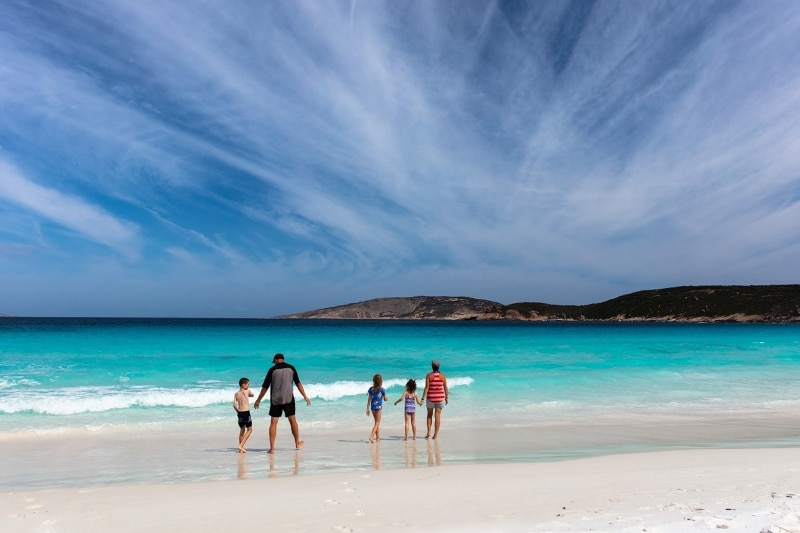
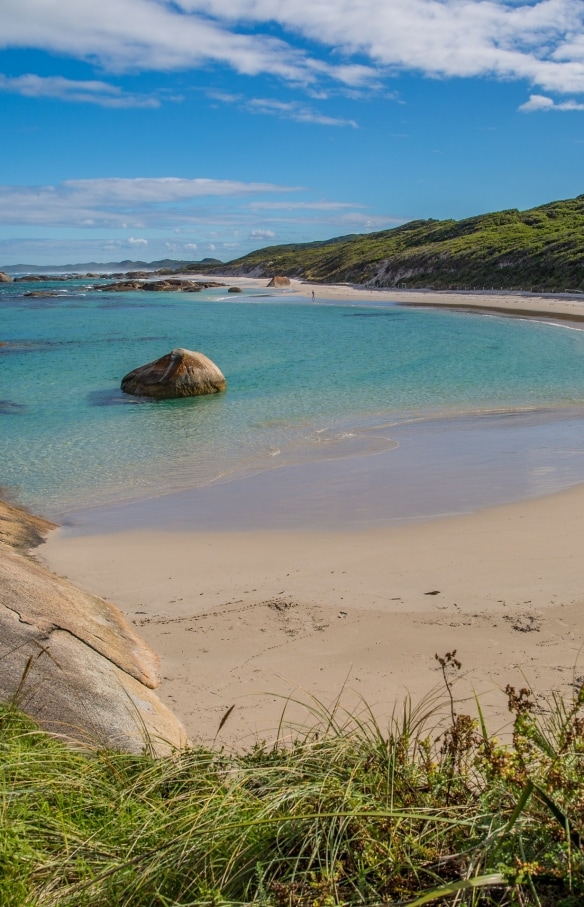
Depart Hopetoun and set your sights on Esperance, a place where kangaroos hop along bright white beaches. Coastal adventures here are endless; spot playful dolphins and whales, take a scenic flight over pink-hued lakes and float in the shallows of impossibly blue waters. 

Day 13 : Esperance to Rainbow Lakes

1hrs 53km (33mi)

A Stonehenge replica and pink-hued lakes – today is anything but expected.

Frequently Asked Questions

This self-drive journey through south-west Australia is truly spectacular, but it’s important to be prepared for local road rules and regional driving conditions.

In Australia, you drive on the left-hand side of the road. Seatbelts are compulsory for all passengers, and children must use an approved child car seat that is suitable for their age and size.

You’ll need a valid overseas driver’s licence to drive, and in some cases an International Driving Permit may also be required, so it’s best to check before you travel.

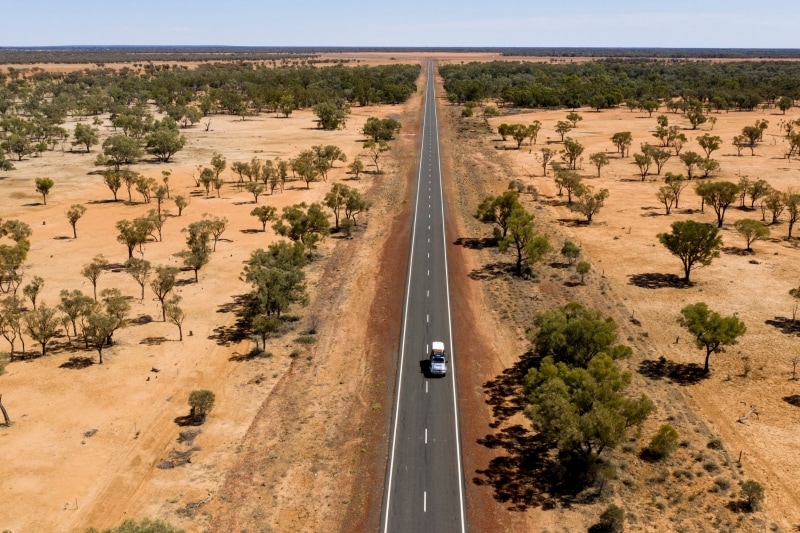
Speed limits are clearly signposted: generally around 50km/h in towns and 100–110km/h on open highways. Roads between major destinations, including routes around Perth, are typically sealed and in good condition. However, once you head into regional areas, you may encounter long, quiet stretches with fewer services.

Planning ahead is essential. Fuel stops can be far apart, so avoid letting your tank run low. Take regular breaks to prevent fatigue, especially on longer driving days, and consider shorter distances when travelling with children.

Wildlife such as kangaroos is common, particularly at dawn and dusk, so extra caution is needed during these times. For safety, it’s best to avoid driving at night in rural areas.

With good preparation, driving in this part of Australia is safe, relaxed and one of the best ways to experience this special place at your own pace.
Most of this itinerary can be done comfortably in a standard 2WD vehicle. The main roads connecting key destinations such as Perth, Margaret River and Albany are fully sealed, well-maintained and easy to drive. You’ll also find that fuel stops, towns and rest areas are regularly spaced along these routes, making it a straightforward and accessible drive for international visitors.

A 4WD is only necessary if you plan to venture beyond the main itinerary, for example, into more remote national parks, unsealed gravel roads or off-road coastal tracks. In those cases, conditions can be rougher and signage may be limited, so a suitable vehicle becomes important.

Mobile phone coverage on this south-west Australia road trip is generally good in towns, cities and along major highways. In larger centres such as Perth and other regional hubs, you’ll usually have strong and reliable service for calls, maps and travel planning.

However, in more remote coastal areas, forests, and national parks across Western Australia, reception can be patchy or may drop out entirely along some stretches. Because of this, it's best to download offline maps before you travel and keep key information saved in advance, rather than relying solely on mobile data. A physical map can also be a useful backup in more remote areas.

You can do this spectacular trip at any time of the year, but spring (September to November) and autumn (March to May) offer the most comfortable conditions for travelling.

These shoulder seasons offer mild, pleasant weather that’s ideal for coastal walks, forest hikes and sightseeing around Western Australia. Spring is especially spectacular, with colourful wildflowers blooming across the region, making drives and nature stops even more memorable.

Summer (December to February) can be very warm, particularly inland, which can make long driving days less comfortable. Winter tends to be cooler and may bring rain or occasional storms along the coast, though it can still be a beautiful time for fewer crowds and dramatic scenery.

For a south-west Australia road trip, it’s best to pack for a mix of city, coastal and regional conditions.

Bring light, comfortable clothing for warm days, plus a few warmer layers for cooler mornings and evenings. Swimwear is essential for beaches, along with comfortable walking shoes for exploring national parks and trails. As the Australian sun can be strong year-round, sun protection is a must, so pack a hat, sunglasses and sunscreen.

Because you’ll be travelling through regional areas of Western Australia, it’s also important to carry practical essentials such as a reusable water bottle, snacks and a basic first-aid kit. A phone charger or power bank, and offline maps or GPS, are highly recommended in case of limited reception in remote areas.