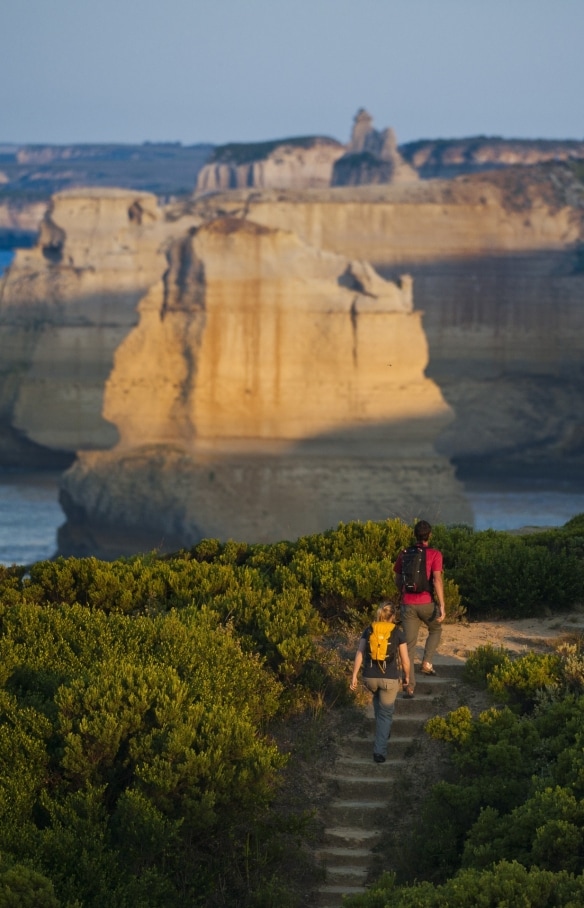
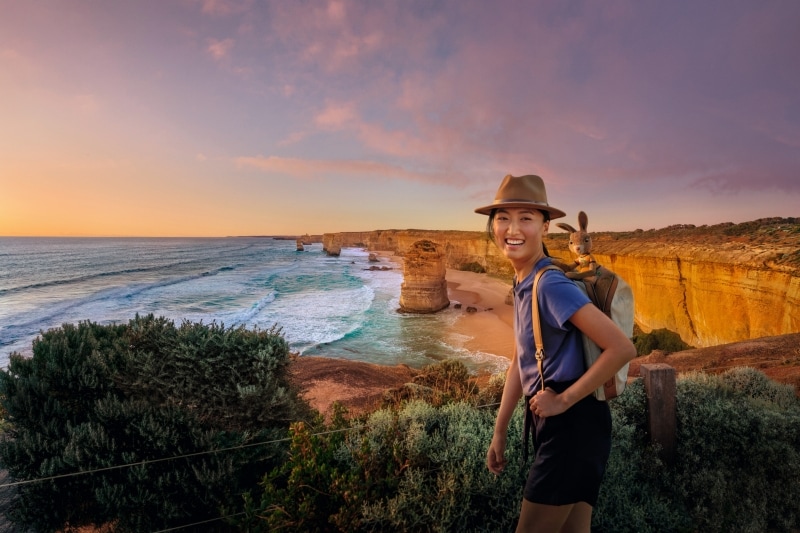




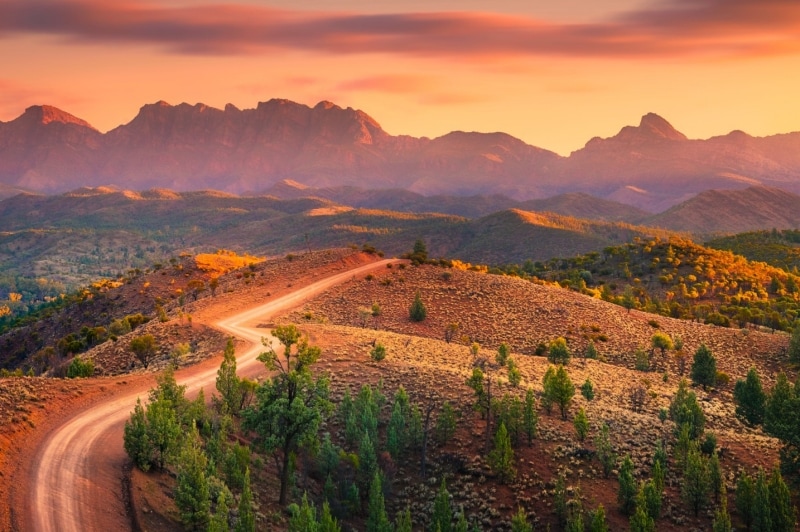
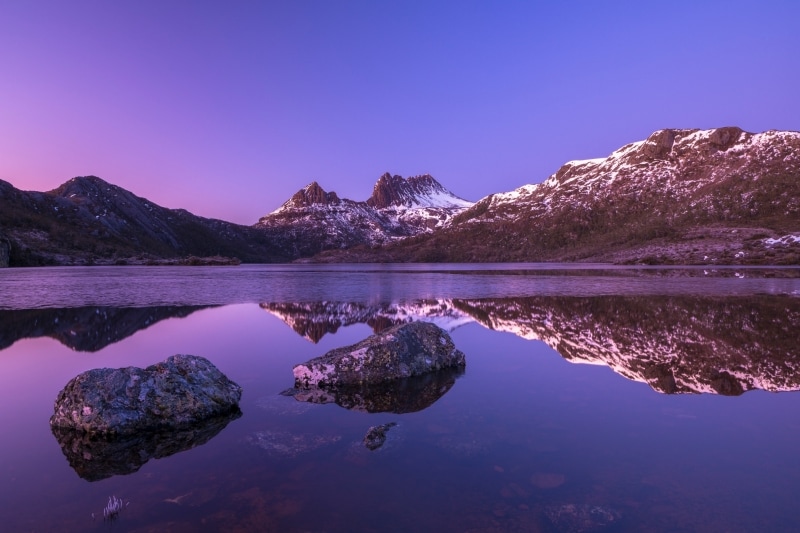
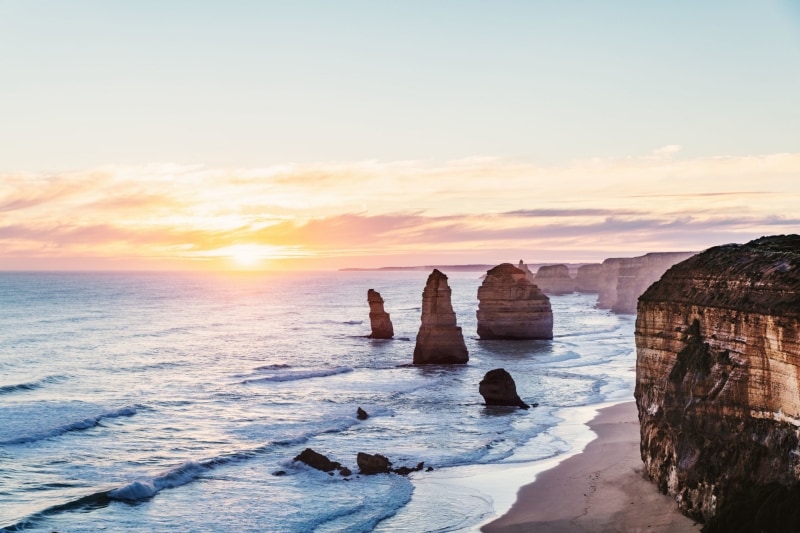
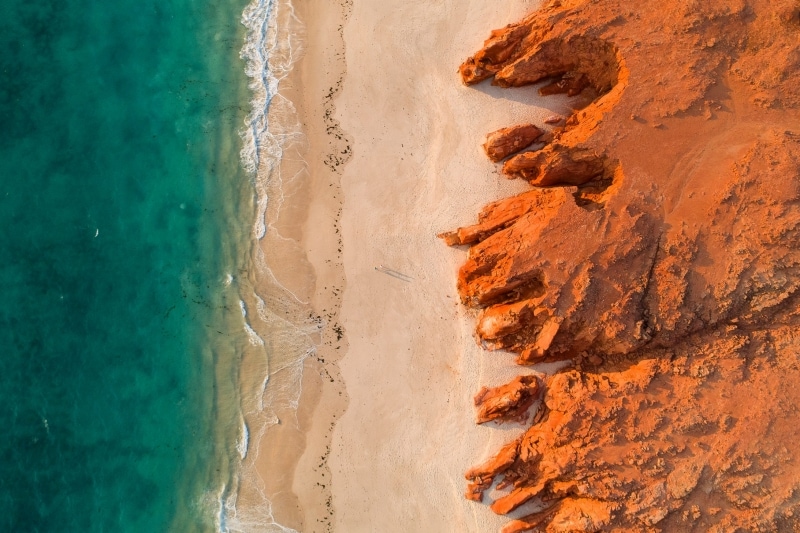









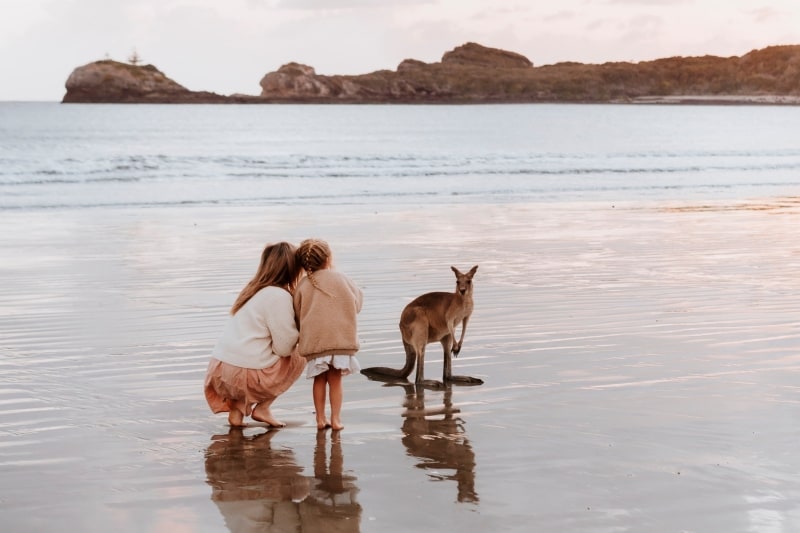




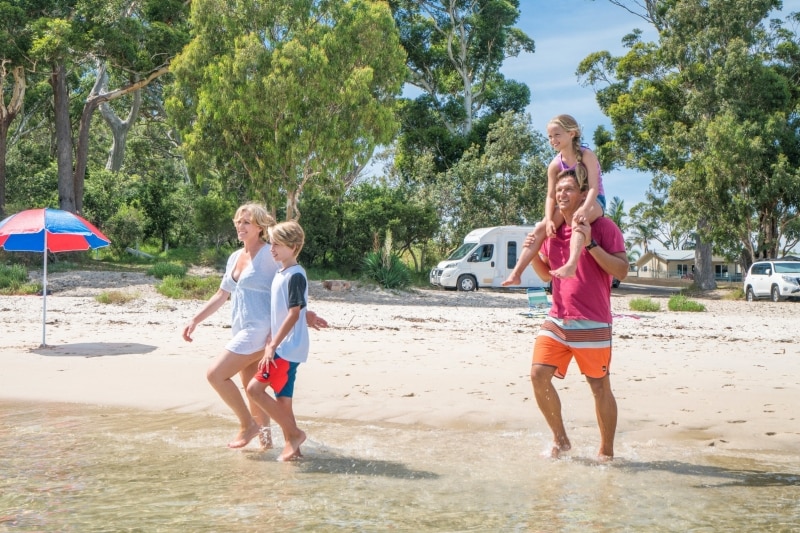

西オーストラリア州、ケープ・ル・グラン国立公園、ラッキー・ベイ、ビーチでカンガルーを眺めるカップル © Tourism Australia

西オーストラリア州、ケープ・ル・グラン国立公園、ラッキー・ベイ © Tourism Australia

西オーストラリア州のサウス・ウエスト・エッジを巡るロードトリップ12日間


旅の概要

12 days
car
1,407km (874mi)

1日目:ロットネスト島とフリーマントル

1hrs 42km (26mi)

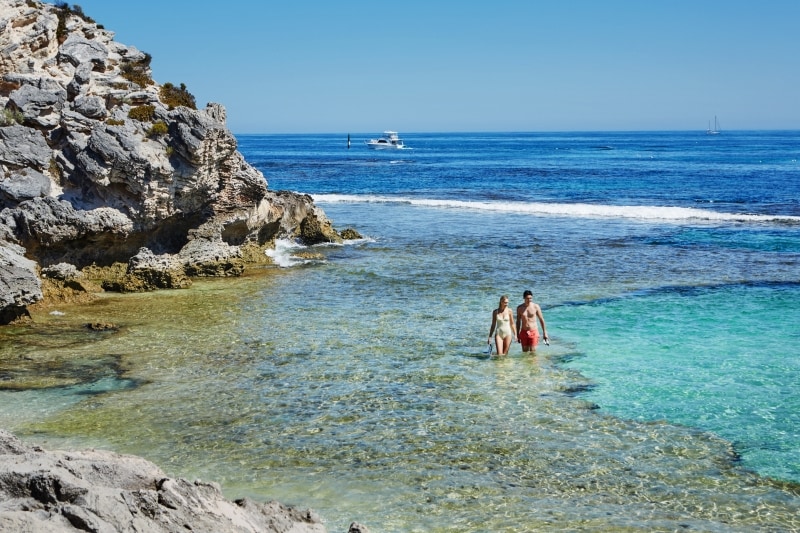
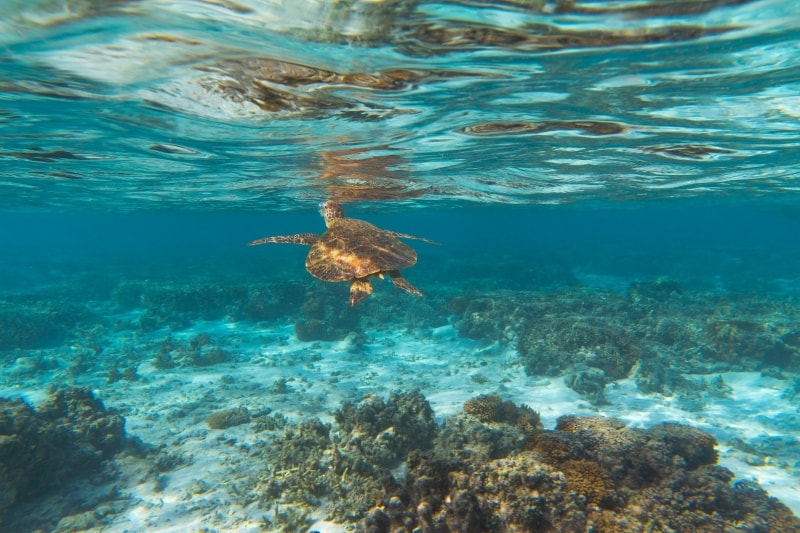
ロットネスト島(Rottnest Island)へ、フェリーで向かい、手つかずの自然を満喫しながらユニークな野生動物を見つけましょう。帰りはフリーマントル(Fremantle)の町でくつろぎます。

2日目:フリーマントルからマンジュラへ

1hrs 76km (47mi)

フリーマントル(Fremantle)でエネルギーをチャージしたら、海岸線沿いの美しい町、マンジュラ(Mandurah)を目指して南下しましょう。

3日目:マンジュラからバンバリーへ

2hrs 147km (91mi)

スローな朝をリラックスして過ごしたら、午後はバンバリー(Bunbury)周辺で、ワイナリー巡りやイルカとのスイミングなど、エキサイティングなひとときを過ごしましょう。

4日目:バンバリーからマーガレット・リバーへ

1.5hrs 94km (58mi)

ファミリーで楽しく過ごせるジオグラフ湾(Geographe Bay)に面したバッセルトン(Busselton)まで足を延ばし、素晴らしい風景の中でアドベンチャーを体験しましょう。

5日目:マーガレット・リバー

マーガレット・リバー(Margaret River)地域に滞在中は、自分だけのオリジナルの旅を楽しみましょう。この地域には、のんびりとワインを味わうツアーや海岸線沿いで楽しむスリル満点のアドベンチャーなど、バラエティに富んだ体験が揃っています。

6日目:マーガレット・リバーからハメリン・ベイへ

1.5hrs 82km (51mi)

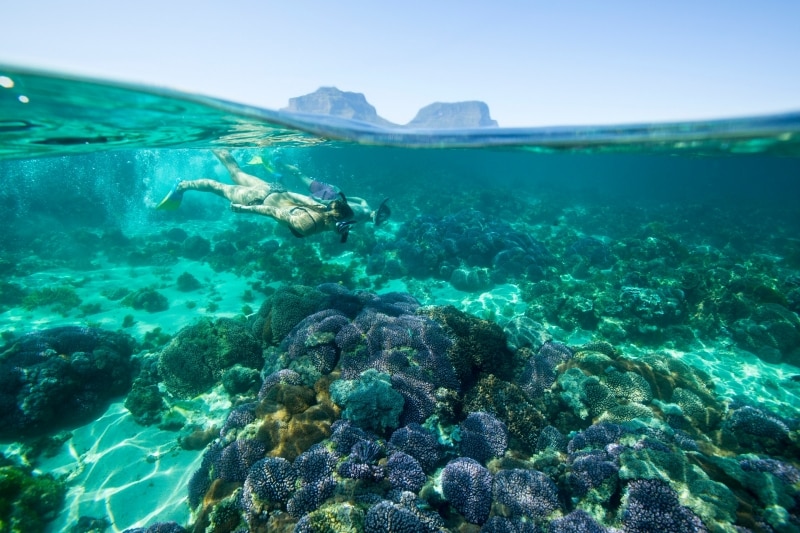
マーガレット・リバー地域の文化に親しみ、ワールドクラスの地産の食材を味わい、ハメリン・ベイ(Hamelin Bay)の海洋生物を鑑賞しましょう。

7日目:ハメリン・ベイからペンバートンへ

3hrs 244km (152mi)

オーガスタ(Augusta)でクジラやドラマティックな海岸線に驚嘆した後は、ペンバートン(Pemberton)へ向かい、森とトリュフを楽しみましょう。

8日目:ペンバートンからデンマークへ

3hrs 220km (137mi)

今日はビーチと森林の両方を訪れます。ツアーに参加してアドベンチャーを思い切り楽しむ一方で、美しい自然の風景を自分のペースでのんびりと眺めましょう。

9日目:デンマークからアルバニー

2hrs 135km (84mi)

今日は、ワイナリーやミュージアム、絶景スポットに立ち寄りながら、アルバニー(Albany)へ向けてのんびりと車を走らせましょう。

10日目:アルバニーからブレマー・ベイ

3hrs 241km (150mi)

シャチが見られることで有名なブレマー・ベイ(Bremer Bay)へ向かって進むと、壮大な景色が待っています。

11日目:ブレマー・ベイからホープトンへ

4.5hrs 360km (224mi)

ロードトリップはまだまだ続きますが、先を急いではいけません。クジラやシャチなど巨大海洋生物が集まることで有名なブレマー・ベイ(Bremer Bay)で、海の生き物たちに会いに行きましょう。

12日目:ホープトンからエスペランスへ

4hrs 342km (212mi)

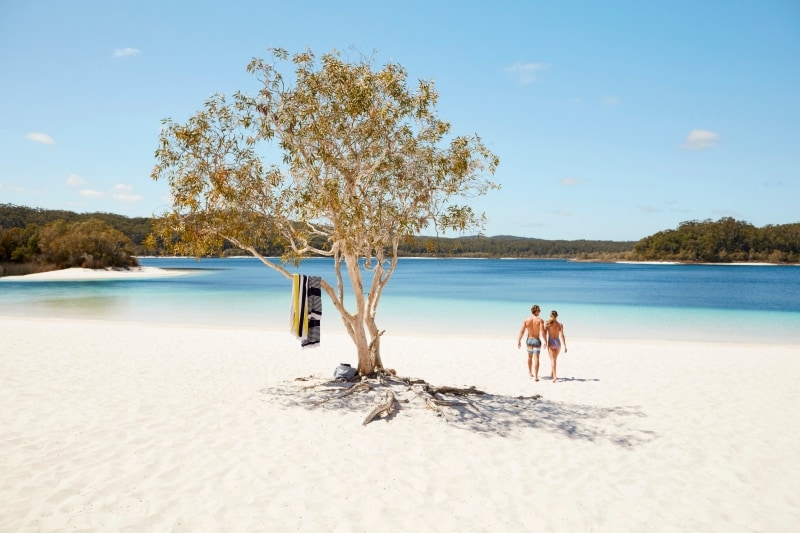
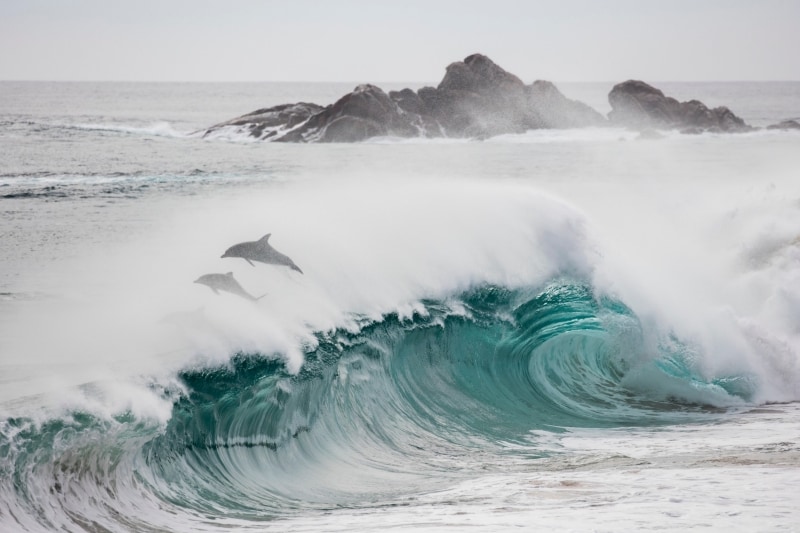
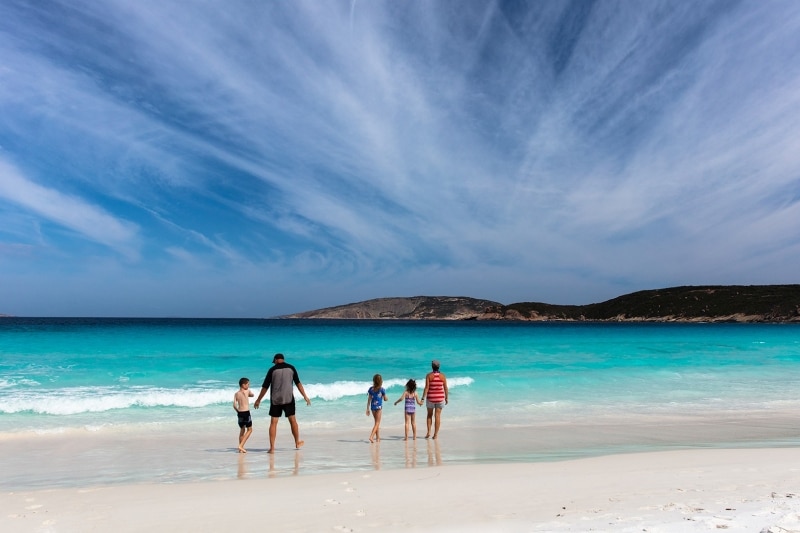
ホープトン(Hopetoun)を発ち、真っ白なビーチにカンガルーが飛び跳ねるエスペランス(Esperance)へ向かいましょう。この海岸での冒険は尽きることがありません。遊び好きなイルカやクジラを探し、ピンク色の湖の上空で遊覧飛行を楽しみましょう。目を見張るほど青い海の浅瀬は水遊びに最適です。 

Day 13 : Esperance to Rainbow Lakes

1hrs 53km (33mi)

A Stonehenge replica and pink-hued lakes – today is anything but expected.

Frequently Asked Questions

This self-drive journey through south-west Australia is truly spectacular, but it’s important to be prepared for local road rules and regional driving conditions.

In Australia, you drive on the left-hand side of the road. Seatbelts are compulsory for all passengers, and children must use an approved child car seat that is suitable for their age and size.

You’ll need a valid overseas driver’s licence to drive, and in some cases an International Driving Permit may also be required, so it’s best to check before you travel.

Speed limits are clearly signposted: generally around 50km/h in towns and 100–110km/h on open highways. Roads between major destinations, including routes around Perth, are typically sealed and in good condition. However, once you head into regional areas, you may encounter long, quiet stretches with fewer services.

Planning ahead is essential. Fuel stops can be far apart, so avoid letting your tank run low. Take regular breaks to prevent fatigue, especially on longer driving days, and consider shorter distances when travelling with children.

Wildlife such as kangaroos is common, particularly at dawn and dusk, so extra caution is needed during these times. For safety, it’s best to avoid driving at night in rural areas.

With good preparation, driving in this part of Australia is safe, relaxed and one of the best ways to experience this special place at your own pace.
Most of this itinerary can be done comfortably in a standard 2WD vehicle. The main roads connecting key destinations such as Perth, Margaret River and Albany are fully sealed, well-maintained and easy to drive. You’ll also find that fuel stops, towns and rest areas are regularly spaced along these routes, making it a straightforward and accessible drive for international visitors.

A 4WD is only necessary if you plan to venture beyond the main itinerary, for example, into more remote national parks, unsealed gravel roads or off-road coastal tracks. In those cases, conditions can be rougher and signage may be limited, so a suitable vehicle becomes important.

Mobile phone coverage on this south-west Australia road trip is generally good in towns, cities and along major highways. In larger centres such as Perth and other regional hubs, you’ll usually have strong and reliable service for calls, maps and travel planning.

However, in more remote coastal areas, forests, and national parks across Western Australia, reception can be patchy or may drop out entirely along some stretches. Because of this, it's best to download offline maps before you travel and keep key information saved in advance, rather than relying solely on mobile data. A physical map can also be a useful backup in more remote areas.

You can do this spectacular trip at any time of the year, but spring (September to November) and autumn (March to May) offer the most comfortable conditions for travelling.

These shoulder seasons offer mild, pleasant weather that’s ideal for coastal walks, forest hikes and sightseeing around Western Australia. Spring is especially spectacular, with colourful wildflowers blooming across the region, making drives and nature stops even more memorable.

Summer (December to February) can be very warm, particularly inland, which can make long driving days less comfortable. Winter tends to be cooler and may bring rain or occasional storms along the coast, though it can still be a beautiful time for fewer crowds and dramatic scenery.

For a south-west Australia road trip, it’s best to pack for a mix of city, coastal and regional conditions.

Bring light, comfortable clothing for warm days, plus a few warmer layers for cooler mornings and evenings. Swimwear is essential for beaches, along with comfortable walking shoes for exploring national parks and trails. As the Australian sun can be strong year-round, sun protection is a must, so pack a hat, sunglasses and sunscreen.

Because you’ll be travelling through regional areas of Western Australia, it’s also important to carry practical essentials such as a reusable water bottle, snacks and a basic first-aid kit. A phone charger or power bank, and offline maps or GPS, are highly recommended in case of limited reception in remote areas.