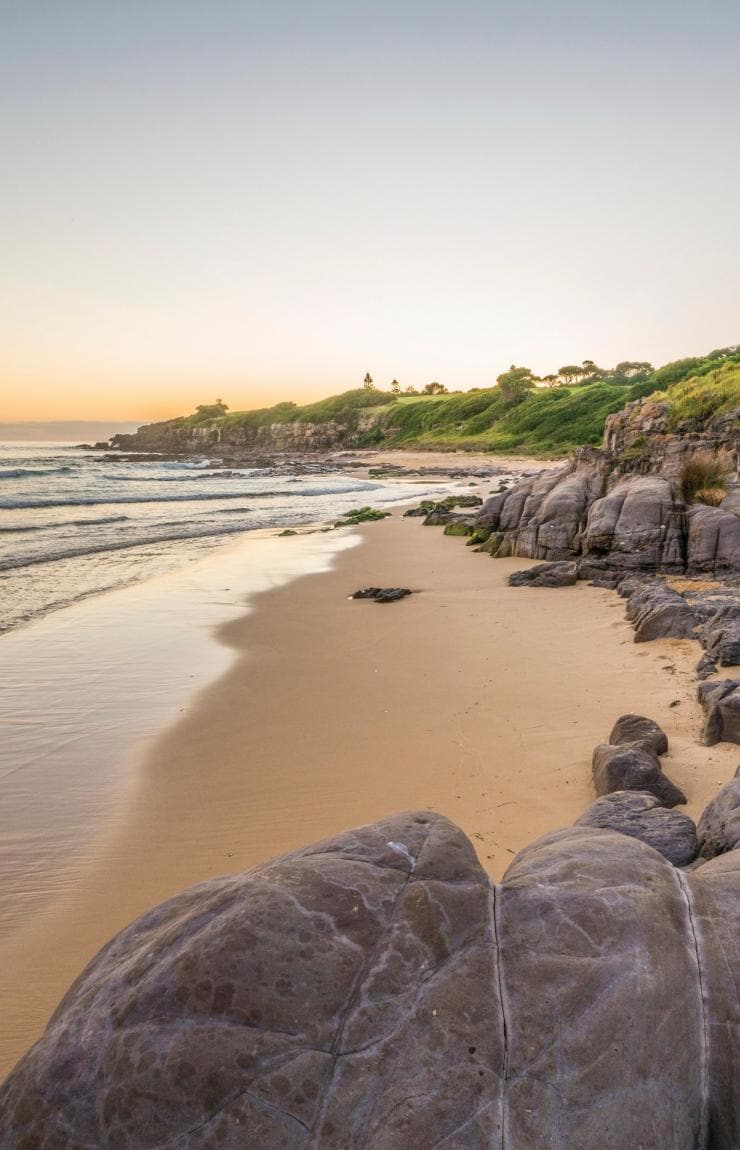



Jervis Bay, New South Wales © Destination NSW
Guide to Jervis Bay
Aboriginal name: Booderee (pronounced Budda-ree)
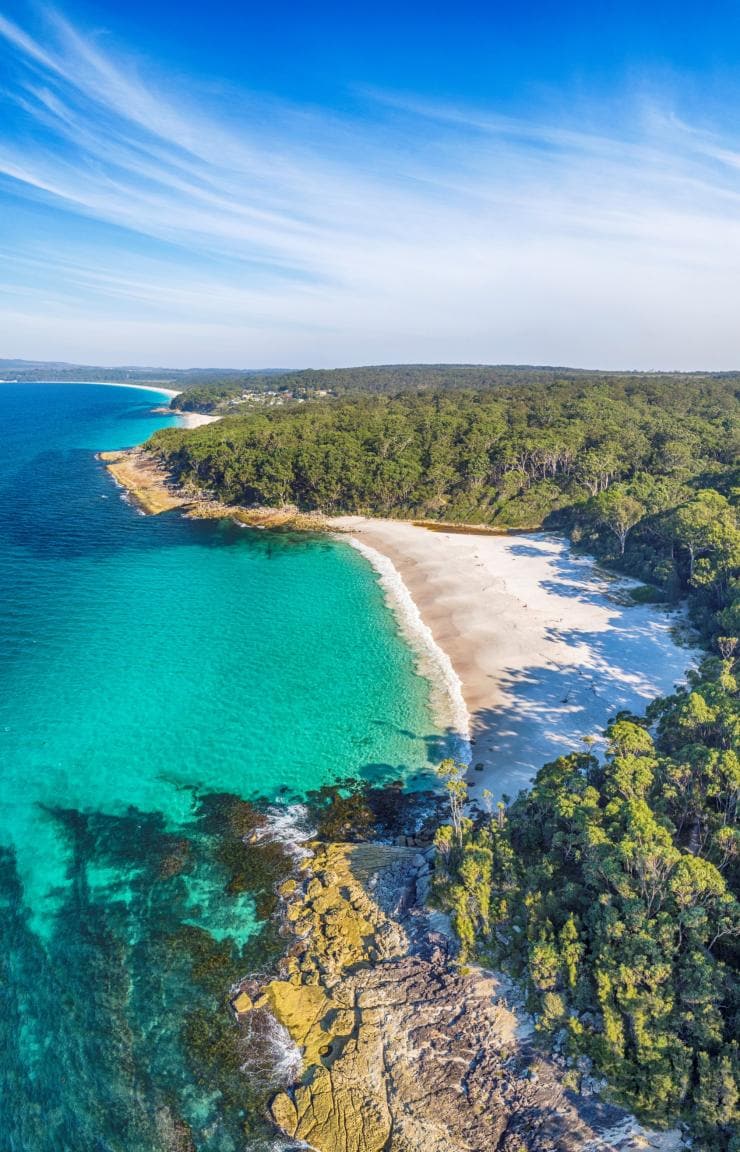
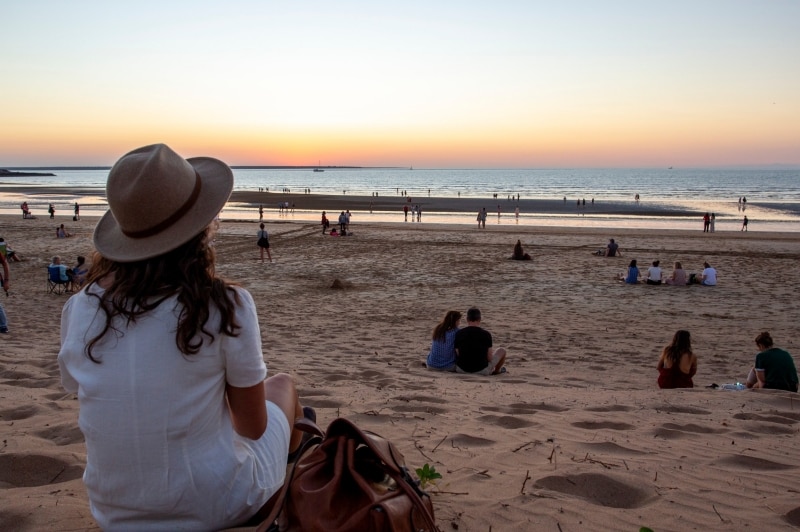
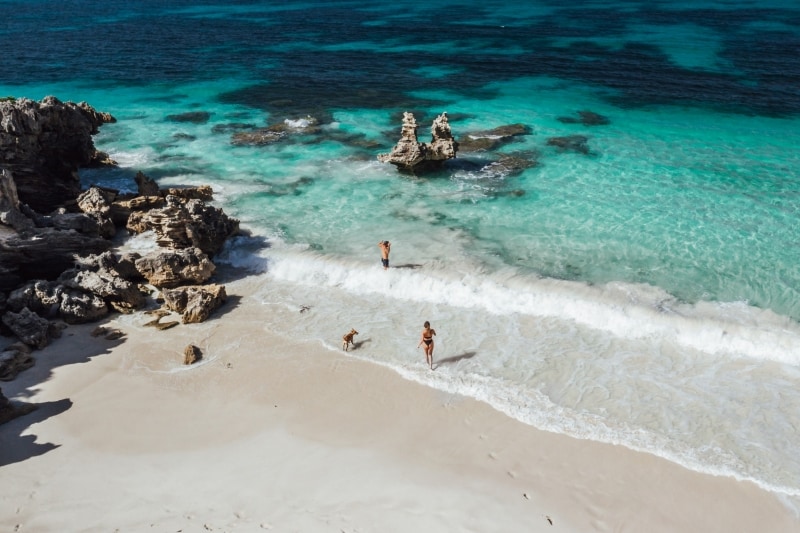
Sparkling-white sands, dazzling aqua waters and magnificent marine life combine to make Jervis Bay the epitome of paradise.
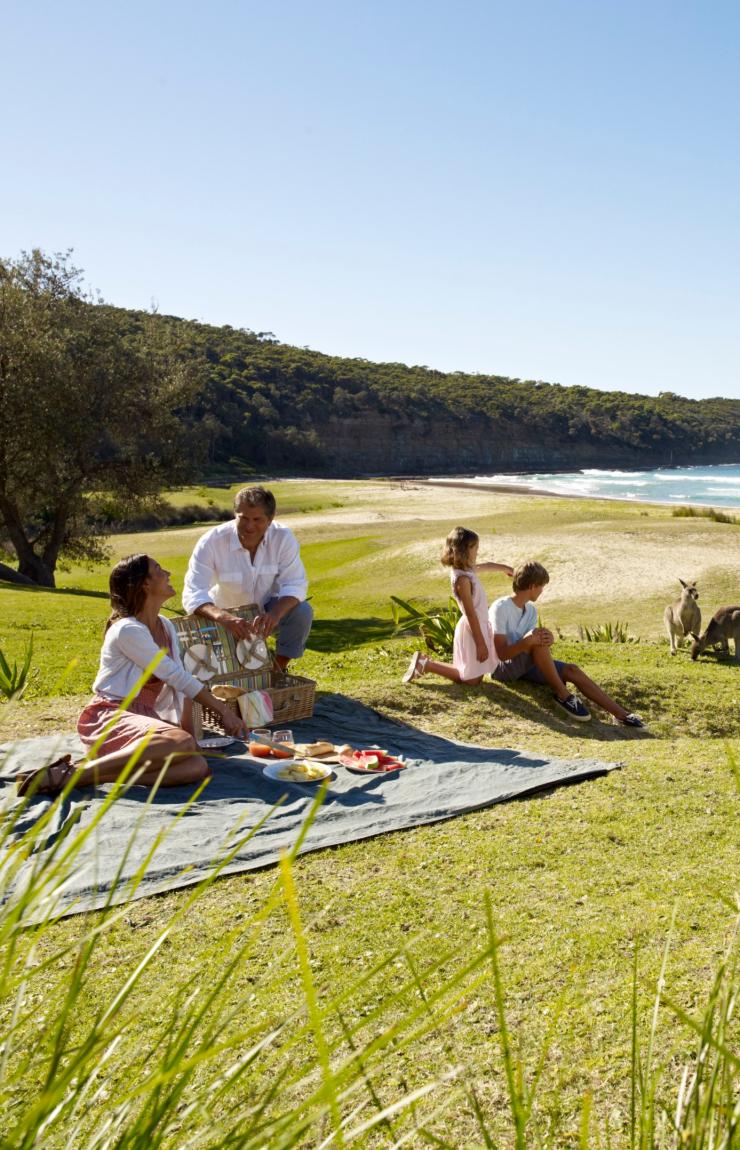
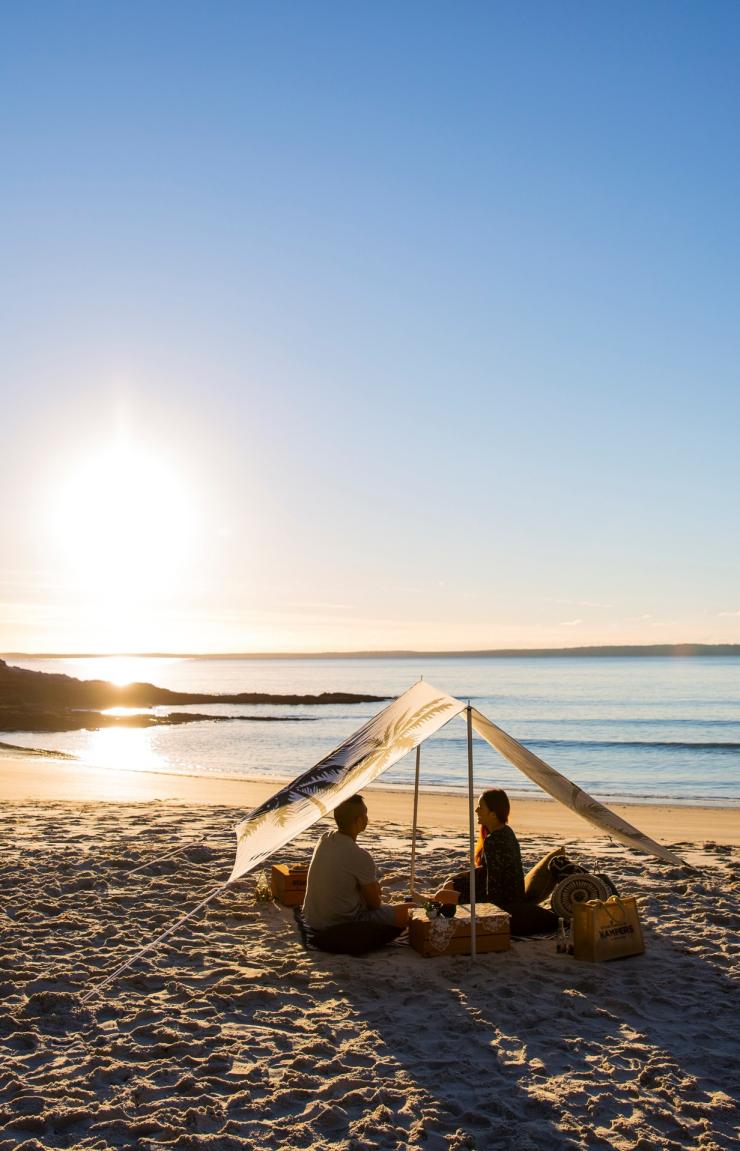
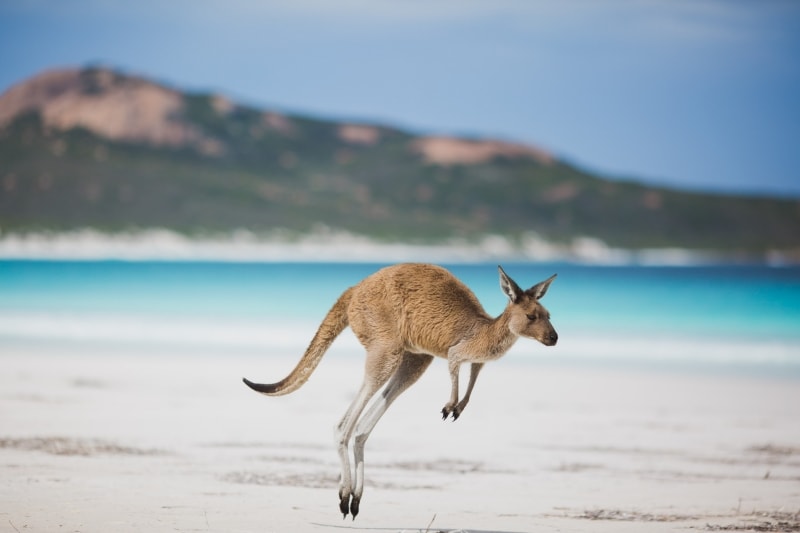
Home to some of the world’s whitest sands, the beaches of Jervis Bay are among Australia's best. Enveloping the bay is breathtaking bush, including the Aboriginal-owned Booderee National Park where native wildlife, tranquil trails and an endless collection of secluded beaches are cherished by travellers and locals alike. Beneath the gentle surface of the bay lies the Jervis Bay Marine Park. It’s here where the playful residents – including dolphins, seals, fairy penguins and whales – frolic in the waters.
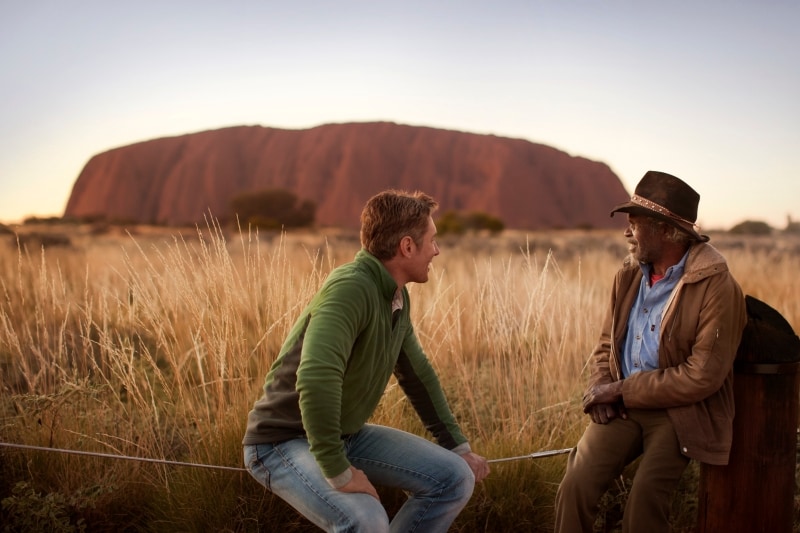
The Yuin Nation, comprised of several distinct Aboriginal language groups, are the Traditional Custodians of the land and water surrounding Jervis Bay/Booderee. Throughout the region there are many sites considered sacred to the local Yuin people, including the towering Gulaga Mountain.
You can explore some of these sacred sites and learn about their continuing significance alongside Traditional Custodians through incredible cultural experiences.
- Traditional name: Booderee (pronounced Budda-ree)
- Indigenous Peoples: Yuin Nation
Jervis Bay is easy to reach by car from either Sydney or Canberra. It's about a two-hour drive south of Sydney or a three-hour drive east of Canberra.
- Jervis Bay is 185km (115mi) from Sydney Airport (SYD), which welcomes both international and domestic arrivals
- Hire cars are available from Sydney airport terminals and various locations in town
- From Canberra Airport (CBR) it's about 222km (138mi)
- Hire cars are available at Canberra Airport
With its beaches sheltered from the ocean swells by high headlands, Jervis Bay is a great summer destination for all ages. From late spring to early autumn the weather is generally mild, with cool sea breezes. In autumn and winter, Booderee National Park is a hiker’s paradise, with whales passing along the ‘humpback highway’.
- High season: Summer (December to February) and Easter (April)
- Low season: Winter (June to August)
- Don’t miss: Bizarre and beautiful bioluminescent plankton that glows blue along the shore, most commonly in spring and summer