




























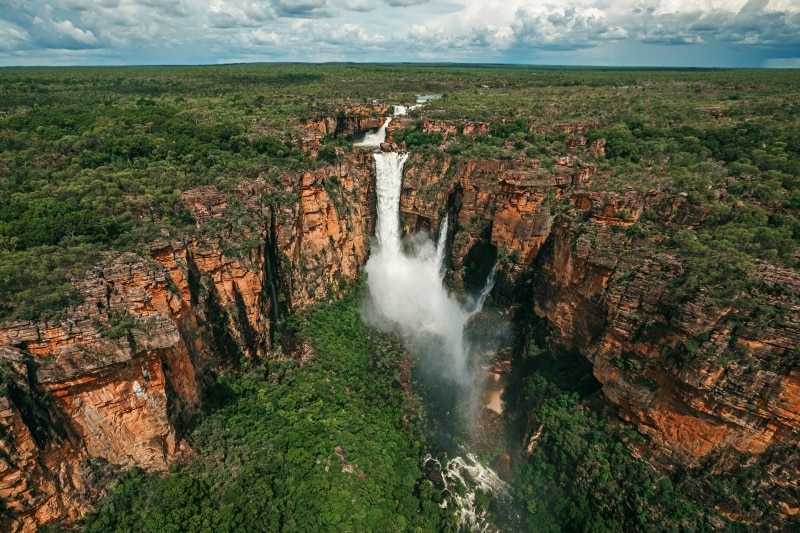




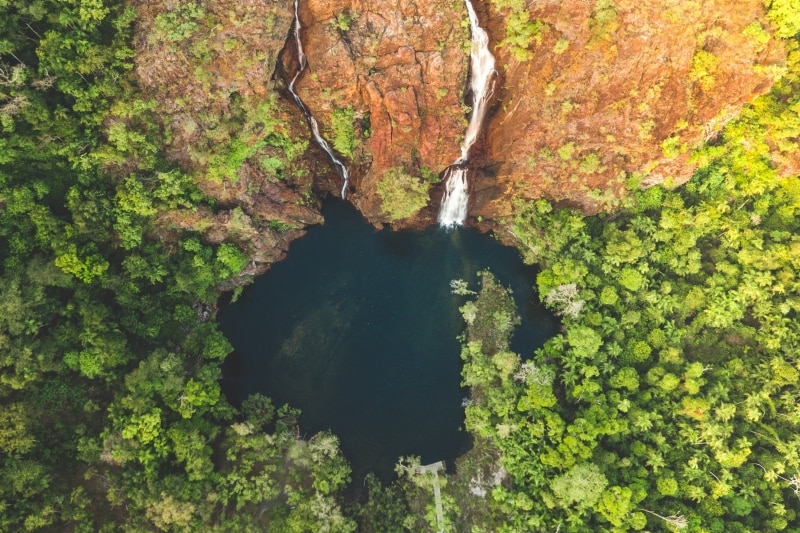

































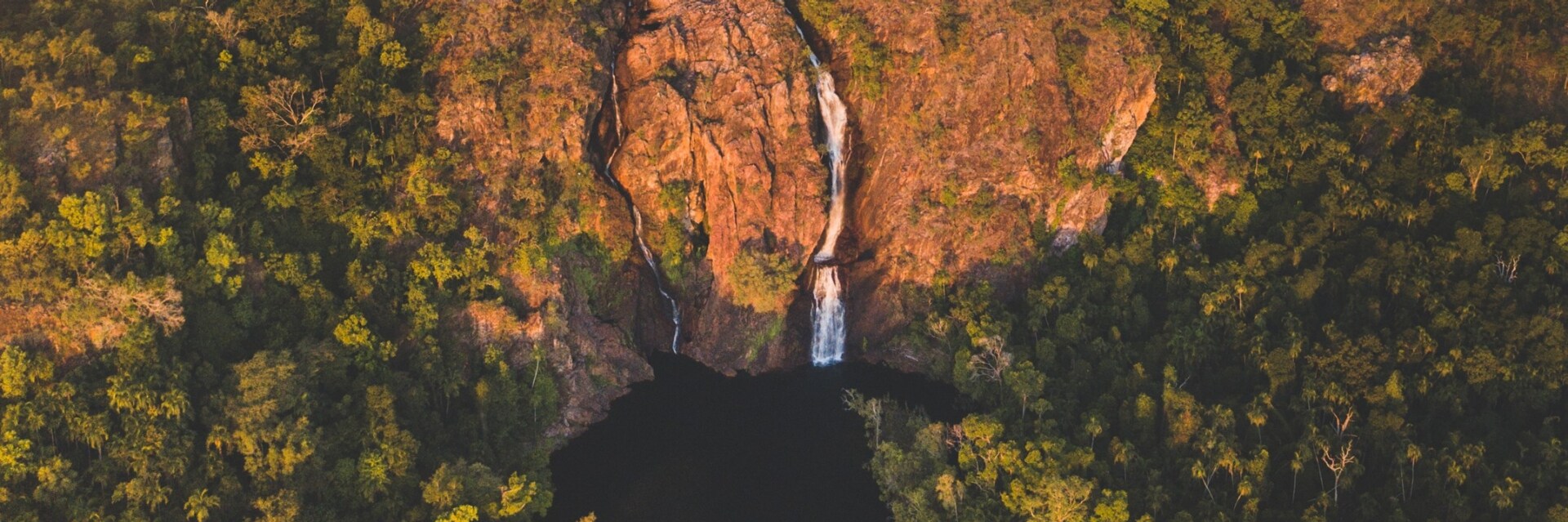
Aerial view of Wangi Falls and the surrounding greenery of Litchfield National Park during sunset in the Northern Territory © Tourism NT/Jackson Groves

Wangi Falls, Litchfield National Park, Northern Territory © Tourism NT/Jackson Groves


Trip overview

7 days
Plane, car
3,675km (2,282mi)

Day 1: Bondi Beach

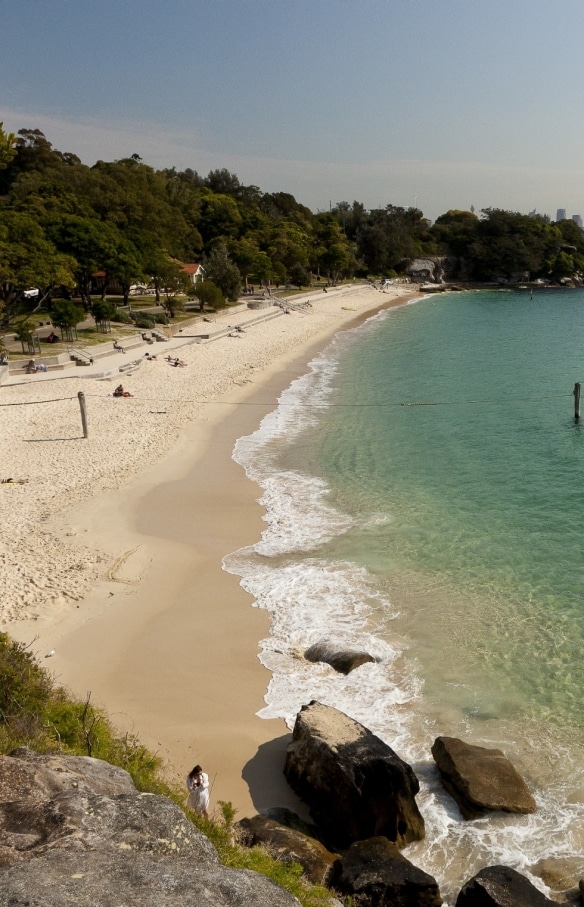
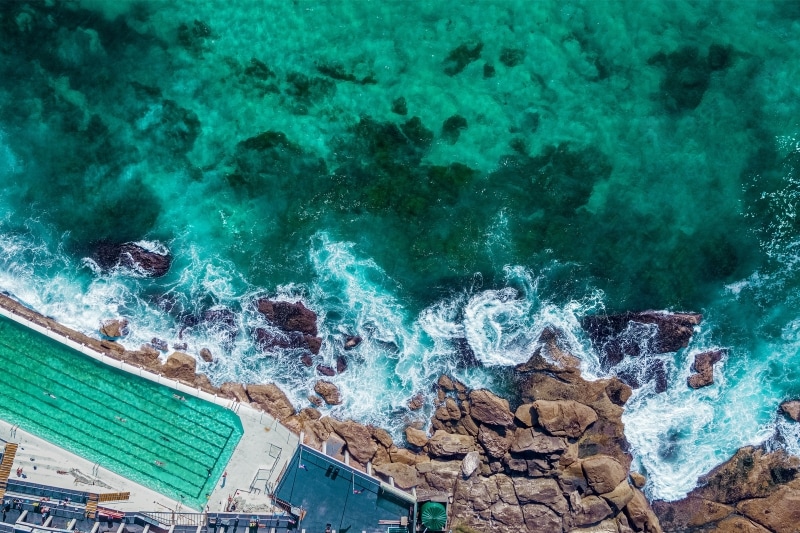
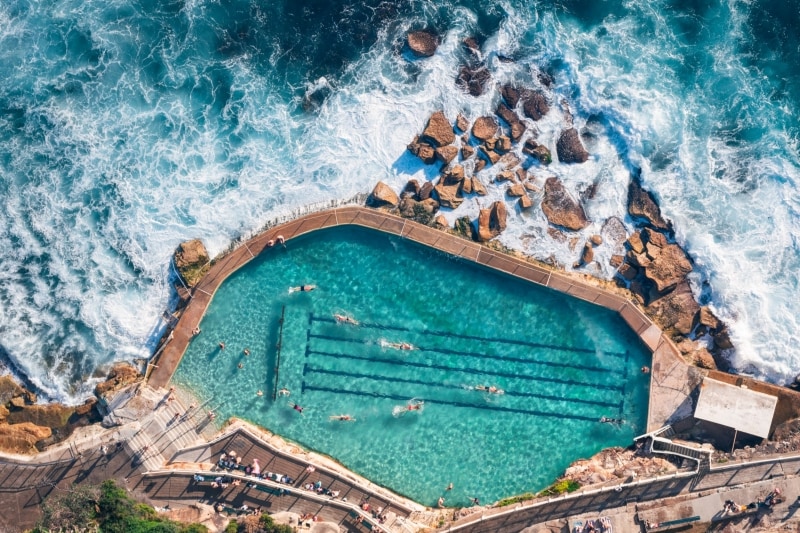
Start your adventure at Sydney’s iconic Bondi Beach, where you can get a taste of the coastal life.

Day 2: Sydney Harbour and Manly

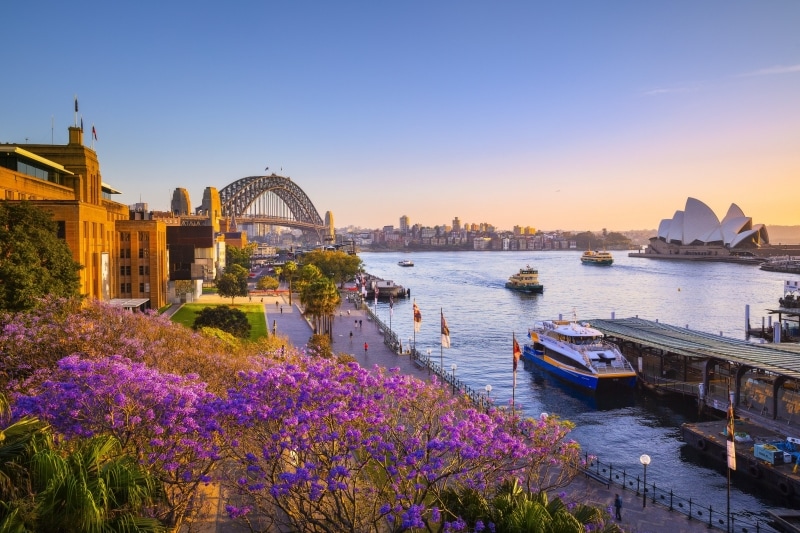
Experience heritage, history and breathtaking icons around Sydney’s sparkling harbour. Spend your day doing some of these incredible experiences.

Day 3: Sydney to Canberra

3.5hrs 330km (205mi)

Depart Sydney today and drive three hours through the rolling countryside to reach Australia’s capital, Canberra. Stop in Murrumbateman along the way to taste cool-climate wines.

Day 4: Canberra to Darwin

4.5hrs 3,133km (1,946mi)

Spend a leisurely day around Canberra before flying to the tropical city of Darwin on an evening flight. Here are a few epic experiences you could do before you fly.

Day 5: Darwin

Darwin oozes adventure. From jet skiing around shipwrecks to crocodile encounters, there’s always room for excitement in Darwin. On your first day in the Northern Territory’s capital, try some of these top activities.

Day 6: Darwin to Litchfield National Park

2hrs 106km (66mi)

Hop in the car (or join a guided tour) and make your way to Litchfield National Park. Famous for its waterfalls and bizarre termite mounds, Litchfield is a nature lover’s dream.

Day 7: Litchfield to Darwin (or beyond)

2hrs 106km (66mi)

From Litchfield, you can either head back to Darwin or discover more of the Top End’s magical national parks, like Kakadu. Here are a few more things to do in Litchfield before you depart.

Frequently Asked Questions

This Sydney to Darwin journey is designed to combine different travel styles, so you don’t need to rely on a car. In cities like Sydney and Canberra, it’s easy to get around using public transport, rideshares or walking. For the long distances into the outback and up to Darwin, most travellers take domestic flights rather than driving the entire route.

Once you’re in regional and remote areas, a car can be useful for flexibility, but it’s not essential. Guided tours and transfers are great options, especially if you prefer not to drive long distances in remote conditions.

If you do choose to hire a car, you can use a valid overseas driver’s licence, and in some cases an International Driving Permit or official English translation may be required. And remember that in Australia, driving is on the left-hand side of the road.

It’s also important to consider seasonality in the Northern Territory. During the wet season (November to April), heavy rainfall can impact road access in some areas, while the dry season (May to October) generally offers more reliable travel conditions

While this journey across Australia can be done year-round, the most comfortable and reliable time to travel is during northern Australia’s dry season (May to October). This period is especially important for the northern sections of the route, including around Darwin and the Top End, where conditions are cooler, drier and more suitable for outdoor activities. It also means better access to roads and walking tracks, and makes experiences like scenic flights more enjoyable and predictable.

In contrast, the wet season (November to April) can bring heavy rainfall and occasional road closures in remote areas, but the season also offers pounding waterfalls, epic helicopter flights and dramatic lightning storms.

Yes, this journey works just as well in reverse, starting in Darwin and finishing in Sydney. The experiences along the way remain the same, and some travellers actually prefer this direction, as it offers a gradual transition from the tropical Top End back into Australia’s major international travel hub.

Yes, this is a great introduction to Australia’s wonderful diversity. You’ll experience coastal city life in Sydney, dramatic regional landscapes, Australia’s capital city and the tropical Top End around Darwin.

While the distances are large, the route is designed with well-connected stops, making it manageable for first-time visitors. There are some self-driving sections, but you can also choose guided tours or public transport options in key areas if you’d prefer not to drive.

Overall, it’s an epic way to see several very different sides of Australia in one journey with ease.