



























Orange, New South Wales © Tourism Australia
Guide to Orange and surrounds
Aboriginal name: Gaanha Bula (pronounced Gah-na Boo-la)
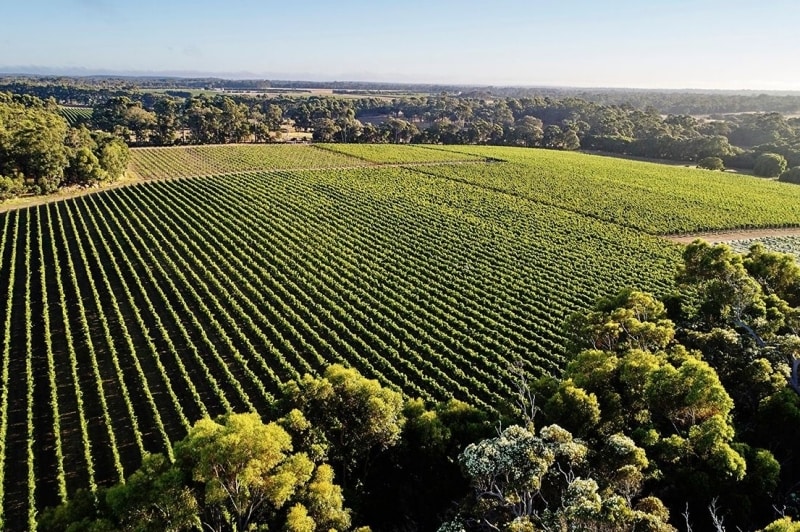
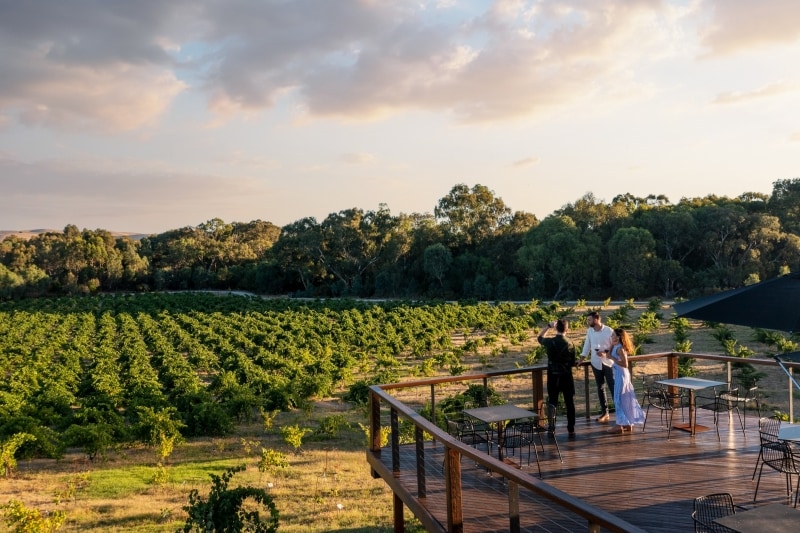
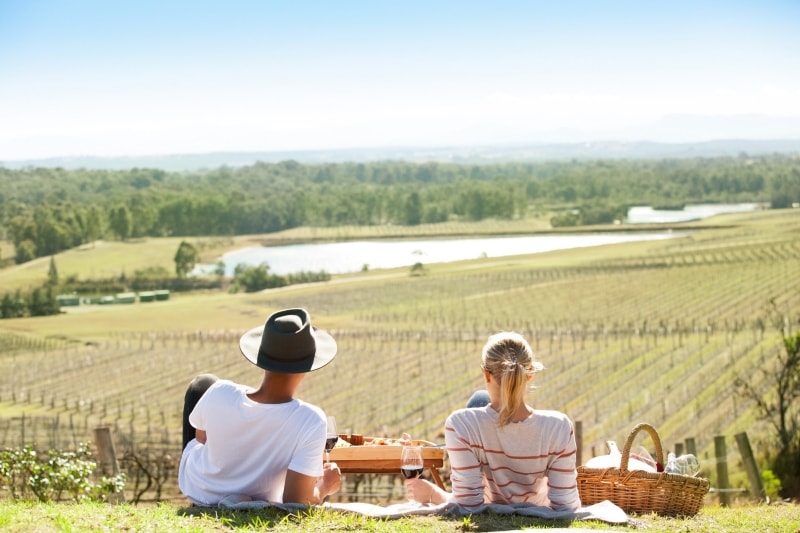
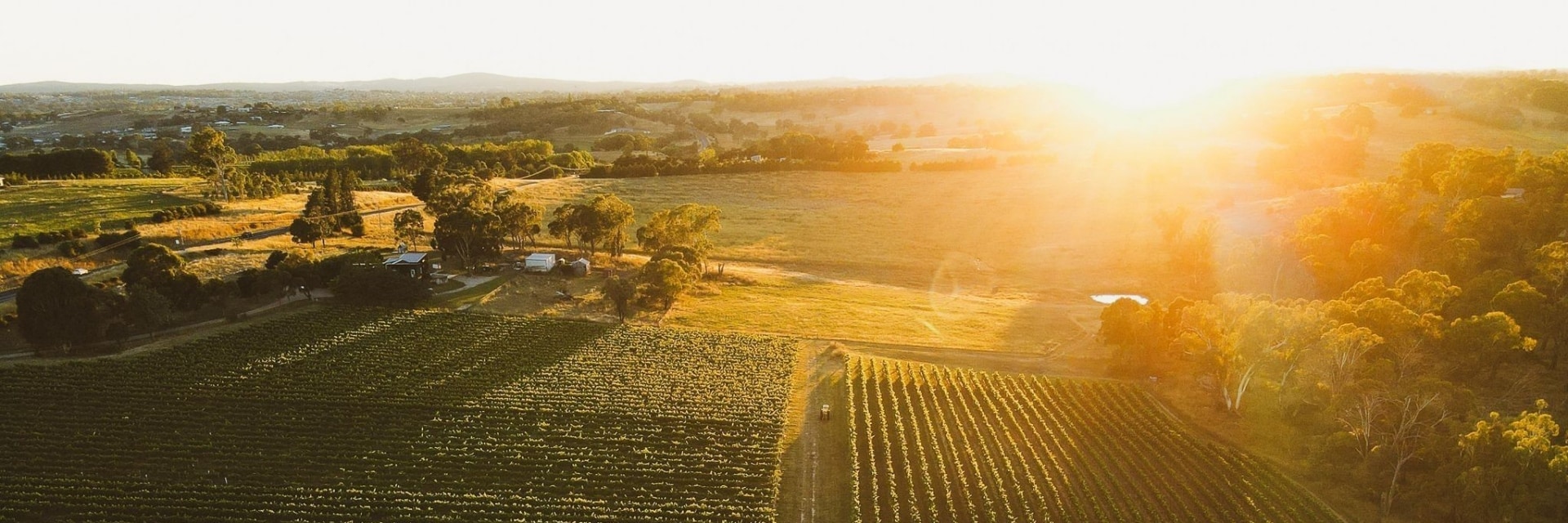
Synonymous with cool-climate vineyards, farm-fresh flavours and spectacular scenery, Orange and its surrounds make for a colourful gourmet escape.
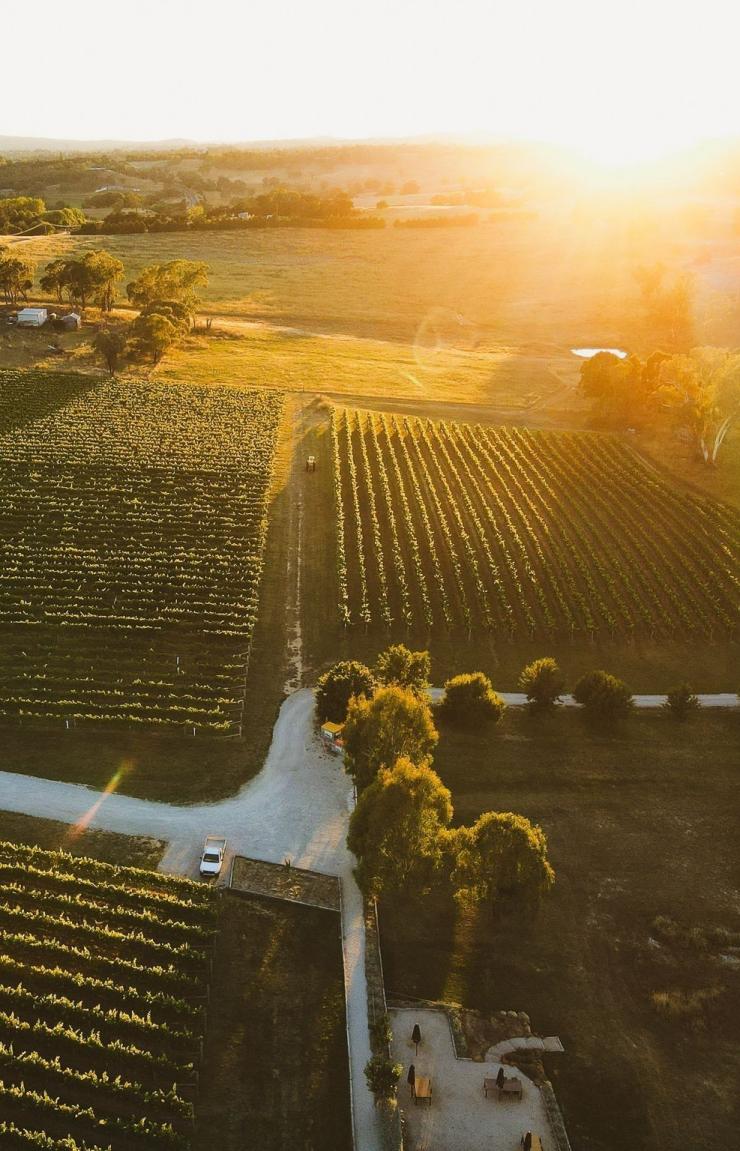
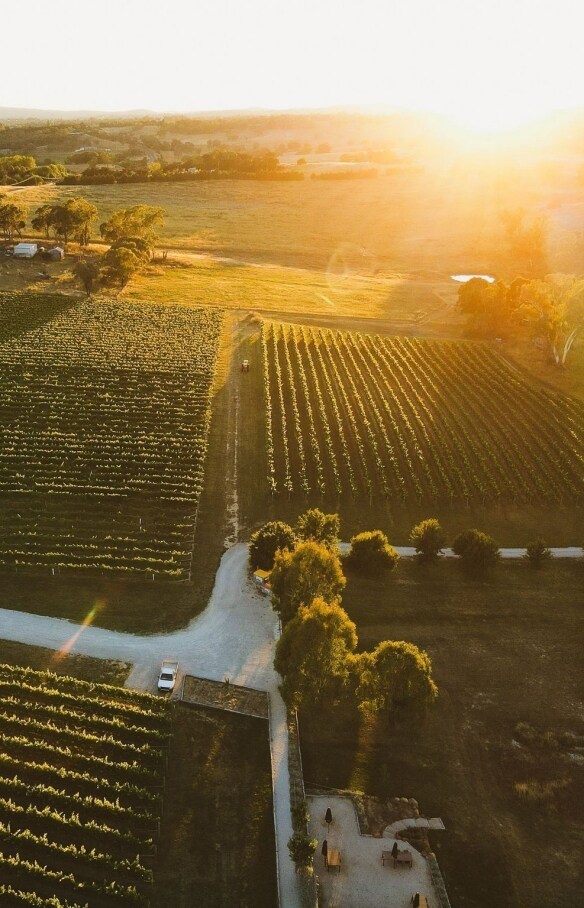
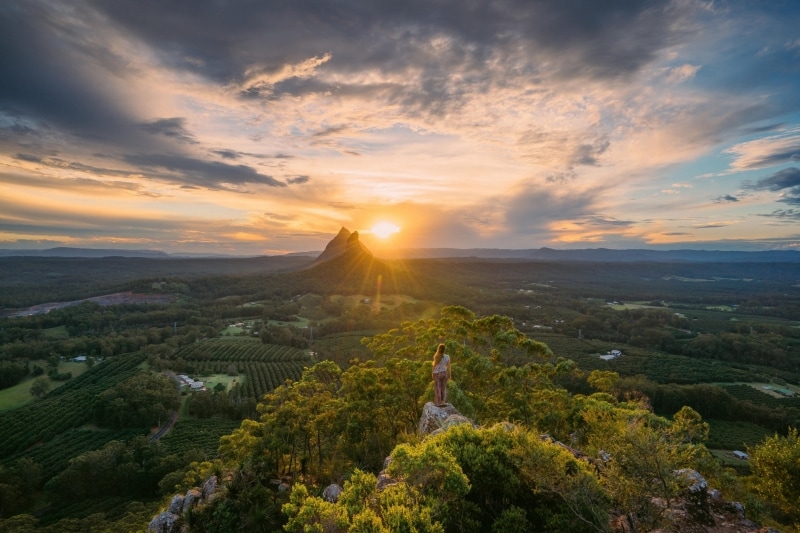
Nestled at the foot of a dormant volcano in New South Wales’ Central Tablelands, Orange is Australia’s highest-altitude wine region and a thriving food bowl. Its volcanic soil has shaped the region’s vineyards, fruit orchards and paddock-to-plate fare, but it’s the connection between growers, makers and the land that defines Orange and its surrounds. Discover that passion for produce while dining at contemporary restaurants, sipping cool-climate wines and browsing bustling markets. Wrap up the days at a cosy farm stay, soaking in the fresh country air.
Orange is home to the Wiradjuri People, the largest Aboriginal language group in New South Wales. The ancient dormant volcano, Gaanha Bula (Mount Canobolas), meaning “two shoulders” is a culturally significant landmark towering over the region, traditionally used for ceremonies, food gathering and medicine.
- Traditional name: Gaanha Bula (pronounced Gah-na Boo-la)
- Traditional Custodians: Wiradjuri People
- Traditional lands: Wiradjuri
- Traditional languages: Wiradjuri
Orange is around a 3.5-hour drive from Sydney and Canberra. You can also fly directly into Orange Regional Airport from Sydney, Melbourne and Brisbane
- Orange Regional Airport is approximately 14km (8.5mi) from the town of Orange.
- Taxis and hire cars are available at the airport.
Having a car is the easiest way to explore the region’s many cellar doors, farm gates, villages and lookouts. Prefer not to drive? Let a local show you around on one of the region’s guided tours.
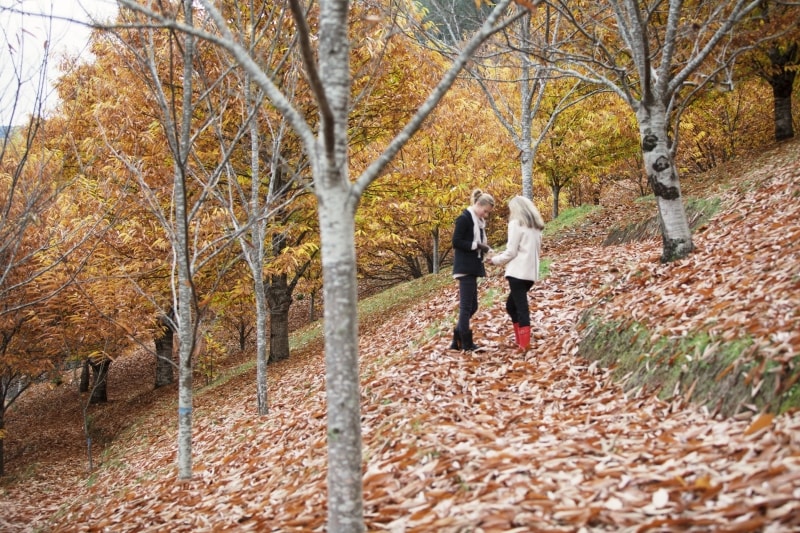
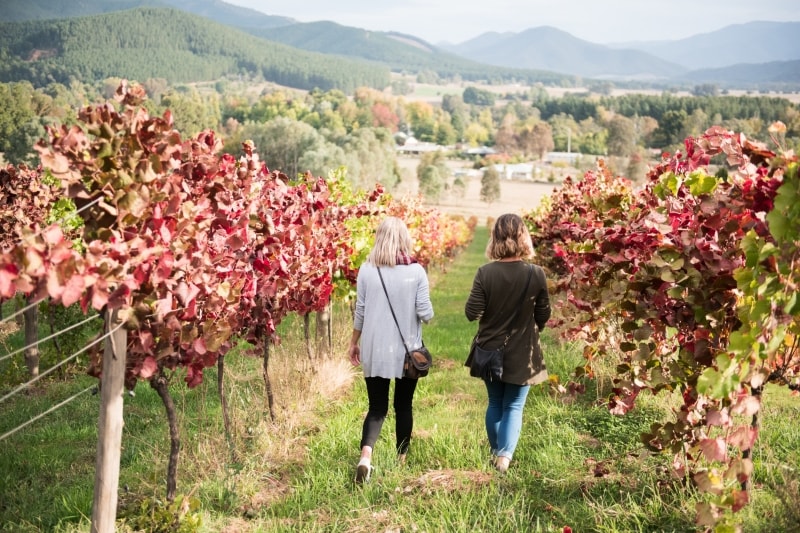
You can experience four distinct seasons in Orange, with autumn and spring bringing comfortable temperatures, colourful landscapes and a strong line-up of food and wine events. Arrive in autumn, and Orange will well and truly live up to its name; orange-tinted leaves and pastures paint the landscape. In spring, cherry trees in bloom line the streets and bring slightly warmer temperatures.
- High season: Autumn (March to May) and spring (September to November)
- Low Season: Winter (June to August) and the height of summer (January)
- Don’t miss: Orange F.O.O.D Week in autumn, Australia’s oldest regional food festival
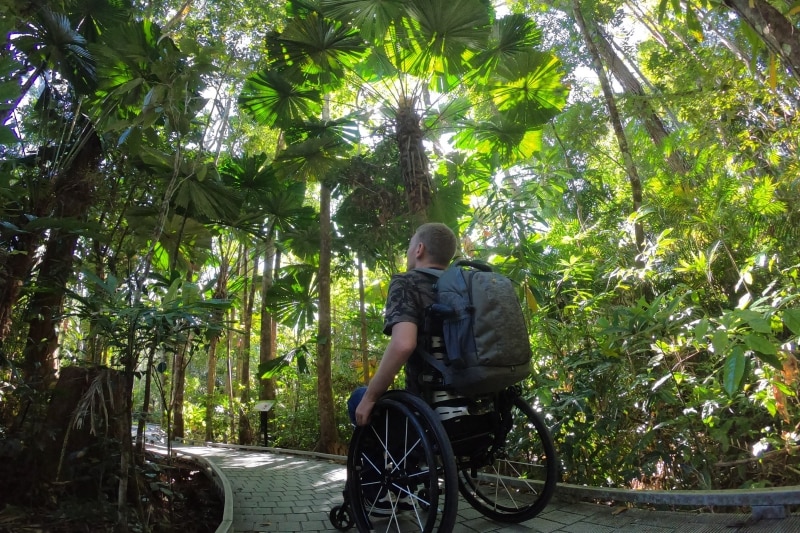
Thanks to a growing number of wineries, restaurants and accommodation options dedicated to accessible travel, Orange is a great place to plan an accessible holiday.
- Arrival: Assistance for people with disabilities can be arranged through your airline, and Orange Regional Airport is accessible for travellers in a wheelchair.
- Getting around: Wheelchair-accessible taxis are available through local operators, including Orange Taxis and 13cabs, and can be booked in advance.
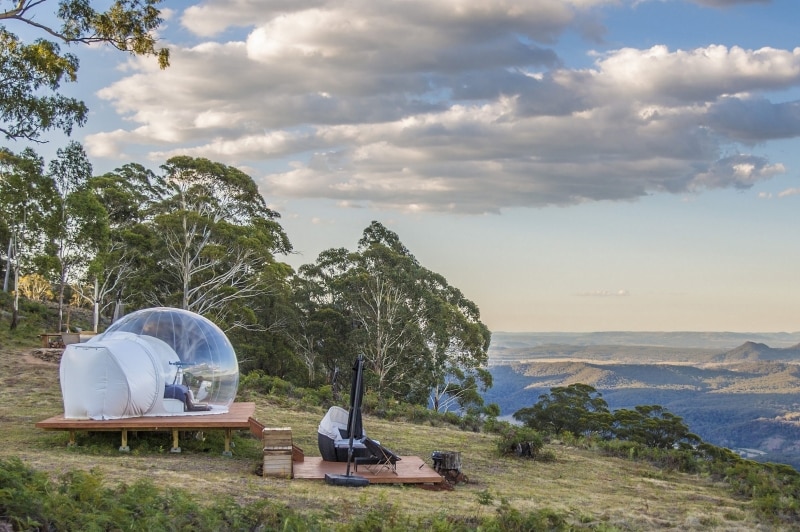
- Accessible experience highlights: Many of Orange’s venues offer accessible facilities, including Printhie Dining, Ross Hill Wines and Byng Street Local Store. For accessible accommodation in the heart of town, try Quest Orange. Or sleep amid the vines at Turners Vineyard Motel.
- Helpful resources: Visit Orange City Council’s mobility map to help plan your trip.