
































































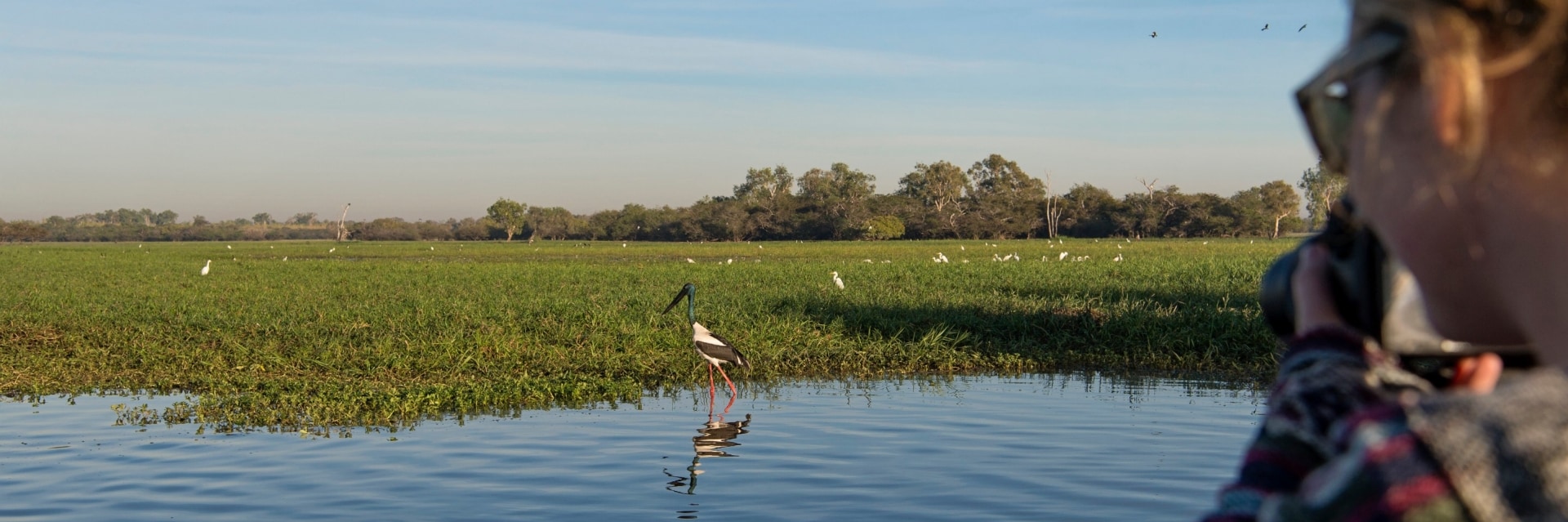
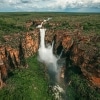
Yellow Water Cruises, Kakadu National Park, Northern Territory © Tourism NT/Shaana McNaught
Birdwatching guide to Australia
Endemic, endangered, extreme habitats, mass migration and quirky behaviours encompass just some of the twitching highlights of birding in Australia.
Marvel at rare seabirds


Marvel at rare seabirds
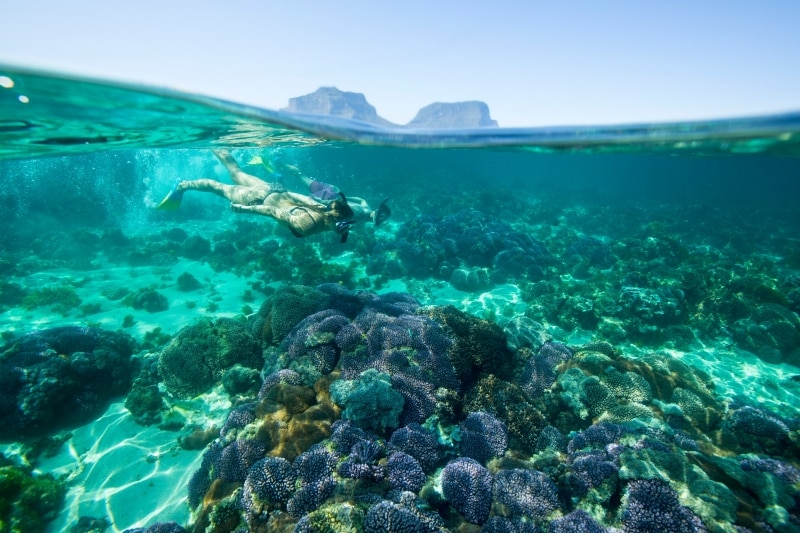
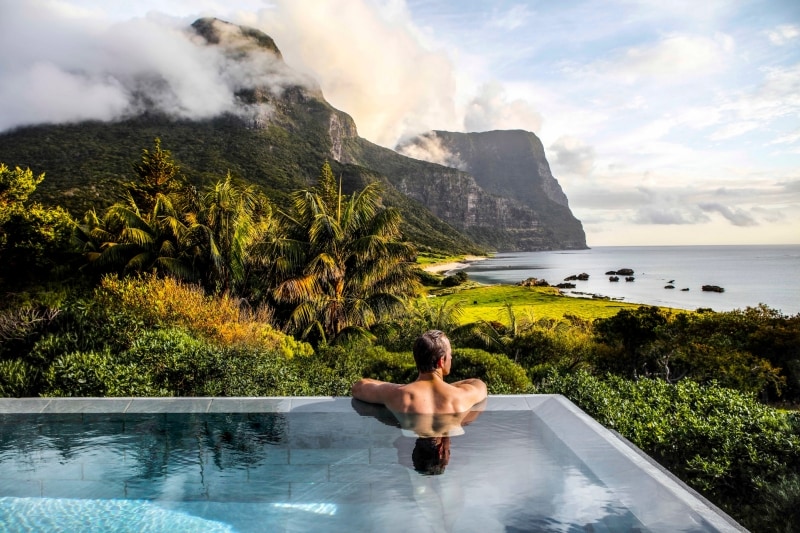
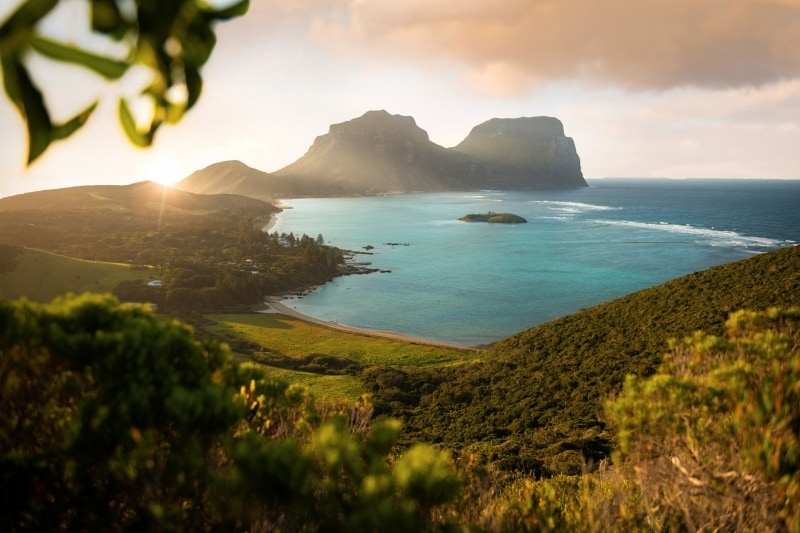
Providence petrels, the endemic Lord Howe silvereyes and flightless Lord Howe woodhens are just three of the 230+ bird species populating the subtropical Lord Howe Island. Come November through to May you can watch the aerial acrobatics of red-tailed tropicbirds’ mating rituals, while March through to September is a good time to catch the rare Providence petrel. Year-round, naturalist Ian Hutton runs birdwatching tours with Lord Howe Island Nature Tours, getting you up close to unique seabirds.
Spot tropical beauties


Spot tropical beauties
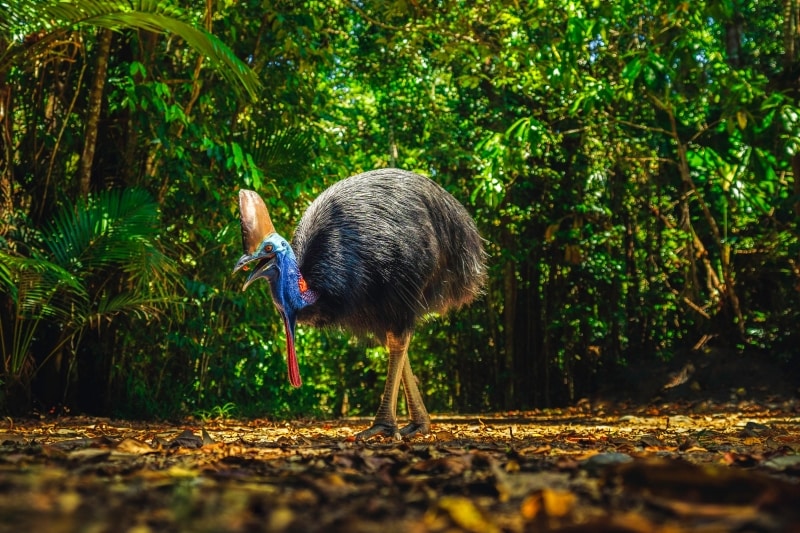
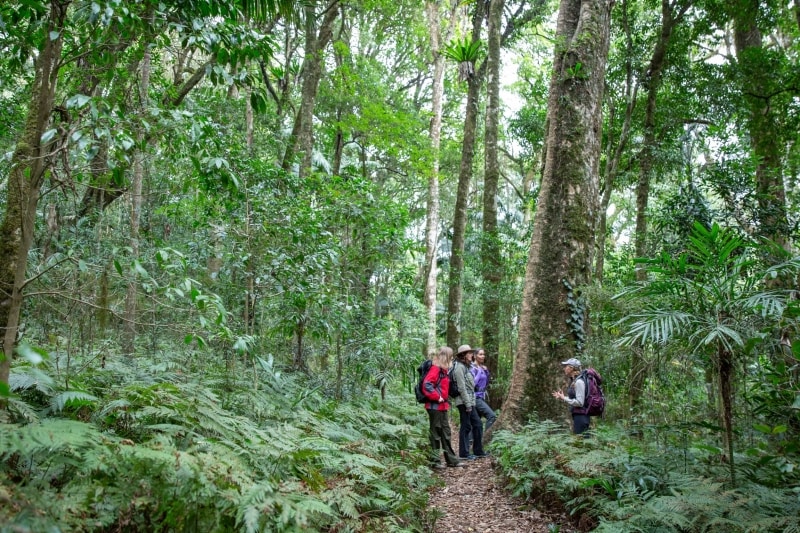
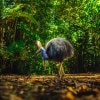
Hiding in the dense vegetation of the world’s oldest tropical rainforest are some of Australia’s most elusive bird species. Top of the twitching tick list in Queensland’s Daintree Rainforest are great-billed heron, southern cassowary, little kingfisher and pied monarch. FNQ Nature Tours offers a walk through the rainforest and mangroves of Cape Tribulation and a dawn boat cruise along the Daintree River to spot as many rainforest residents as possible.
Watch waddling penguins


Watch waddling penguins
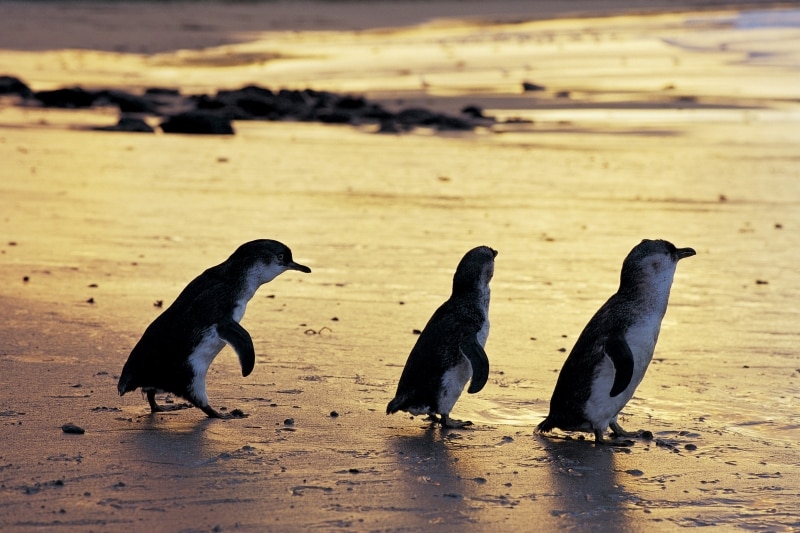
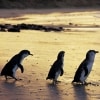
The world’s largest colony of the smallest species of penguins is located on the shorelines of Phillip Island. Each evening, travellers can join Phillip Island Nature Parks to watch a parade of penguins march from the ocean back to their burrows to feed their chicks. The experience is accessible for travellers with limited mobility or neurodiversity. Summer also marks the arrival of the short-tailed shearwaters who fly in from Alaska and keep an eye out for the pink legs of Cape Barren geese.
See sand island nesters


See sand island nesters
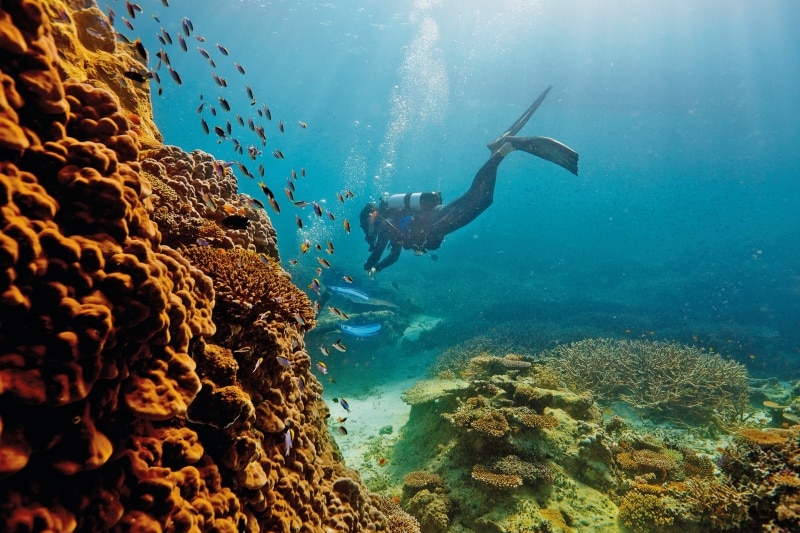
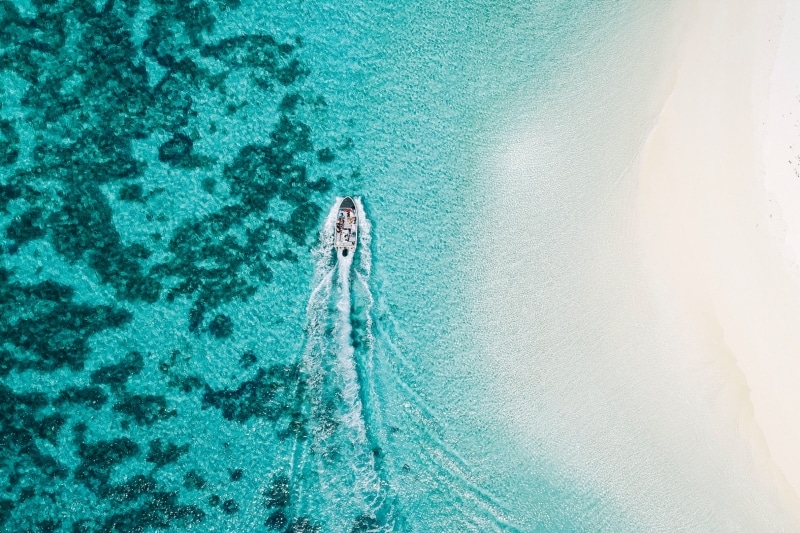
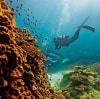
Off the coast of Cairns lies a small sandy island called Michaelmas Cay. On this pristine stretch in the middle of the Great Barrier Reef, is a slice of vegetation that attracts many seabirds looking to breed and nest. Silver gulls, common and black noddies, brown boobies and several species of terns all frequent the tropical island, putting on a multi-species show. Seastar Cruises runs birdwatching tours year-round, departing from Cairns.
Seek endangered breeds


Seek endangered breeds
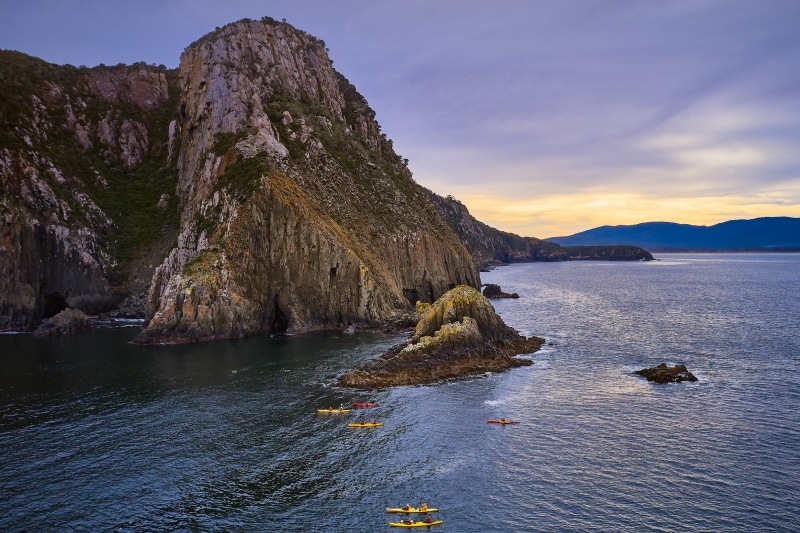
All of Tasmania's 12 endemic birds can be spotted in the awe-inspiring wilds of Bruny Island. There are the Tasmanian native hen, green rosella, dusky robin and yellow-throated honeyeater. Lucky twitchers might also spy the critically endangered forty-spotted pardalote, the swift parrot and the Tasmanian wedge-tailed eagle. Expertly guided tours through Inala Nature Reserve in the island’s south offer a unique opportunity to glimpse up to 95 species of Bruny’s birds.

Explore a habitat haven


Explore a habitat haven
Kangaroo Island, just off the coast of South Australia, is a wildlife hotspot and absolute haven for birdlife. The mix of habitats, from coastal cliffs to eucalypt forests, helps house over 260 species of birds. Twitching highlights include the glossy black cockatoo, the raucous yellow-tailed black cockatoos and impressive hunters, the white-bellied sea eagles and eastern ospreys. Exceptional Kangaroo Island’s birding tours are run by skilled locals who know where to spot each species.

Witness a mating spectacle


Witness a mating spectacle
Off the coast of Western Australia lies a string of 122 islands known as Abrolhos Islands, where over two million birds from 35 different species choose to breed. These mammoth numbers make the Abrolhos one of the most important seabird breeding locations in Australia. September and October mark the breeding season, with Eco Abrolhos Cruises running multi-day trips, departing from Geraldton.
.
Attend bird week


Attend bird week
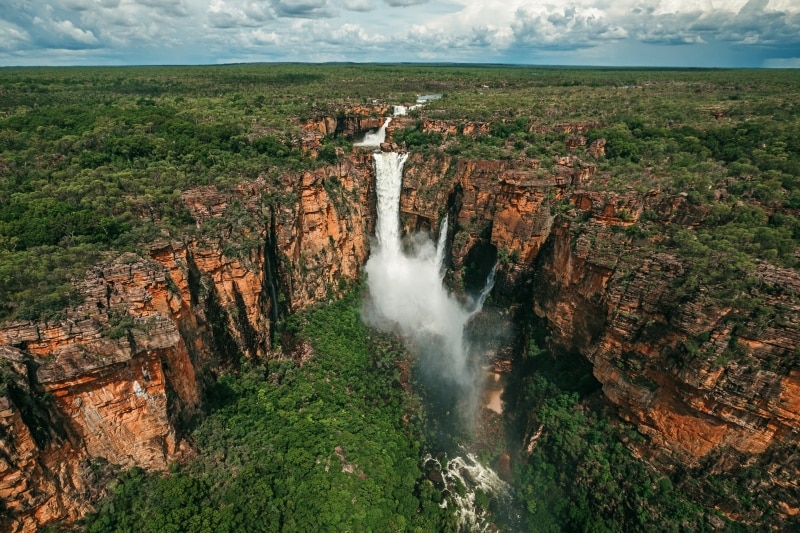
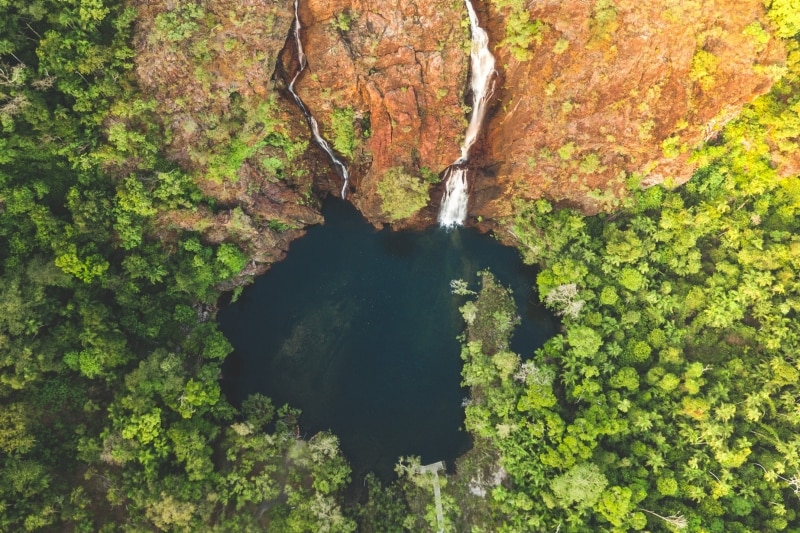
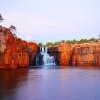
Not only is Kakadu National Park home to one third of Australia’s entire bird species count, but every year it hosts Kakadu Bird Week. Landing in late September to early October to coincide with the mass migration of birds during the dry season, Bird Week is a festival of tours, lectures, photography workshops and more. The stars of the show are the thousands of magpie geese flocking to watering holes. Brolgas, egrets and blue-winged kookaburras are also Kakadu highlights that can be spotted year-round.
Hear a rare birdsong


Hear a rare birdsong
Amid the east coast's Gondwana Rainforest sits the lush Lamington National Park. It’s here that many rare and threatened species of trees, frogs and birds make their home. In the thick of the action is O’Reilly’s Rainforest Retreat, where you can catch a Birds of Prey Show with kites, eagles and owls, and take a Morning Bird Walk to spy birds in their nearby habitats. Rare but prized sightings include Albert's lyrebird, eastern bristlebird or Coxen's fig parrot.

Watch waterbirds nesting


Watch waterbirds nesting
Tidbinbilla Nature Reserve, 40-minutes south of Canberra is a magnificent slice of Aussie wilderness, where a vast system of wetlands meets temperature grasslands and snow gum woodlands. Flitting about the foliage are over 160 bird species including the eastern yellow robins, superb lyrebirds and yellow-tailed black cockatoos. There are 24 marked trails to explore within the reserve, two of which are wheelchair accessible, and ranger-guided tours detailing the wetlands and its waterbirds.