








































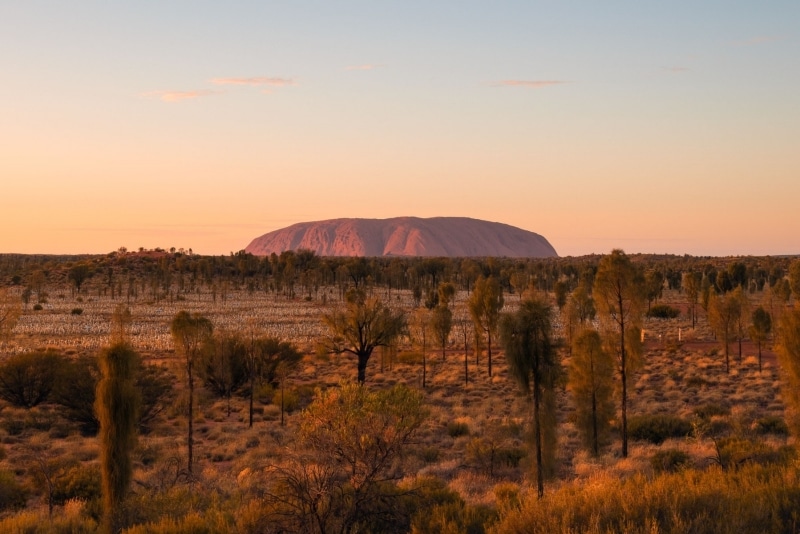





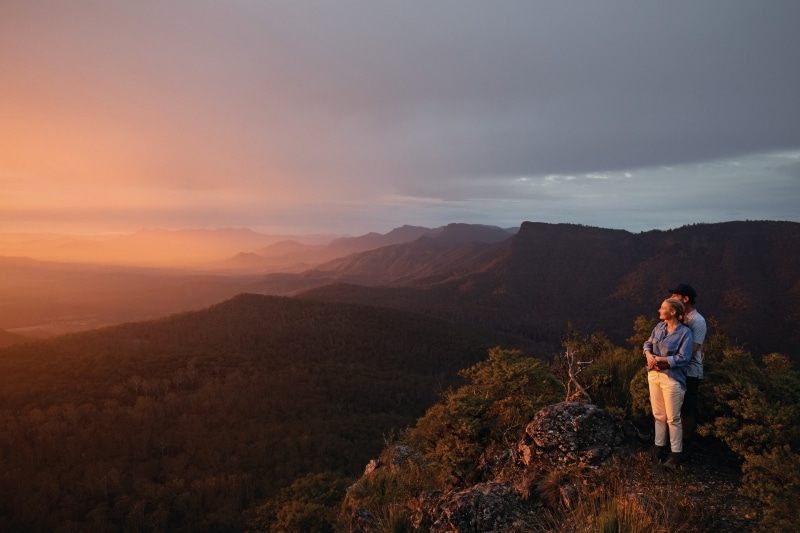













































A couple standing in front of Uluru and the Field of Light during sunset in the Northern Territory © Tourism NT/The Salty Travellers

Field of Light, Uluru, Northern Territory © Tourism NT/The Salty Travellers


Day 1: An introduction to Uluru

Whether it’s the vivid red dirt, spiritual presence or the sheer sight of giant rock formations, Uluru-Kata Tjuta National Park leaves a lasting impression on those who visit. Here are just a few of Uluru’s incredible cultural experiences.

Day 2: Explore more of Uluru

Today is all about different perspectives, from Uluru’s enchanting sunrise to cultural hikes and hair-raising motorbike journeys. Take your pick of these unique experiences around Uluru.

Day 3: Discover Kata Tjuta

It’s time to feast your eyes on the many heads of the wondrous Kata Tjuta. After a one-hour drive through the red desert, arrive at the 500 million-year-old towering rock domes.

Frequently Asked Questions

To get to Uluru and Kata Tjuta, you'll first fly into a major Australian hub such as Sydney, Melbourne or Brisbane. From there, you can hop on a domestic flight to Ayers Rock/Connellan Airport, which is the closest airport to both Uluru and Kata Tjuta.

To get to Uluru and Kata Tjuta from the United Kingdom, you’ll typically fly via a major hub such as Dubai, Doha or Singapore, continuing on to an Australian city like Sydney or Melbourne. From there, you’ll hop on a domestic flight to Ayers Rock/Connellan Airport.

 To get to Uluru and Kata Tjuta from China, you can fly directly into Australian cities like Sydney or Melbourne, or connect via hubs such as Singapore or Hong Kong. From there, you’ll take a domestic flight to Ayers Rock/Connellan Airport.

There are several accommodation options to choose from around Uluru, depending on your travel style. Ayers Rock Resort offers everything from camping and apartment-style rooms to more luxurious stays. Overlooking the mighty monolith and conveniently located near Uluru-Kata Tjuta National Park, the resort is a great base for exploring, with easy access to experiences like sunrise and sunset viewing, guided walks and evening events such as Field of Light.

Getting around Uluru and Kata Tjuta is easy, and part of the experience is choosing the style of travel that best suits how you’d like to explore the Red Centre. Once you arrive in the Ayers Rock Resort area, you’ll have access to a complimentary shuttle bus service, which makes it simple to move between accommodation, dining precincts, and nearby attractions such as the Uluru Camel Farm.

To reach Uluru-Kata Tjuta National Park, it’s only about a 20-minute drive from the resort. From here, you can either self-drive in a rental car or join one of the many guided tours that depart daily. 

If you want to explore at your own pace, hiring a car is a great option. You’ll find major providers such as Avis and Hertz at both the resort and Ayers Rock Airport, with convenient pick-up and drop-off options. 

Alternatively, guided tours are a wonderful way to experience this special part of Australia. They include transport while offering valuable insights into the natural environment and cultural significance of this sacred site. 

Regardless of which option you choose, it’s important to note that all visitors aged 18 and over require a valid park pass to enter Uluru-Kata Tjuta National Park. These can be easily purchased online in advance through the Park’s website, helping ensure a smooth and stress-free arrival.

For most travellers, the cooler months from April to September are ideal for visiting Uluru and Kata Tjuṯa. During this period, the days are pleasantly warm and the nights are crisp, making it comfortable for exploring the vast desert landscape of Uluru-Kata Tjuta National Park. Walking trails around both Uluru and Kata Tjuta are most enjoyable without the summer heat, and it’s also the best time for longer walks such as the Valley of the Winds.

While you can visit during the summer months from October to March, it’s important to be prepared for higher temperatures, often exceeding 35°C, along with increased humidity and the chance of afternoon thunderstorms. You’ll find that activities are typically scheduled early in the morning or later in the afternoon to avoid the midday heat.

There are a few important things worth knowing before visiting Uluru that can really help you make the most of your time in this special place. First, all visitors to Uluru-Kata Tjuta National Park need to purchase a park pass before entering. This applies to anyone aged 18 and over, and it’s best to buy it online in advance through the Parks Australia website so you can head straight in when you arrive.

It’s also important to remember that Uluru and Kata Tjuta are deeply sacred to the Anangu people, the Traditional Owners of the land. Visitors are encouraged to respect cultural guidelines, including not climbing Uluru (which is now permanently closed to climbers), and to follow signage carefully around sensitive areas.

The desert environment can be extreme, so preparation is key. Bring plenty of water, sun protection and comfortable walking shoes, especially if you’re planning to explore trails around Kata Tjuta or the Uluru base walk.

Finally, distances are greater than you might expect, so it’s a good idea to plan your days in advance. Sunrise and sunset are particularly popular times to experience the changing colours of the landscape, and guided tours can also add valuable insight into the cultural and natural significance of the region.