




























Whitsundays, Queensland
Guide to the Whitsundays
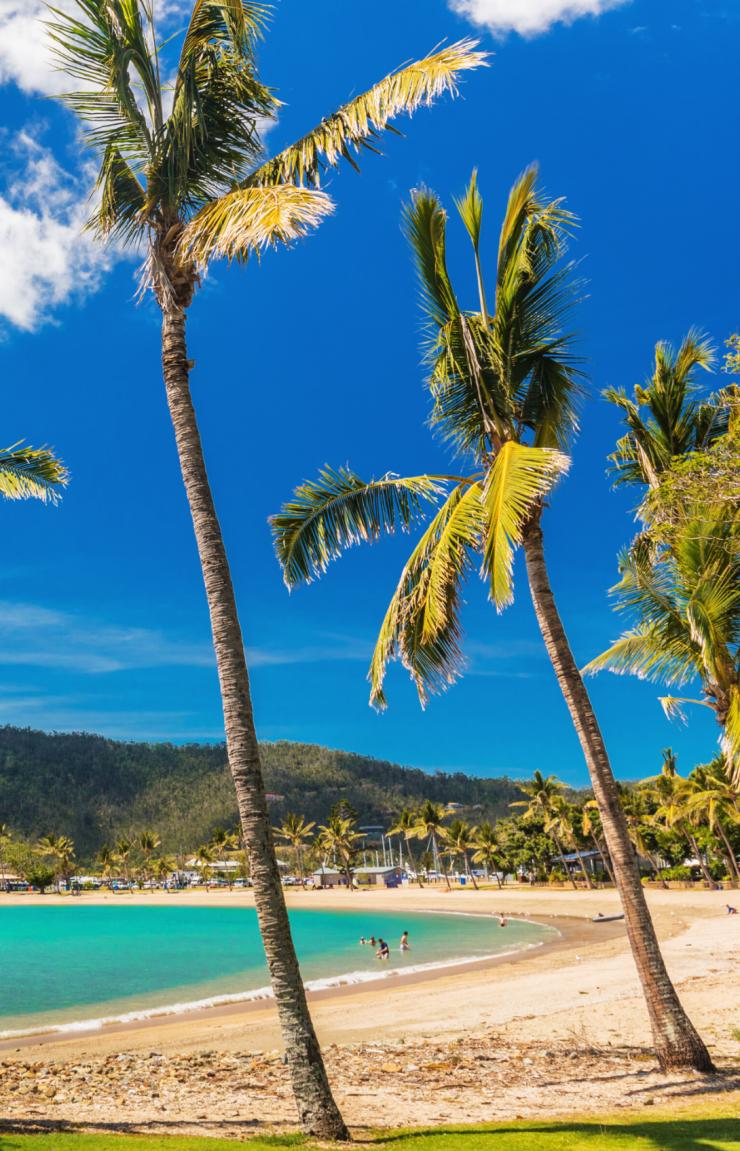
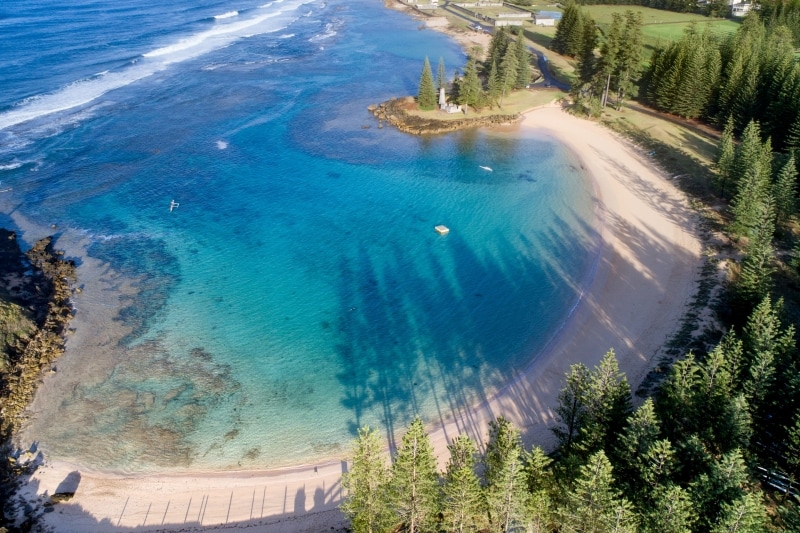
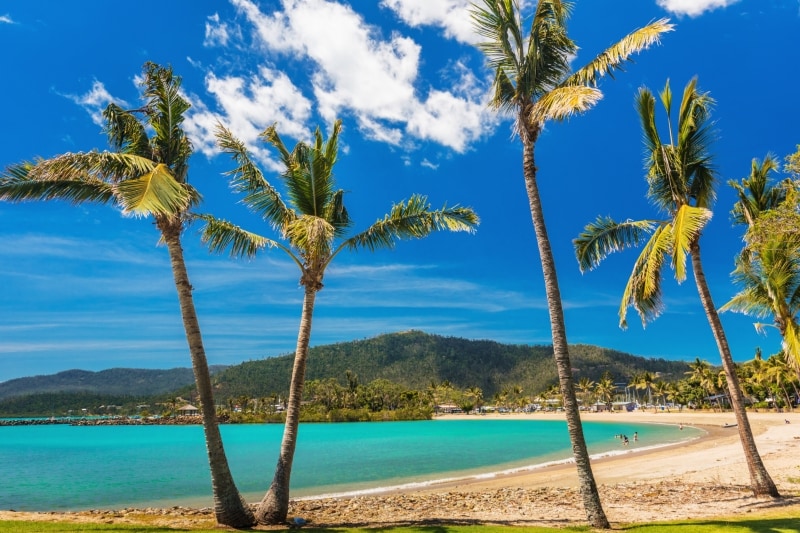
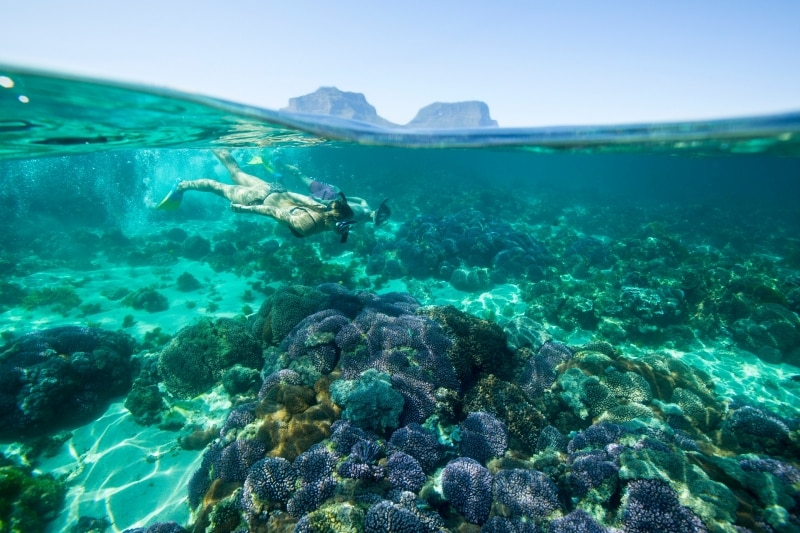
Sailing through blue waters, snorkelling above gardens of coral and coastal views more beautiful than a postcard – it’s all waiting for you in the Whitsundays region of the Great Barrier Reef.
The Whitsundays at a glance: Top experiences
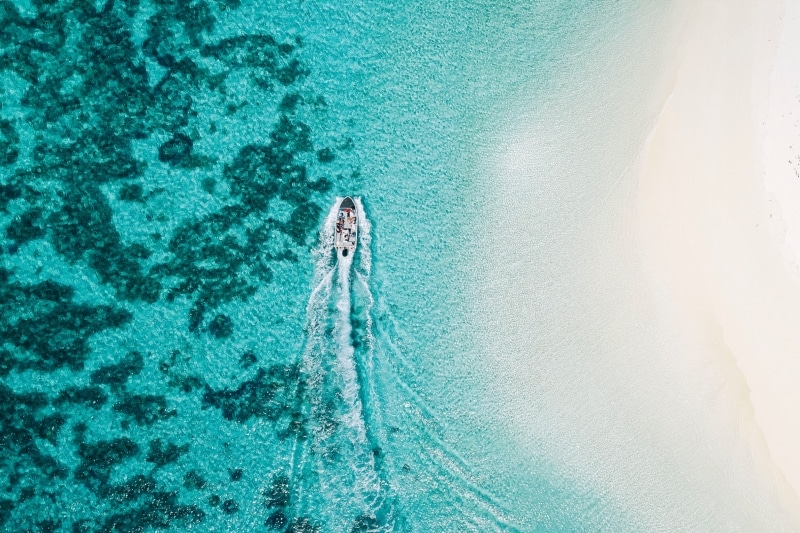
- Boat charters: Cruise through the turquoise waters of the Whitsundays on your own chartered catamaran or sailboat (often called "bareboating").
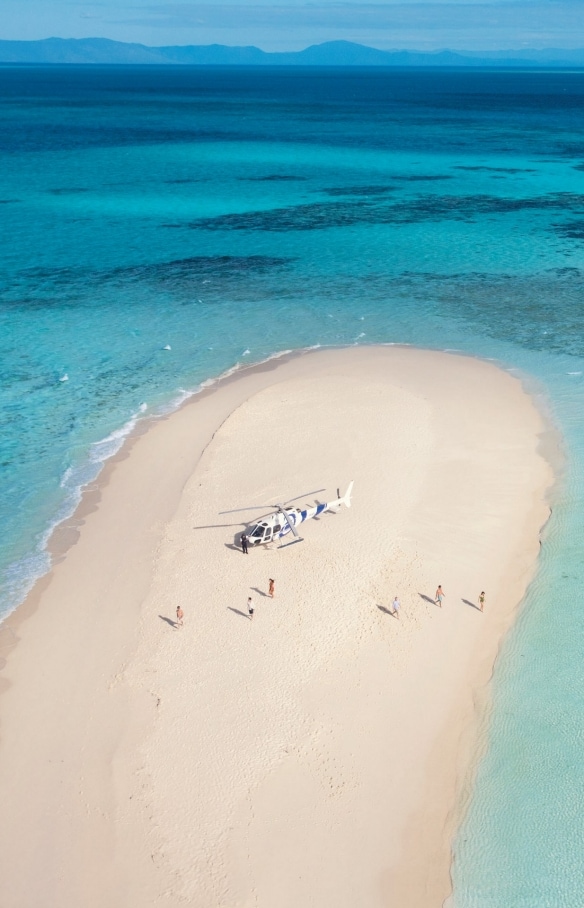
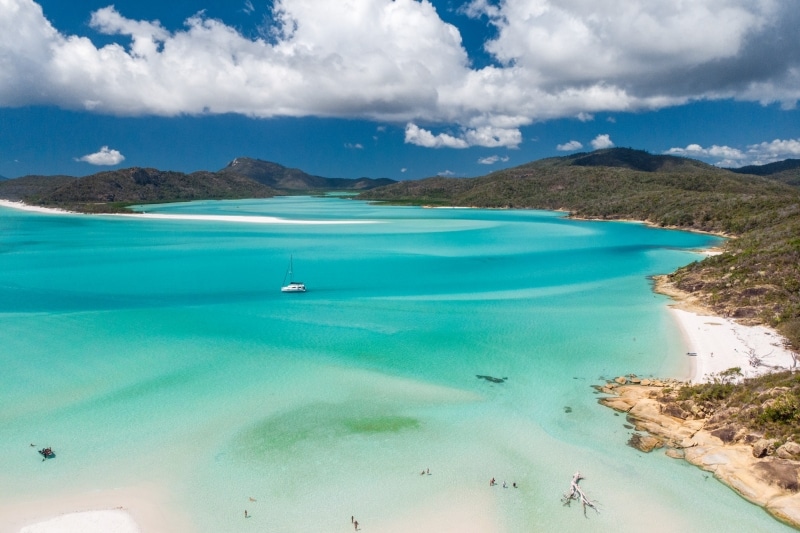
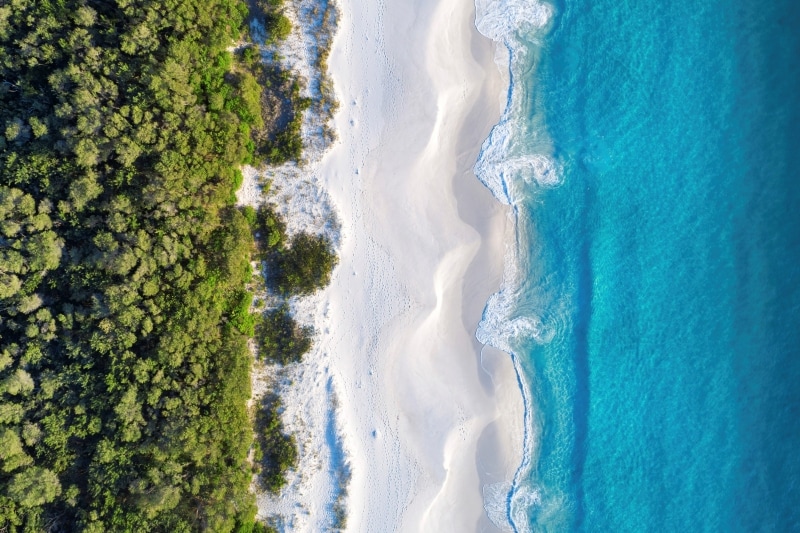
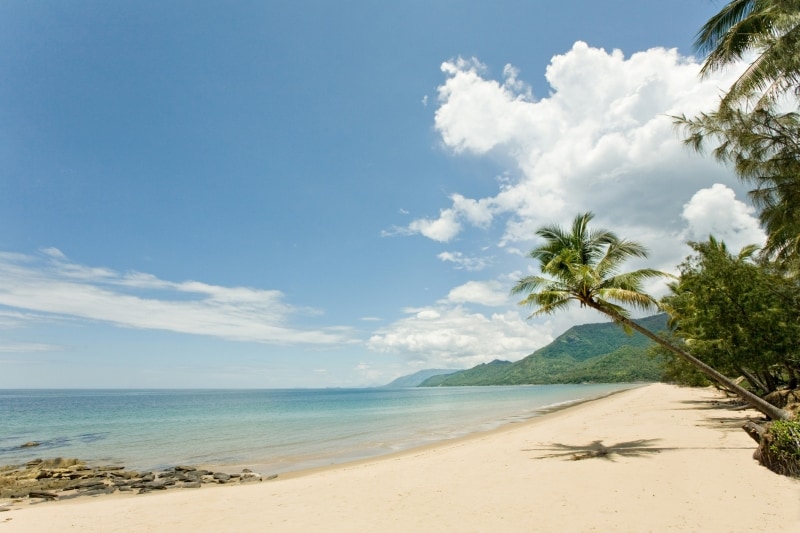
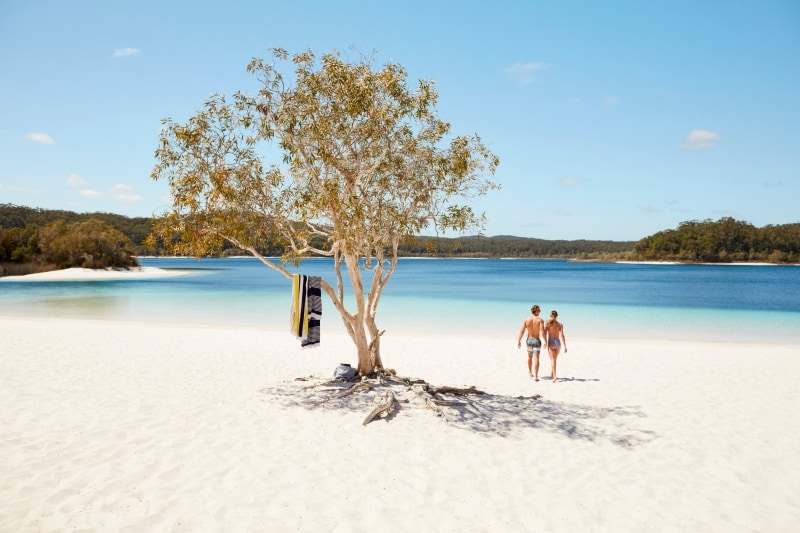
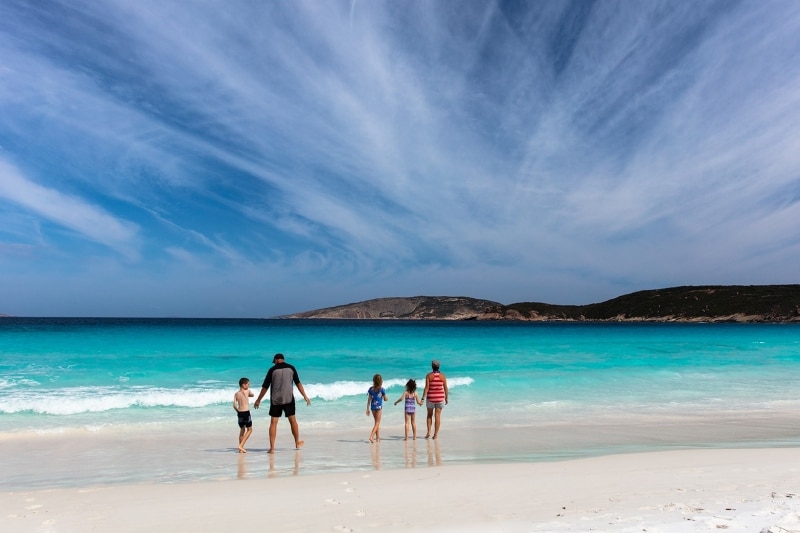
- Whitehaven Beach: Marvel at the impossibly white sand of world-famous Whitehaven Beach.
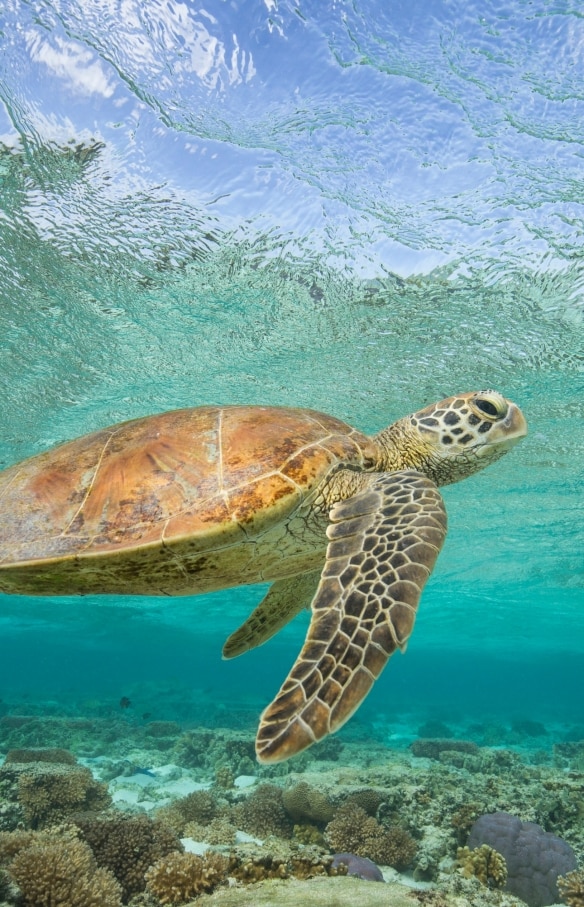
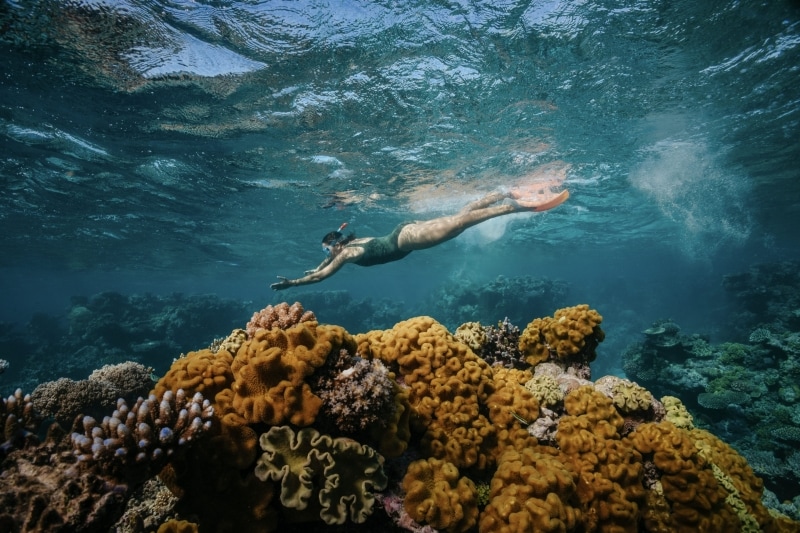
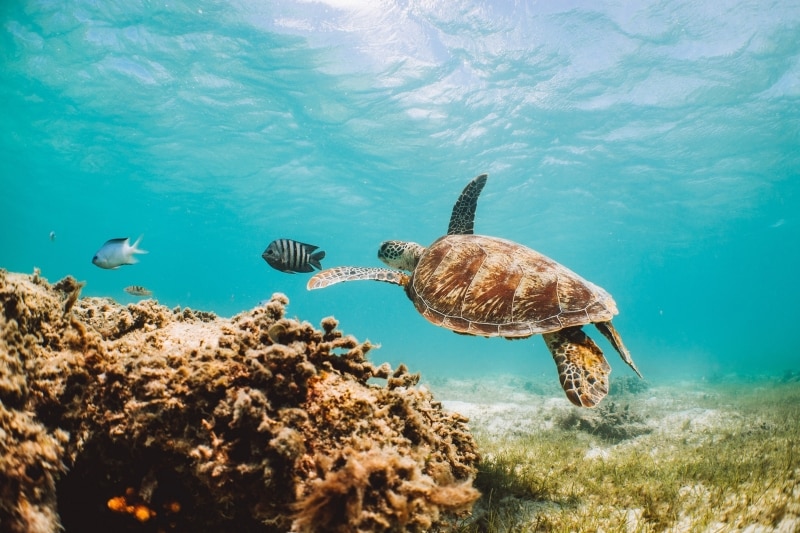
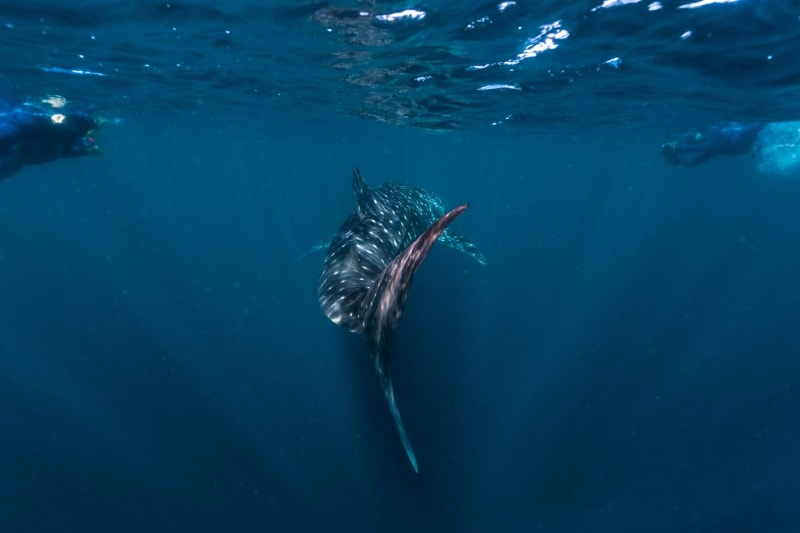
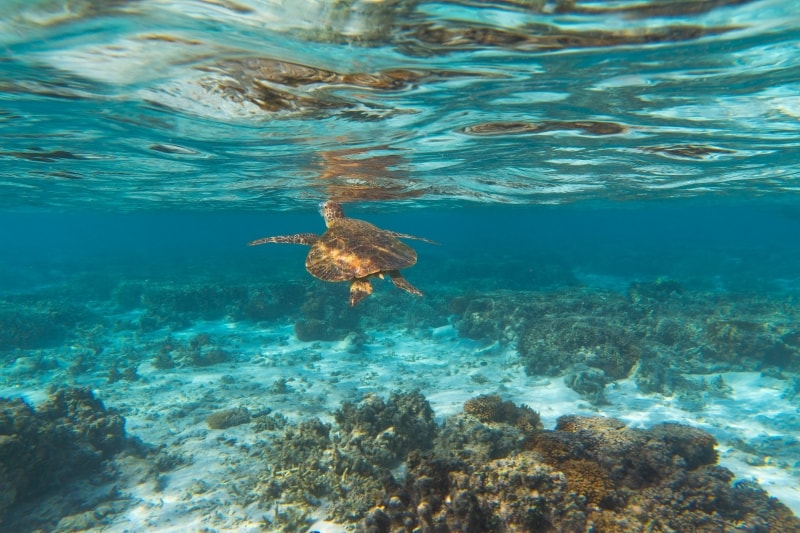
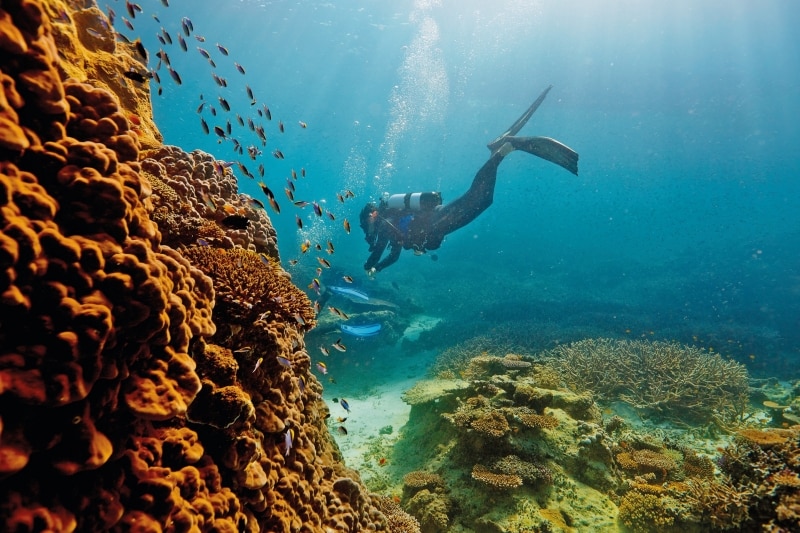
- Underwater adventures: Get up close to coral gardens, turtles, fish and clams on a snorkelling or scuba diving tour.
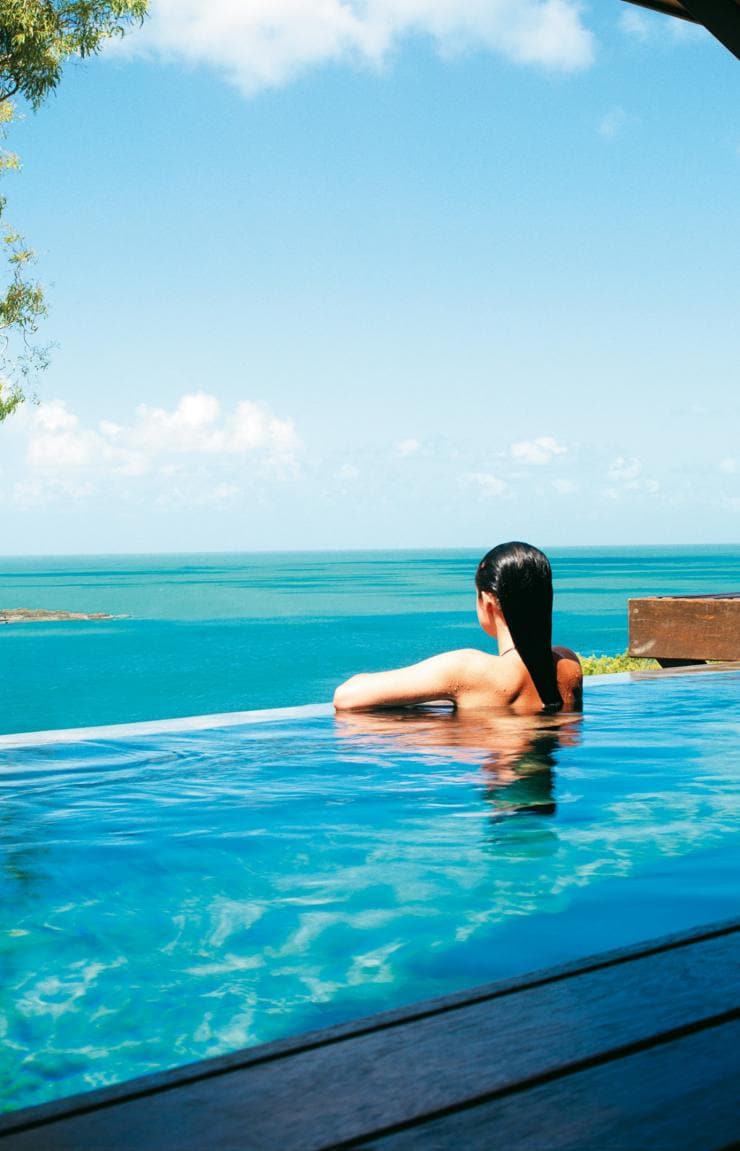
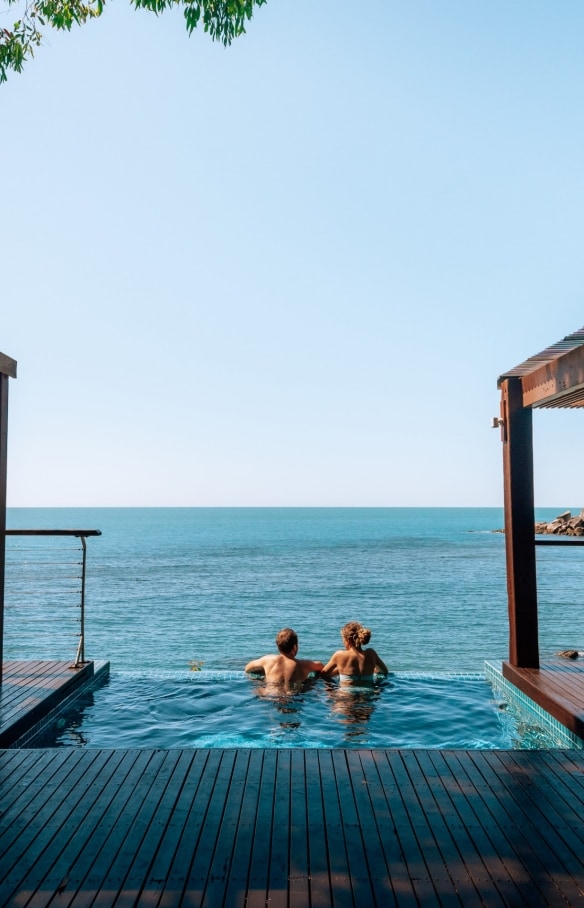
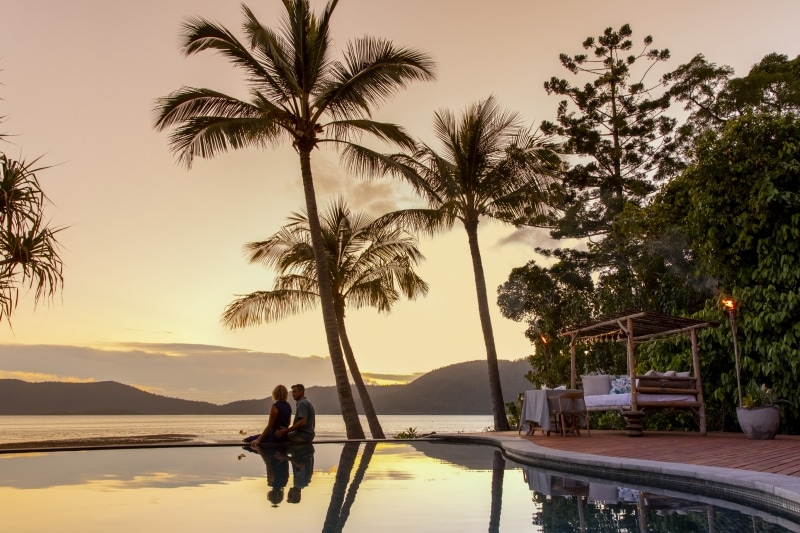
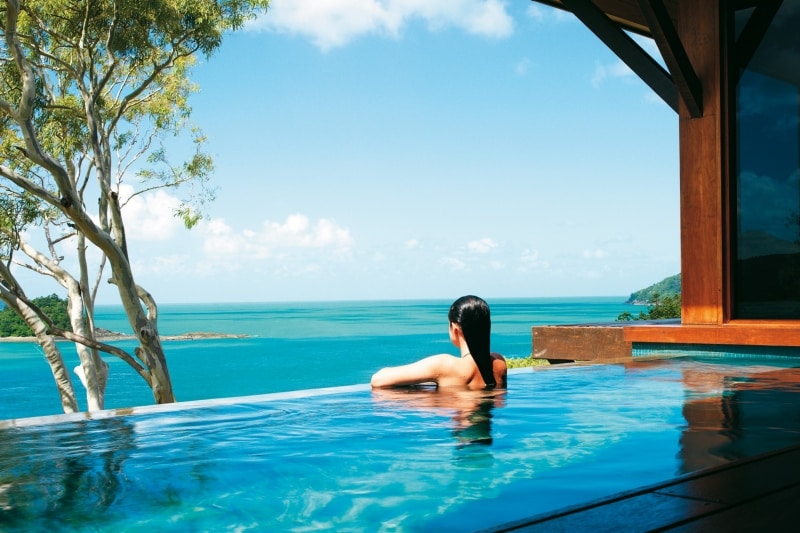
- Island getaways: Explore tropical islands – like Hayman Island and Daydream Island – that bring together luxury, aquatic adventure and stunning scenery.
- Heart Reef: Take a helicopter ride to a heart-shaped reef surrounded by clear, blue waters.
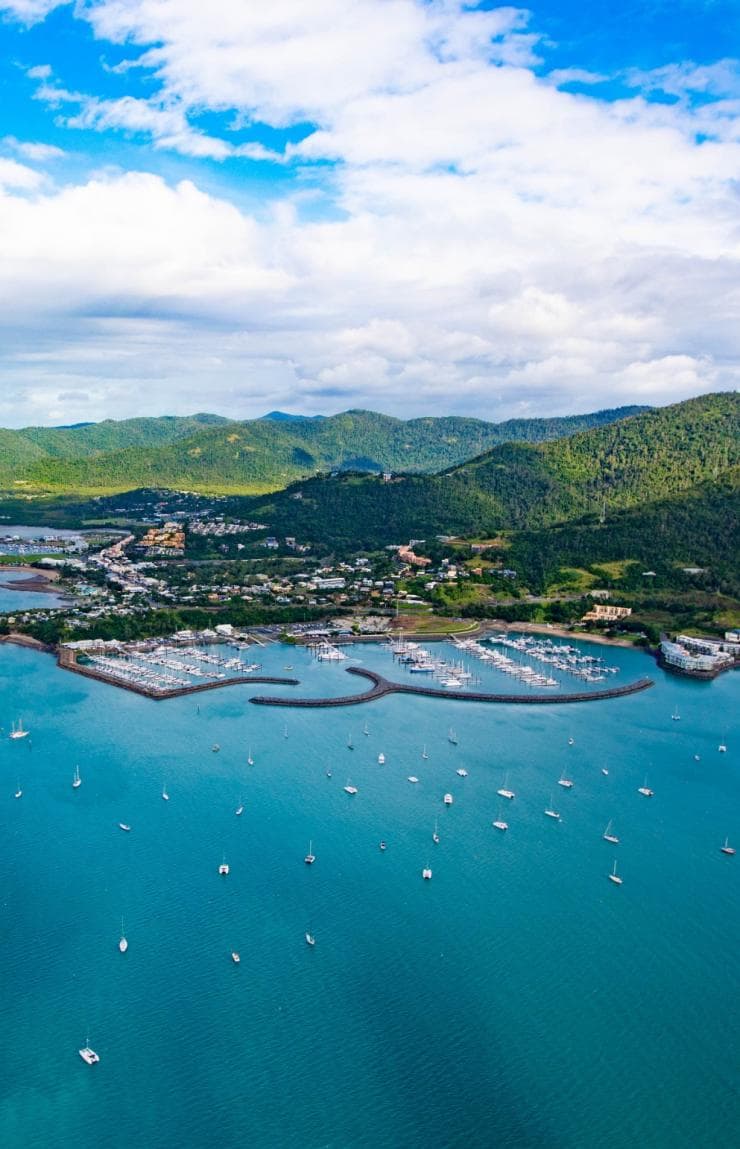
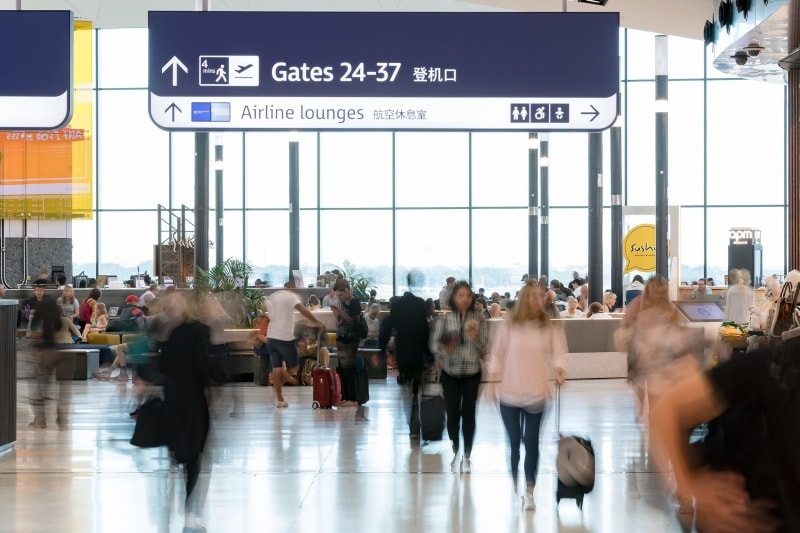
You can get to the Whitsundays via two airports; Hamilton Island Airport (HTI) is located on Hamilton Island and Whitsundays Coast Airport (PPP) is located about 25 minutes from Airlie Beach on the mainland.
- Whitsundays Coast Airport (PPP) services direct flights from Melbourne, Sydney, Brisbane, Cairns, Toowoomba and the Sunshine Coast
- Hamilton Island Airport (HTI) services direct flights from Sydney, Melbourne and Brisbane, so it’s easy to connect your international flight with a flight to one of the Whitsunday airports
- Car hire is available at Whitsundays Coast Airport
On the mainland, hire car is the easiest way to get around, but there are a few options for moving between the mainland and islands, and between the different islands. Take a transfer, go bareboating (skippering your own boat) or join a range of single-day and multi-day cruises.
The Whitsundays boasts mild temperatures and about 300 days of sun each year.
Spring is when the Whitsundays really show off with consistently sunny weather, low humidity and perfect conditions for swimming, snorkelling and diving. The wet season is characterised by tropical showers, which are usually brief.
- High season: Spring (September to November)
- Low season: Wet season (January to March)
- Don’t miss: During winter (June to August) you can witness pods of humpback whales as they arrive to give birth, socialise and mate