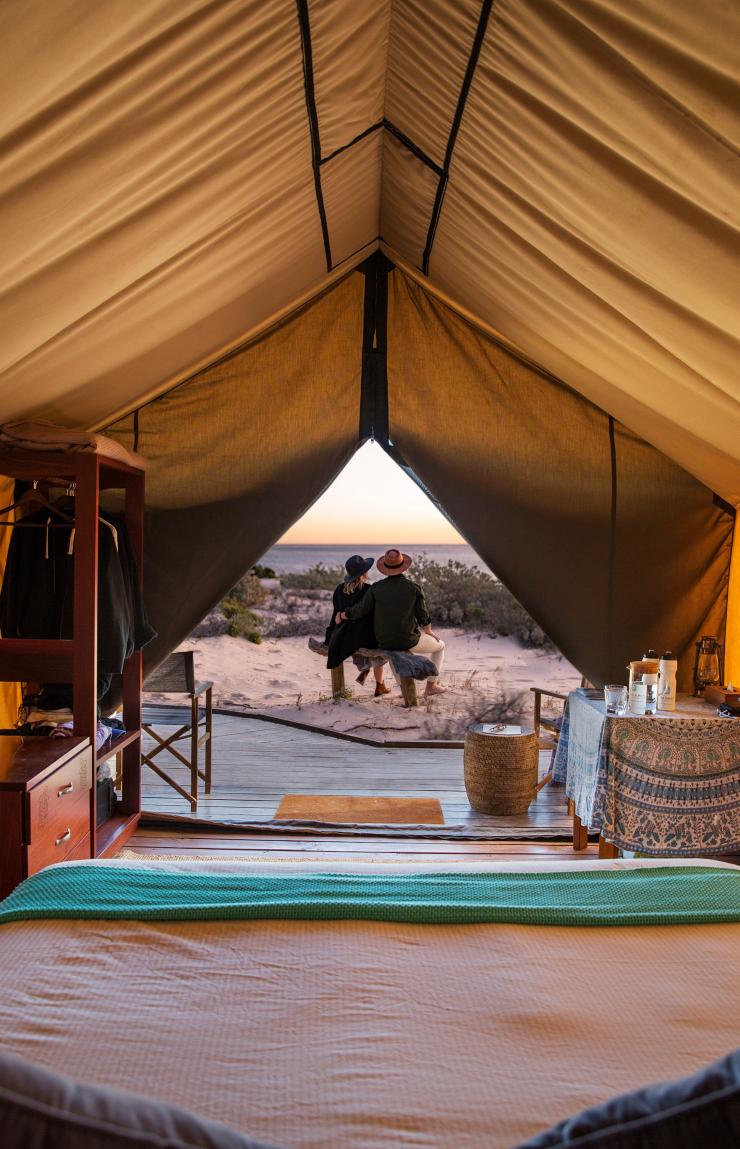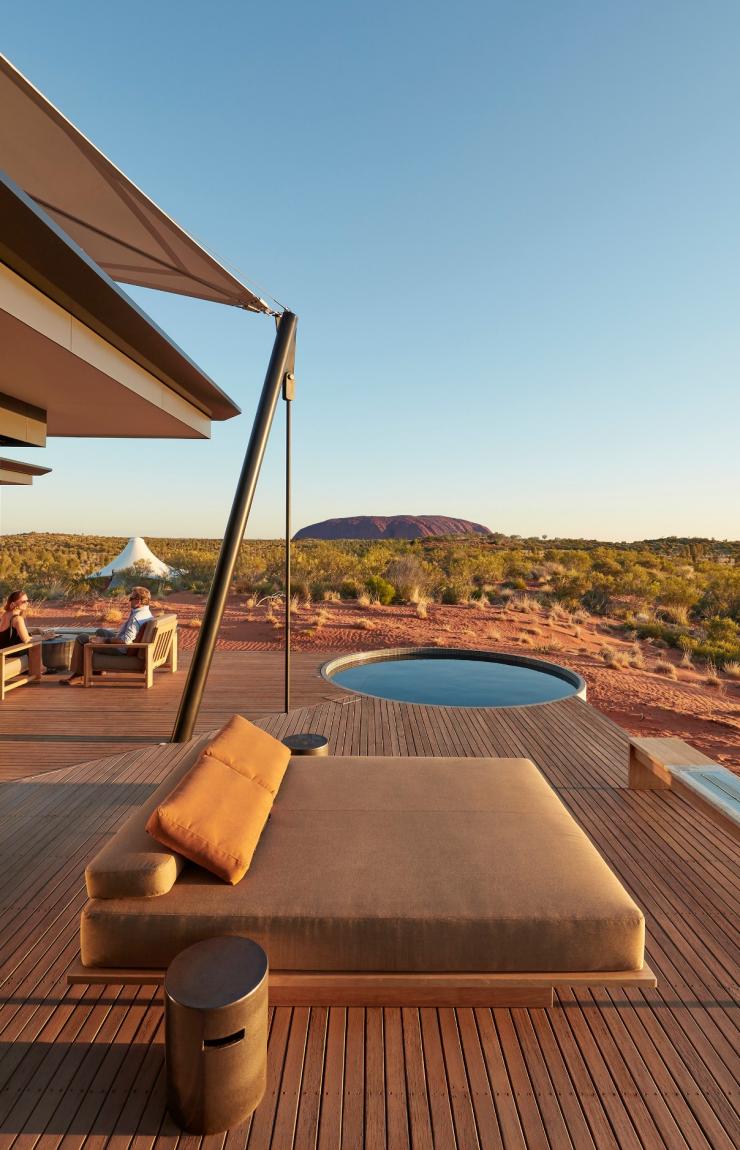











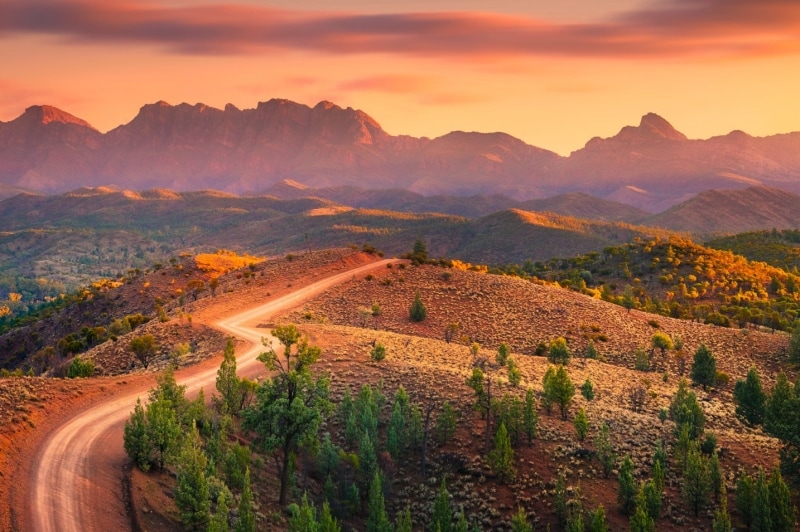













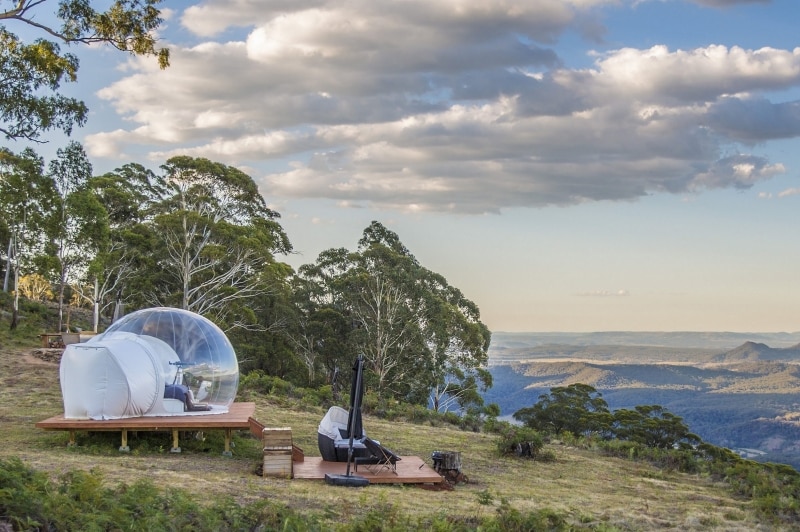
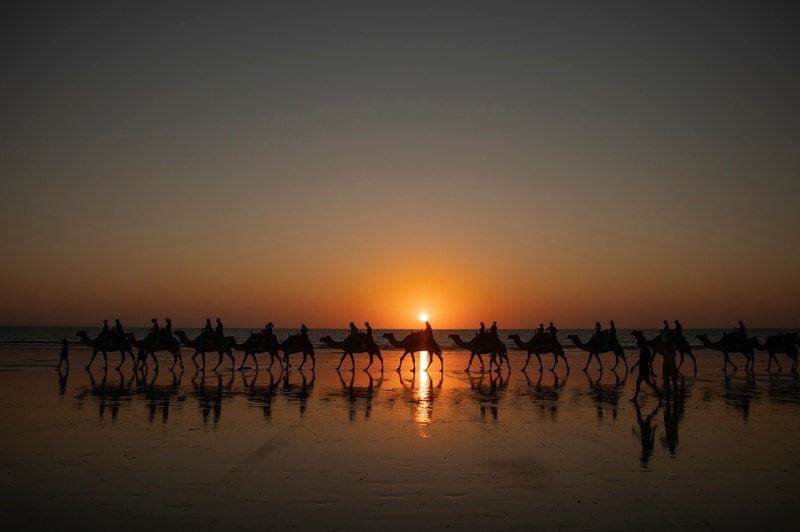
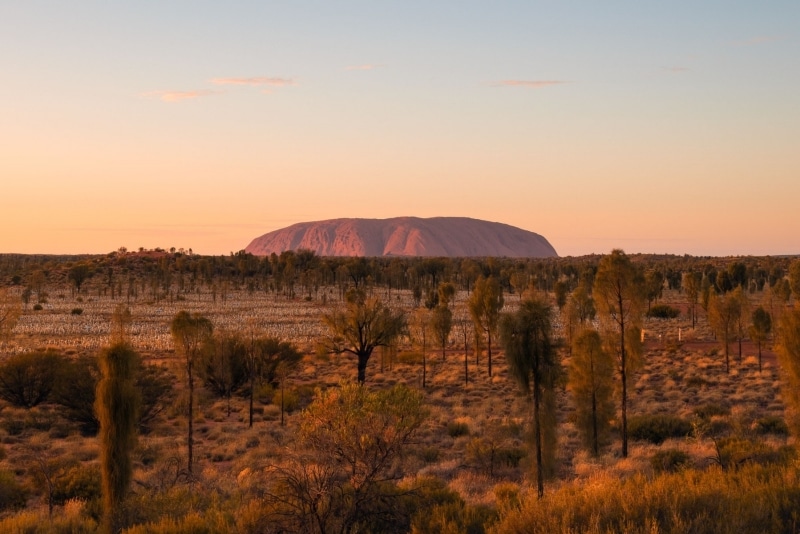
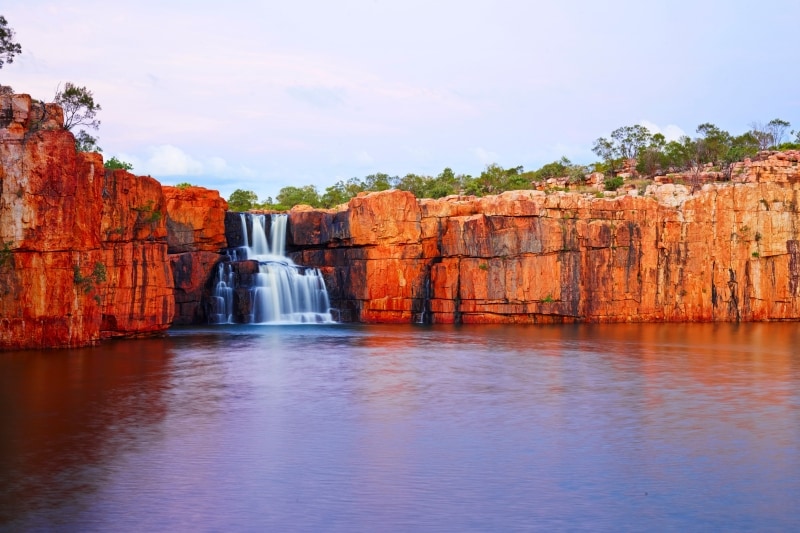

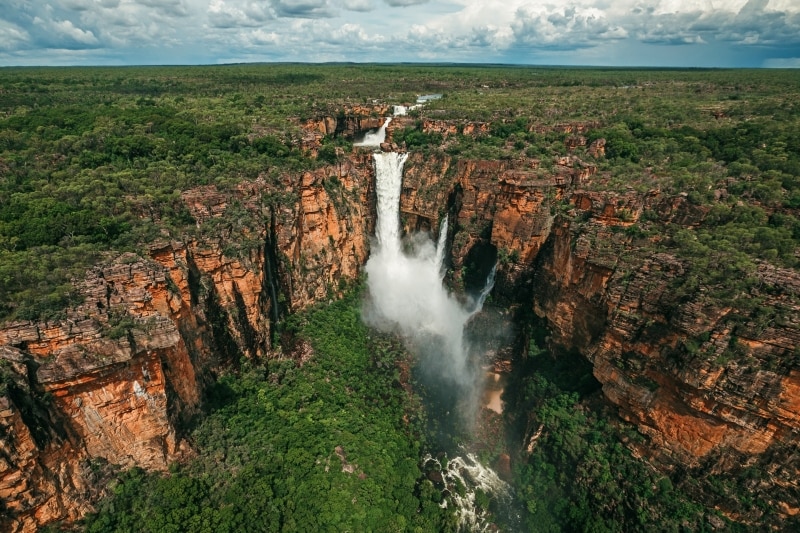






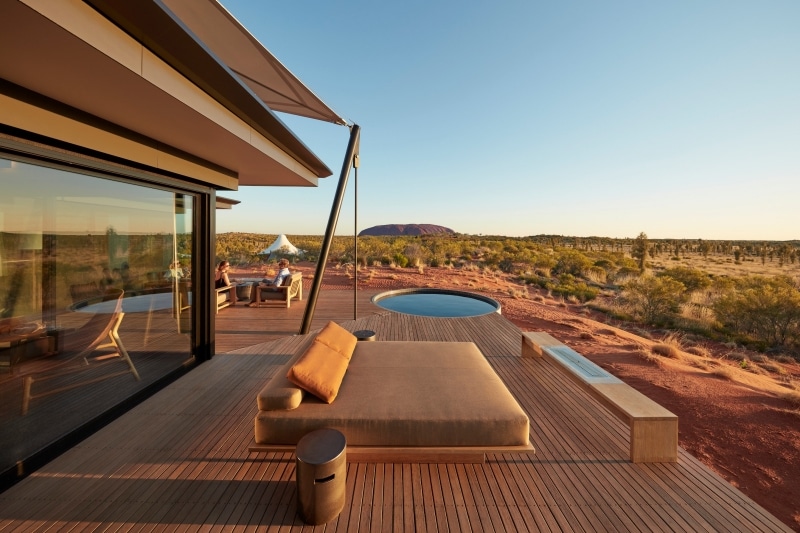






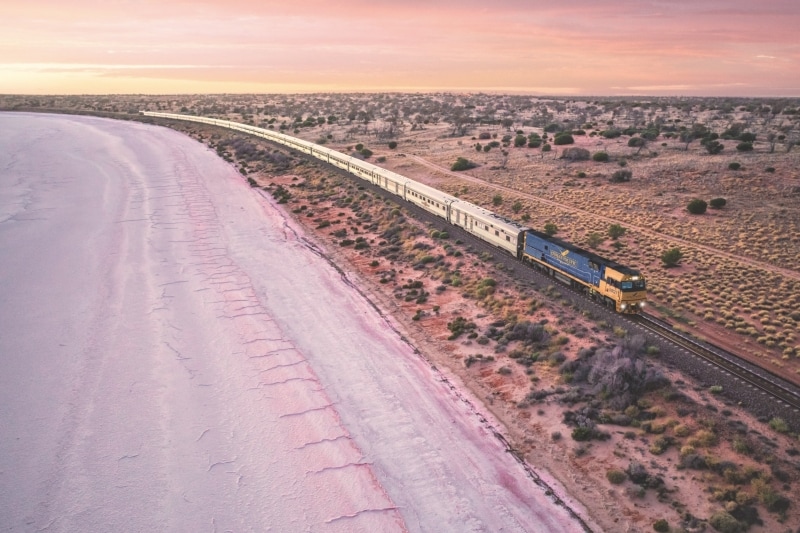
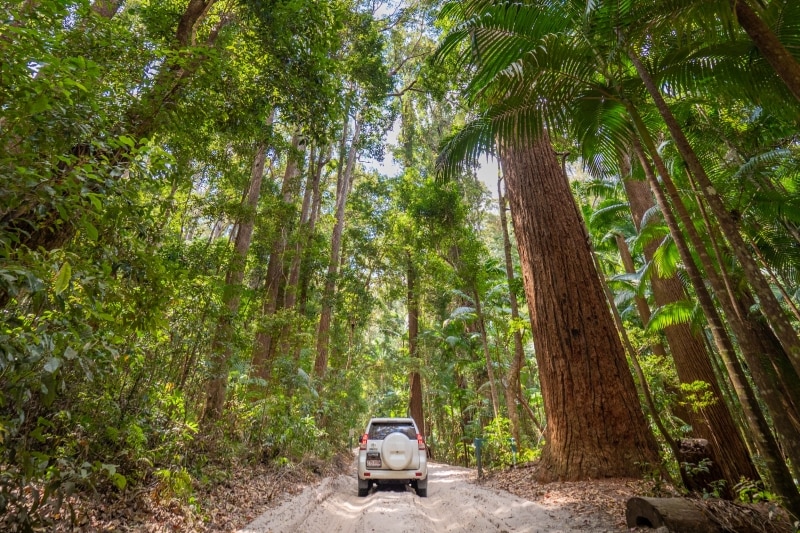
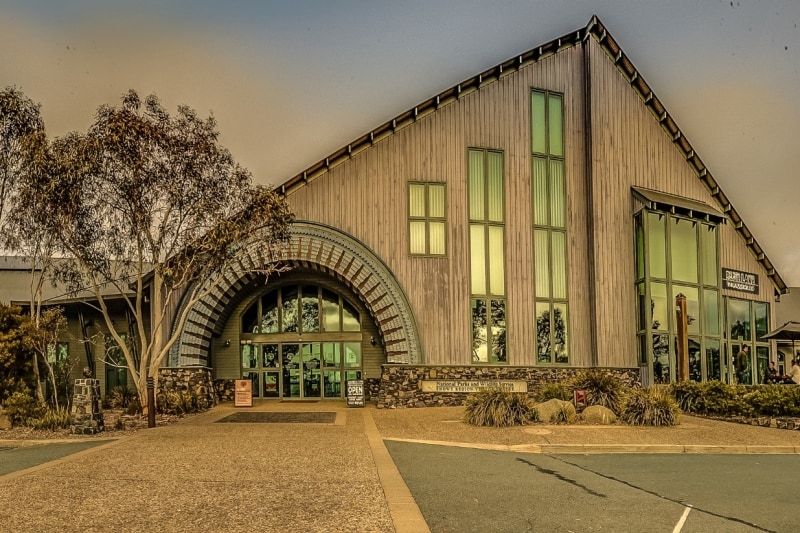













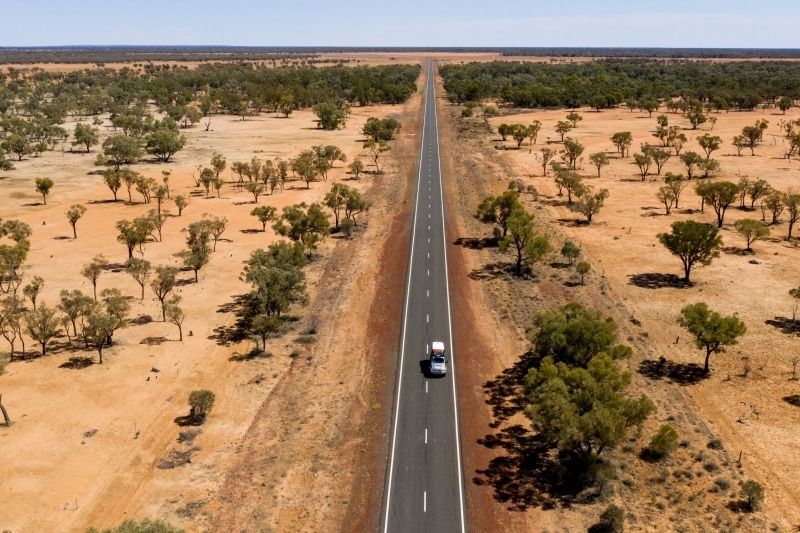

Rangelands Outback Camp, Outback Queensland, Queensland © Tourism Australia
Guide to Outback Queensland
Welcome to Outback Queensland - where dinosaur trails meet ancient cultures, and your next adventure is just down the dusty red road.
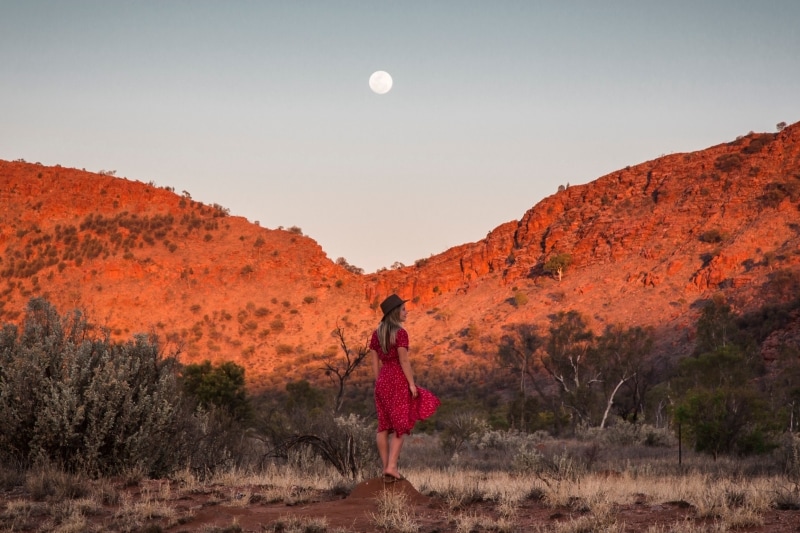
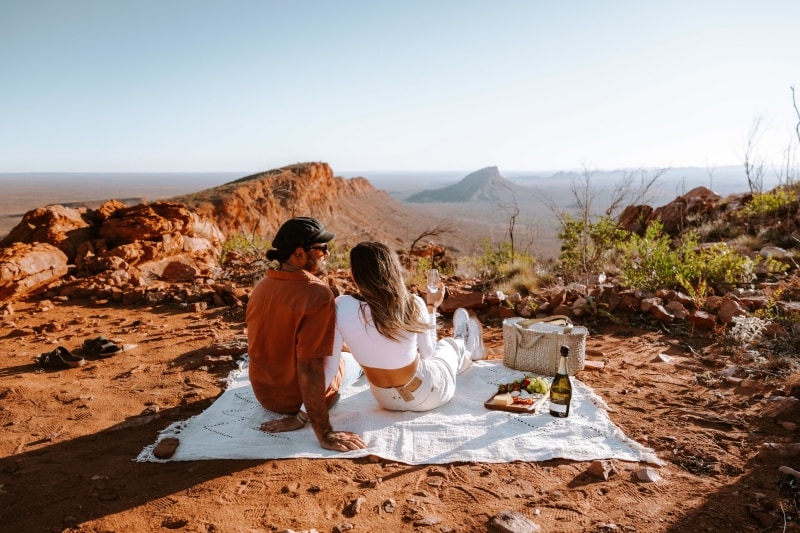
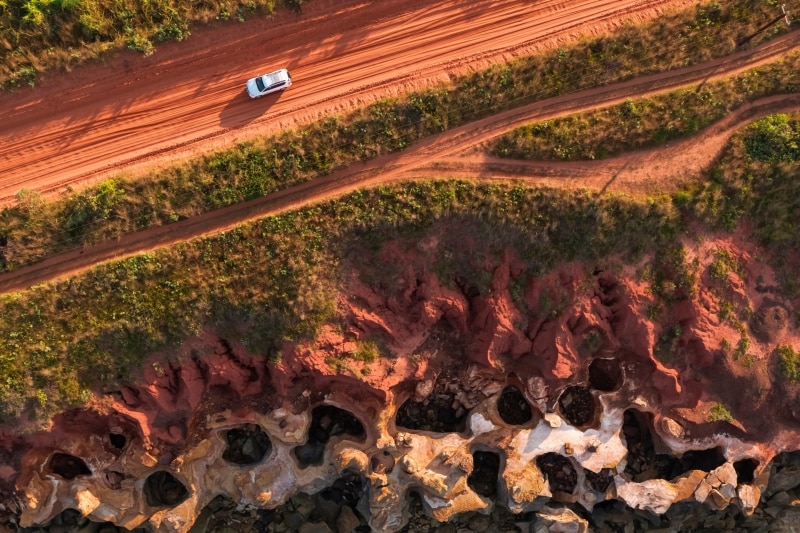
Outback Queensland is a place that feels (and looks) like nowhere else - big sky, red dirt and a whole lot of adventure. Covering more than 65% of Queensland, this enormous stretch of ancient Country is alive with stories. It’s where 95-million-year-old dinosaur bones lie, where proud First Nations cultures endure, where bush poetry thrives and where a legendary outback pub has been pouring beers for nearly 150 years.
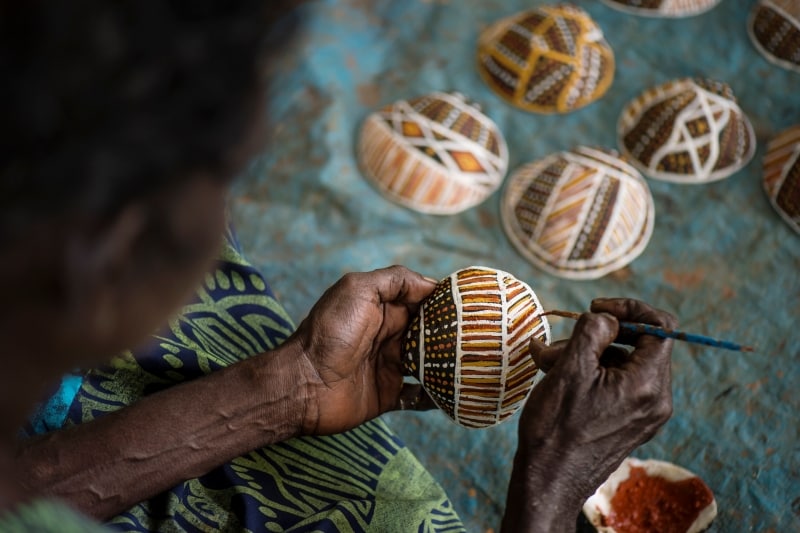
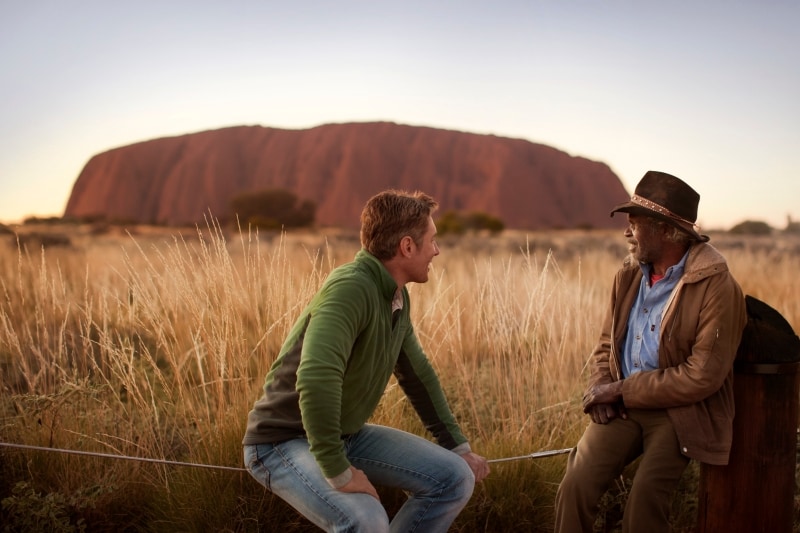
Outback Queensland spans the Country of many First Nations peoples including the Kalkadoon people, the Wangkangurru-Yarluyandi people, and the Guwamu/Kooma people. For tens of thousands of years, the Traditional Custodians have shaped and cared for every landscape and waterway you encounter here.
The best way to reach the rugged beauty of Outback Queensland is by flying into a regional town and hiring a car.
- Longreach Airport (LRE) is in the heart of the region with direct domestic flights from Brisbane and Townsville.
- Mount Isa Airport (ISA) is the largest airport in the region offering direct daily services from Brisbane and Townsville, as well as scheduled flights from Cairns, Cloncurry and Julia Creek.
- Charleville Airport (CTL) offers non-stop services from Brisbane and Roma.
- Birdsville Aerodrome (BVI) is serviced twice weekly by Rex Airlines on a ‘milk run’ from Brisbane. This is one of Australia’s most remote domestic services.
- Car hire is available from Mount Isa, Longreach and Charleville airports.
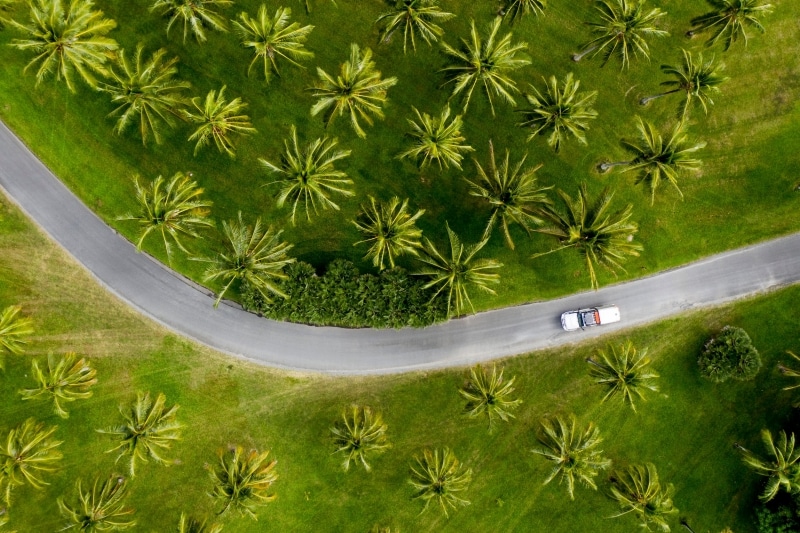
The riches of a trip through Outback Queensland are bountiful — travel through rolling red landscapes and storied country towns at your own pace. Most major highways are sealed and well signposted, and destinations cater to campers and caravanners, making planning your road trip nice and simple.
Some stretches (like Lark Quarry Conservation Park, Birdsville Track and the Simpson Desert) have unsealed roads. It’s best to check conditions before you set out and consider hiring a 4WD if wanting to venture off the beaten track.
The best time to visit Outback Queensland is during the cooler, drier months of April to September. Days are mild and perfect for outdoor adventures, while nights are crisp and filled with bright stars. This is also when local social calendars buzz with agricultural events, music festivals and bush poetry readings.
Despite the cooler weather, the outback sun is strong year-round. Be sure to pack a broad-brimmed hat, sunscreen and sturdy closed-toe shoes. Layers are also recommended for the colder nights and frosty early mornings.
- High season: Spring, Winter, Autumn (April to September)
- Low season: Summer (November to March), with the December to February wet season making some outback roads impassable.
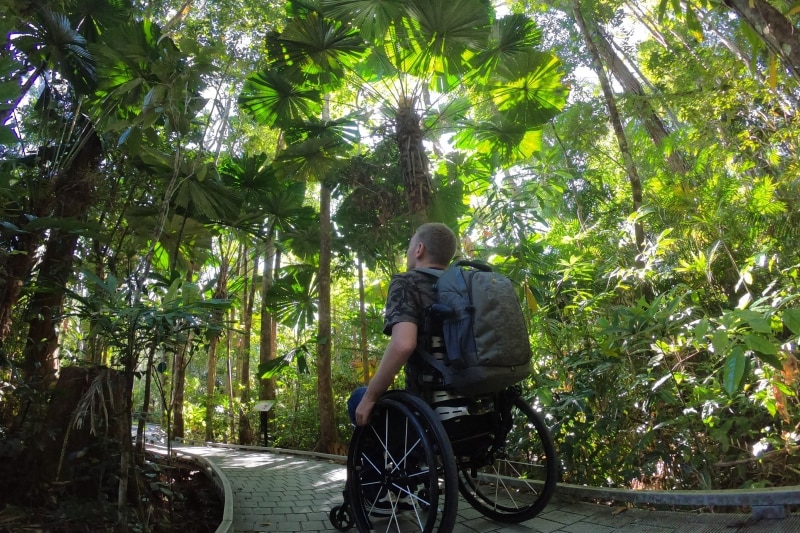
Outback Queensland offers an expanding list of attractions, facilities, tour operators and accommodation that can be enjoyed by all travellers.
- Arrival: Services and designated access for people with disabilities are available at Mount Isa and Longreach airports.
- Getting around: Always check with individual tour operators and car hire companies prior to booking, as access conditions can vary across the region.
- Accessible experience highlights: The Australian pastime of bush poetry is celebrated at the Waltzing Matilda Centre, with full mobility access, while country hospitality is top of the menu at Saltbush Retreat. Book the dedicated wheelchair accessible room in the Homestead Stables.
- Helpful resources: Contact the Outback Queensland Tourism Association to learn more about the accessible accommodation, tours and attractions in the region.